
Legislative Update: Florida Considering Criminal Penalties for Condominium Election Fraud

The Florida Legislature is looking to combat condominium election and voting fraud during the 2020 Regular Legislative Session. In 2017, a Miami-Dade County Grand Jury found that election fraud was a major problem for condominium residents and recommended criminal penalties for those engaging in fraudulent activity. This year, Florida lawmakers appear to be taking the Grand Jury’s advice.

Separate bills filed in Florida’s Senate and House of Representatives would make it a third-degree felony to:

  • willfully and falsely swear or affirm any oath or affirmation in connection with voting or elections, or willfully procure another person to do so;
  • aid, perpetrate or attempt to perpetrate any fraud in connection with the casting of votes;
  • fraudulently change or attempt to change a ballot, ballot envelope, vote or voting certificate to prevent an elector from voting as intended;
  • directly or indirectly use bribery, menace, threat or any other corruption to attempt to influence, deceive or deter any elector in voting;
  • directly or indirectly give or promise anything of value to buy votes or to corruptly influence voting (This does not apply to food served at election rallies or meetings or election advertising items of nominal value, including a campaign message designed to be worn by a person.); or
  • directly or indirectly use or threaten to use force, violence or other tactics of coercion or intimidation to induce, compel or dissuade voters.

It would also be third-degree felony to:

  • knowingly aid, abet or advise a person in the commission of election fraud;
  • agree or conspire with another person to commit election fraud; or
  • knowingly aid another to avoid or escape detection, arrest, trial or punishment for election fraud.

Florida’s 60-day Regular Legislative Session ends March 13, 2020. Until then, these bills may be amended or rejected. Whether they ultimately pass into law remains to be seen.

Setnor Byer Insurance & Risk offers condominium associations access to various risk management tools and services, such as Setnor Byer’s Risk Management Group, Unit Owners’ Electronic Report Line and Florida Division-Approved New Board Member Education Certification online training.

When Can Condominium Associations Enter Abandoned Units?

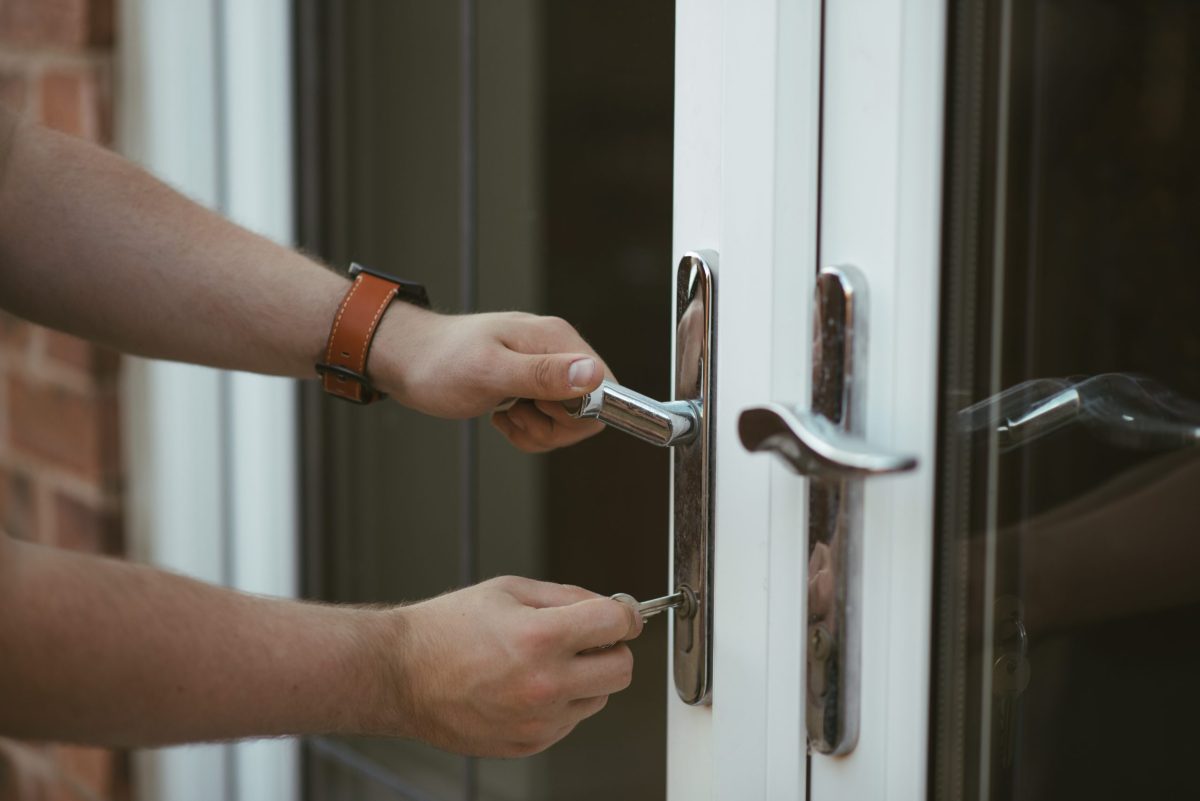
Abandoned units can be a big problem for condominium associations. What if an abandoned unit has a water leak, mold or faulty wiring? Fortunately, Florida’s Condominium Act provides associations with a powerful solution. Regardless of any authority provided in the condominium documents (declaration, bylaws, etc.), the association board may, in its sole discretion, enter abandoned units to:

Except in cases of emergency, an association must wait two days after giving the owner written or electronic notice of its intent to enter the unit. Unless the owner provides written notice to the contrary, a unit is presumed to be abandoned if:

  • the unit is in foreclosure and appears to have been vacant for at least 4 continuous weeks; or
  • the unit appears to have been vacant for 2 consecutive months and the association is unable to contact or locate the owner after reasonable inquiry.

Any expenses incurred by the association can be charged to the unit owner and collected using the association’s lien authority. Associations can also request a court-appointed receiver to lease abandoned units and use the rental income to offset the costs and expenses of maintaining, preserving and protecting the unit and the adjoining common elements.

The right to enter abandoned units is broad, but not unlimited. Condominium associations should consult with licensed professionals to ensure compliance with Florida’s statutory requirements.

Setnor Byer Insurance & Risk offers condominium associations access to various risk management services, such as Setnor Byer’s Risk Management Group, Unit Owners’ Electronic Report Line and Florida Division-Approved New Board Member Education Certification online training.

Does Florida’s New Website Requirement Apply to Your Condo Association?

Are you ready for http://www.InsertYourCondoHere.com? Thanks to a recent statutory amendment, if your condominium association has 150 or more units, you need to start getting ready.

By July 1, 2018, condo associations with 150 or more units are required to post digital copies of various documents on websites that are accessible through the Internet. This means that associations that don’t have a website have less than a year to get one.

Under the amended statute, which became effective on July 1, 2017, associations can operate their own independent website or web portal or use one operated by a third-party provider. Associations must use these websites to post current copies of various documents in digital format, including:

  • The recorded declaration of condominium, recorded bylaws and filed articles of incorporation (including amendments);
  • The association’s rules;
  • The annual budget and any proposed budget being considered at the annual meeting;
  • The required financial report and any proposed financial report being considered at a meeting;
  • Each director’s statutorily required written certification or Certificate of Completion of a division-approved educational curriculum;
  • Management agreements, leases or other contracts to which the association is a party or otherwise responsible (bid summaries must stay on the website for 1 year);
  • Contracts or transactions between the association and any directors or officers (or any entity in which a director or officer has a financial interest); and
  • Contracts or documents regarding directors with an actual or possible conflict of interest.

Notice of Meetings

Notice of any unit owner meeting and the agenda must be posted on the website at least 14 days before the meeting. Notices must be posted in plain view on the front page of the website, or on a separate subpage labeled “Notices” that is conspicuously visible and linked from the front page.

Notice of any board member meetings, the agenda and any other required documentation must also be posted on the website no later than the date required by law for such notice.

Secure Pages

An association’s website must contain secure or protected pages that are only accessible to unit owners and association employees. Usernames and passwords must be provided upon request. However, confidential information (privileged attorney communications, social security numbers, personnel and medical records, etc.) cannot be posted on the website. Documents containing any protected or restricted information must be redacted accordingly before being posted online.

The likelihood of mistakes goes up substantially whenever associations are adapting to something new. Board members must proceed cautiously when implementing this new statutory requirement to ensure compliance and avoid unintentional violations.

Setnor Byer Insurance & Risk is available to discuss ways to identify, manage and insure the risks facing condominium associations and their board members.

Clients of Setnor Byer’s Condominium Insurance Programs enjoy access to various risk management services, such as Setnor Byer’s Risk Management Group, Unit Owners’ Report Line, and our New Board Member Education Certification training, which has been approved by the Division of Florida Condominiums, Timeshares, and Mobile Homes.

To receive regular updates about developments which may affect your association, subscribe to Setnor Byer Insurance & Risk’s weekly risk management news brief.