Florida condominiums preparing for initial structural integrity reserve study

By Anita Byer, Setnor Byer Insurance & Risk

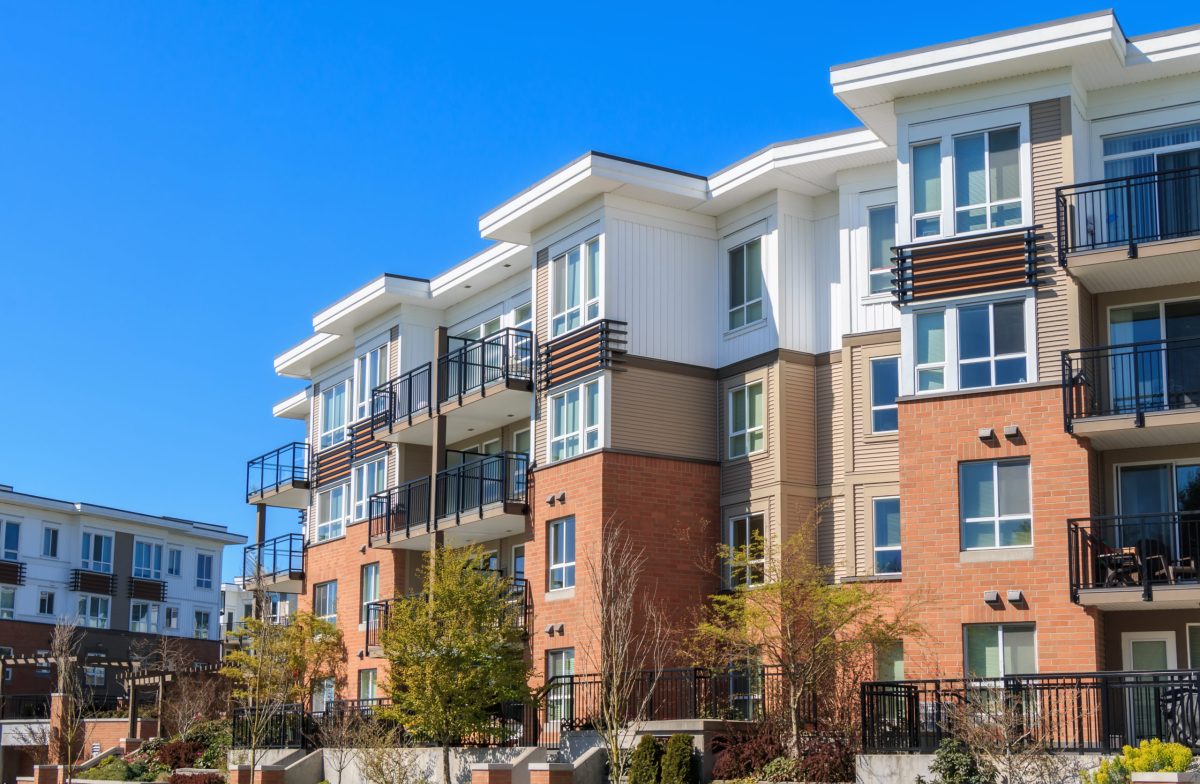
Florida condominium associations are now required to complete a structural integrity reserve study for buildings that are three or more stories high. This new requirement was enacted during a special legislative session in response to last year’s Champlain Towers collapse in Surfside, Florida. The hope is that structural integrity reserve studies, coupled with Florida’s new milestone inspection requirement, will ensure aging buildings remain safe for continued use.

Structural integrity reserve studies must be completed at least every 10 years for each building on the condominium property that is three or more stories high. The deadline for existing associations to complete their initial structural integrity reserve study is December 31, 2024. The failure to complete the study as required by law is considered a breach of the board’s fiduciary duty.

So, what exactly is a structural integrity reserve study? It’s a study of the reserve funds that will be needed for future major repairs and replacement of the common areas based on a visual inspection. The visual inspection portion of the study must be performed by a Florida-licensed engineer or architect and must:

  • identify the common areas being visually inspected;
  • state the estimated remaining useful life and the estimated replacement cost or deferred maintenance expense of the common areas being visually inspected; and
  • provide a recommended annual reserve amount that achieves the estimated replacement cost or deferred maintenance expense of each common area being visually inspected by the end of the estimated remaining useful life of each common area.

The study must include the following items as they relate to the structural integrity and safety of the building.

  • Roof, floor, windows and foundation
  • Load-bearing walls or other primary structural members
  • Fireproofing and fire protection systems
  • Plumbing and electrical systems
  • Waterproofing and exterior painting
  • Any other item that has a deferred maintenance expense or replacement cost that exceeds $10,000 and the failure to replace or maintain such item negatively affects any of the foregoing items, as determined by the licensed engineer or architect performing the visual inspection portion of the study.

The new law makes it difficult for associations to avoid their obligation to maintain the structural integrity of buildings that are three or more stories high. For example, developers must complete a study before control of the association can be turned over to unit owners. And, beginning December 31, 2024, unit-owner controlled associations will not be able to vote to use reserve funds that are allocated to structural integrity for any other purpose.

Since this is a new requirement, condominium associations are strongly encouraged to consult with licensed professionals to avoid unintentional violations. Board members should also review their association’s Directors and Officers (D&O) insurance policy to confirm sufficient coverage. Setnor Byer Insurance & Risk can help condominium associations and board members identify, manage and insure their unique risks. Please contact our team to discuss the various risk management services we provide our condominium association clients, including our Division-Approved New Board Member Education.

Legislative Update: Multiple Amendments to Florida’s Condominium Act Took Effect July 1st

By Anita Byer, Setnor Byer Insurance & Risk

Did you know that multiple changes to Florida’s Condominium Act went into effect July 1, 2021? As a result, board members have an obligation to find out if and how these new and amended laws may affect their condominium association and its operations. These changes may not be major or momentous, but they can be particularly significant to many, if not most associations. For condominium associations, this new legislation includes provisions that:

  • Reduce the time period an association must maintain official records of bids for work, equipment or services from seven years to one year after receipt of the bid.
  • Allow a renter to inspect and copy the declaration of condominium.
  • Permit associations with 150 or more units to make official records available for inspection through an application that can be downloaded to a mobile device.
  • Provide that only a board member’s service that occurs on or after July 1, 2018, may be used when calculating a board member’s term limit.
  • Permit associations to electronically transmit the written notice of a meeting.
  • Increase the maximum permissible fee an association may charge for the transfer of a unit from $100 to $150 (with adjustments every five years thereafter).
  • Remove the prohibition against an association employing or contracting with a service provider that is owned or operated by a board member or person who has a financial relationship with a board member or officer.
  • Permit unit owners to install charging stations for electric or natural gas fuel vehicles on a parking area exclusively designated for use by the unit owner. (Unit owners are responsible for the costs related to the installation, maintenance and removal of their charging stations.)
  • Authorize the association board to make available, install or operate an electric vehicle charging station or a natural gas fuel station upon the common elements or association property, and to establish the charges or the manner of payments for the unit owners, residents or guests who use the electric vehicle charging station or natural gas fuel station.

Board members should be reviewing all new condominium-specific legislation, as well as any other applicable statutory amendments, to ensure compliance. Depending on the circumstances, consultation with the association’s attorney may be necessary. Setnor Byer Insurance & Risk can help associations and board members identify, manage and insure their unique risks. Please contact our team to discuss the various risk management services we provide our condominium association clients, including our Unit Owner Report Line and Division-Approved New Board Member Education.

Florida Condominiums Must Now Provide Notice of Late Assessment to Collect Attorney’s Fees

Florida’s Condominium Act has a new notice requirement. This may come as welcome news to probably no board members, but it involves the collection of past due assessments, so it’s important. Beginning July 1, 2021, condominium associations may not demand or collect attorney’s fees related to a past due assessment without first delivering written notice to the unit owner. The notice must specify the amount owed, must give the unit owner an opportunity to pay without the assessment of attorney fees and must be in substantially the following form.

NOTICE OF LATE ASSESSMENT

RE:  Unit (____) of (name of association)

The following amounts are currently due on your account to (name of association), and must be paid within 30 days of the date of this letter. This letter shall serve as the association’s notice of its intent to proceed with further collection action against your property no sooner than 30 days of the date of this letter, unless you pay in full the amounts set forth below:

                Maintenance due (dates)             $_______

                Late fee, if applicable                   $_______

                Interest through (dates)*             $_______

                TOTAL OUTSTANDING                $_______

                * Interest accrues at the rate of _____ percent per annum.

This notice must be sent by first-class United States mail to the unit owner’s last known address as reflected in the association’s records. If such address is not the unit address, the notice must also be sent by first-class mail to the unit address. Notice is deemed to have been delivered upon mailing. A sworn affidavit attesting to such mailing provided by an association’s board member, officer, agent or licensed community association manager creates a rebuttable presumption of compliance with this new notice requirement.

Setnor Byer Insurance & Risk can help associations and board members identify, manage and insure their unique risks. Please contact our team to discuss the various risk management services we provide our condominium association clients, including our Unit Owner Report Line and Division-Approved New Board Member Education.

Condominium Governance: Navigating Florida’s New Emotional Support Animal Law

Florida’s new emotional support animal law makes it unlawful to discriminate in the provision of housing to a person with a disability or disability-related need for an emotional support animal. As of July 1, 2020, a person with a disability or a disability-related need for an emotional support animal must, upon the person’s request and approval by the housing provider, be allowed to keep such animal as a reasonable accommodation without having to pay extra compensation. Condominium associations engaged in conduct covered by the federal Fair Housing Act are considered “housing providers” under this new law.

It’s important to note that the new law applies to emotional support animals, not service animals trained to do work or perform tasks for an individual with a disability. Service animals are covered under a separate statute. An “emotional support animal” is an animal that does not require training to do work, perform tasks, provide assistance or provide therapeutic emotional support by virtue of its presence which alleviates one or more identified symptoms or effects of a person’s disability. However, an emotional support animal registration of any kind, including one obtained from the Internet, is not by itself sufficient to reliably establish a person’s disability or disability-related need for an emotional support animal.

If a person’s disability is not readily apparent, a housing provider may request reliable information that reasonably supports that person’s disability, which may include a determination of disability by a federal, state or local government agency or information from a licensed health care practitioner who is eligible under the statute to provide such information. If a person’s disability-related need for an emotional support animal is not readily apparent, a housing provider may request reliable information that reasonably supports the person’s need for the emotional support animal being requested. However, a housing provider may not request medical records relating to the disability or information that discloses the nature or extent of disability. Board members should be aware that another new statute makes it a crime to falsify or provide fraudulent information or documentation, or to knowingly and willfully misrepresent a disability or a disability-related need for an emotional support animal.

Unless otherwise prohibited by law, a reasonable accommodation request may be denied if the emotional support animal poses a direct threat to people or property that cannot be reduced or eliminated by another reasonable accommodation. Under the new law, a person with an emotional support animal is liable for any damage or injury caused by the animal. They must also comply with applicable licensing and vaccination requirements.

The consequences for mishandling a request for an emotional support animal can be severe. Board members should proceed cautiously and seek legal guidance when necessary. Setnor Byer Insurance & Risk can help associations and board members identify, manage and insure their unique risks. Clients enjoy access to various risk management services, including our Unit Owner Report Line and Division-Approved New Board Member Education.

Legislative Update: Florida Considering Criminal Penalties for Condominium Election Fraud

The Florida Legislature is looking to combat condominium election and voting fraud during the 2020 Regular Legislative Session. In 2017, a Miami-Dade County Grand Jury found that election fraud was a major problem for condominium residents and recommended criminal penalties for those engaging in fraudulent activity. This year, Florida lawmakers appear to be taking the Grand Jury’s advice.

Separate bills filed in Florida’s Senate and House of Representatives would make it a third-degree felony to:

  • willfully and falsely swear or affirm any oath or affirmation in connection with voting or elections, or willfully procure another person to do so;
  • aid, perpetrate or attempt to perpetrate any fraud in connection with the casting of votes;
  • fraudulently change or attempt to change a ballot, ballot envelope, vote or voting certificate to prevent an elector from voting as intended;
  • directly or indirectly use bribery, menace, threat or any other corruption to attempt to influence, deceive or deter any elector in voting;
  • directly or indirectly give or promise anything of value to buy votes or to corruptly influence voting (This does not apply to food served at election rallies or meetings or election advertising items of nominal value, including a campaign message designed to be worn by a person.); or
  • directly or indirectly use or threaten to use force, violence or other tactics of coercion or intimidation to induce, compel or dissuade voters.

It would also be third-degree felony to:

  • knowingly aid, abet or advise a person in the commission of election fraud;
  • agree or conspire with another person to commit election fraud; or
  • knowingly aid another to avoid or escape detection, arrest, trial or punishment for election fraud.

Florida’s 60-day Regular Legislative Session ends March 13, 2020. Until then, these bills may be amended or rejected. Whether they ultimately pass into law remains to be seen.

Setnor Byer Insurance & Risk offers condominium associations access to various risk management tools and services, such as Setnor Byer’s Risk Management Group, Unit Owners’ Electronic Report Line and Florida Division-Approved New Board Member Education Certification online training.

When Can Condominium Associations Enter Abandoned Units?

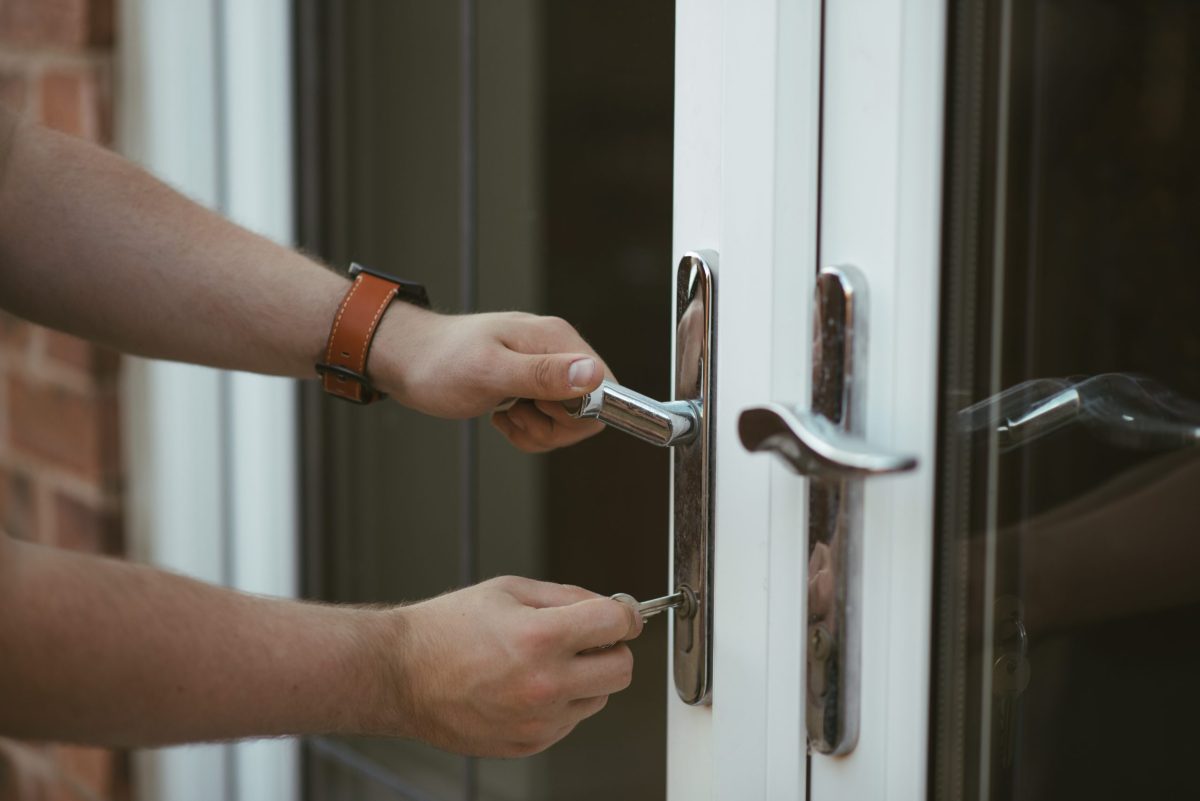
Abandoned units can be a big problem for condominium associations. What if an abandoned unit has a water leak, mold or faulty wiring? Fortunately, Florida’s Condominium Act provides associations with a powerful solution. Regardless of any authority provided in the condominium documents (declaration, bylaws, etc.), the association board may, in its sole discretion, enter abandoned units to:

Except in cases of emergency, an association must wait two days after giving the owner written or electronic notice of its intent to enter the unit. Unless the owner provides written notice to the contrary, a unit is presumed to be abandoned if:

  • the unit is in foreclosure and appears to have been vacant for at least 4 continuous weeks; or
  • the unit appears to have been vacant for 2 consecutive months and the association is unable to contact or locate the owner after reasonable inquiry.

Any expenses incurred by the association can be charged to the unit owner and collected using the association’s lien authority. Associations can also request a court-appointed receiver to lease abandoned units and use the rental income to offset the costs and expenses of maintaining, preserving and protecting the unit and the adjoining common elements.

The right to enter abandoned units is broad, but not unlimited. Condominium associations should consult with licensed professionals to ensure compliance with Florida’s statutory requirements.

Setnor Byer Insurance & Risk offers condominium associations access to various risk management services, such as Setnor Byer’s Risk Management Group, Unit Owners’ Electronic Report Line and Florida Division-Approved New Board Member Education Certification online training.

Condominium Associations Cannot Afford to Mishandle Service Animals

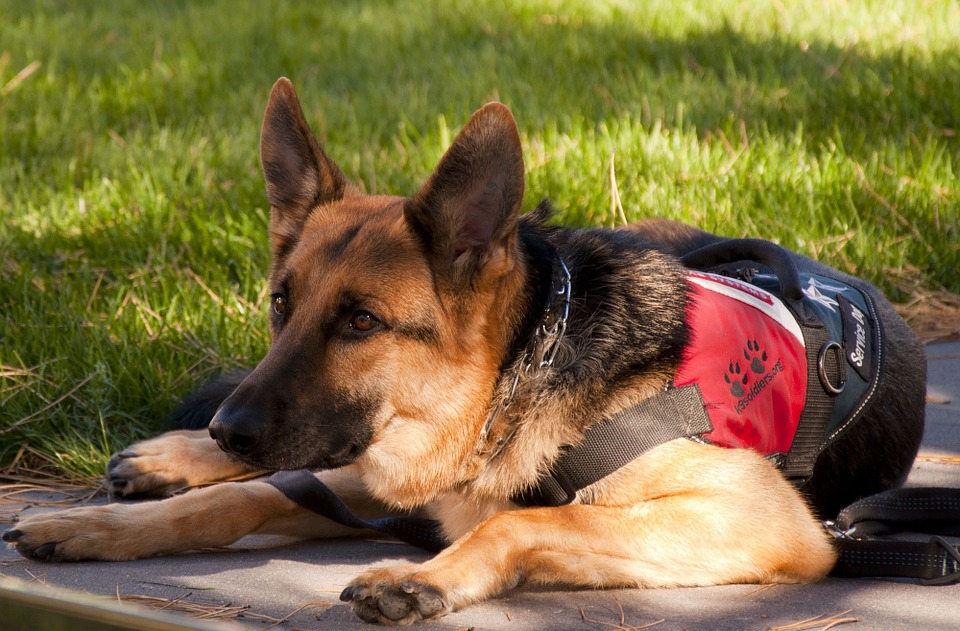
Condominium associations are often approached by unit owners or tenants requesting an accommodation to have a service animal, even though the animal itself, either because of its species or size, violates an association’s pet policy. Though it’s not always easy to tell the difference between a service animal and a pet, condominium associations cannot afford to make this kind of mistake. Since the law does not treat service animals like pets, neither can condominium associations.

The rights of an individual with disability to use a service animal is protected by federal and Florida law. For example, Florida’s Fair Housing Act prohibits discrimination in the sale, rental or availability of a dwelling, including any associated services or facilities, because of a person’s disability. Discrimination includes the refusal to make reasonable accommodations to rules, policies, practices or services that may be necessary to give a disabled person equal opportunity to use and enjoy a dwelling. Cases involving service animals typical allege a failure to provide a reasonable accommodation.

However, Florida has another law that specifically protects the use of service animals in housing accommodations. Florida’s service animal law, which was amended on July 1, 2015, states that an individual with a disability who has or obtains a service animal is entitled to full and equal access to all housing accommodations. Though this law prohibits charging extra compensation for a service animal, owners are liable for any damage caused by their service animal.

Florida’s service animal law protects individuals with physical or mental impairments that substantially limit a major life activity. Recognized mental or psychological disorders, including posttraumatic stress disorder (PTSD) and emotional or mental illnesses, are generally considered mental impairments under the law.

The law defines a service animal as an animal trained to do work or perform tasks for an individual with a disability. The work done or tasks performed must be directly related to an individual’s disability, and may include:

  • Guiding a person who is blind or visually impaired;
  • Alerting a person who is deaf or hard of hearing;
  • Assisting with mobility or balance;
  • Alerting and protecting a person who is having a seizure;
  • Helping a person with a psychiatric or neurological disability by preventing or interrupting impulsive or destructive behaviors;
  • Reminding a person with mental illness to take prescribed medications; and
  • Calming a person with PTSD during an anxiety attack.

Florida’s service animal law makes it a second degree misdemeanor for a housing accommodation to discriminate against an individual with a disability. However, as of July 1, 2015, a person using a service animal who knowingly and willfully misrepresents herself or himself as being qualified to use a service animal is also committing a second degree misdemeanor. If found guilty, this person must perform 30 hours of community service for an organization that serves individuals with disabilities or another organization determined by the court.

The consequences of mishandling a request for a service animal can be severe. Board members must recognize that service animal requests must be treated differently than other requests, and proceed cautiously to avoid unlawful conduct on the part of the association, seeking guidance or counsel, if necessary.

Setnor Byer Insurance & Risk is available to discuss ways to identify, manage and insure the risks facing condominium associations and their board members.

Additionally, clients of Setnor Byer’s Condominium Program enjoy access to various risk management services, such as Setnor Byer’s Risk Management Group and Unit Owners’ Report Line, as well as our affiliate’s Condominium Board Member Education Certification, which has been approved by the Division of Florida Condominiums, Timeshares, and Mobile Homes.

You can also receive additional information by subscribing to our weekly Risk Management Newsletters.

Finding the Right Manager for Your Condominium Association

Condominium boards often hire community association managers to help manage and oversee their association’s affairs. However, since community association managers often handle critical and complex matters, it’s important to choose the right one. The first step to confirming the qualifications and experience of a community association manager is to make sure they are properly licensed.

In Florida, community association managers must be licensed to perform specific functions for condominium associations with more than 10 units or with an annual budget of over $100,000. Importantly, a 2014 statutory amendment expanded the types of functions that can only be provided by a licensed community association manager. In addition to controlling or disbursing association funds, preparing financial documents and assisting in the meeting process, a license is required if a community association manager:

  • Determines the number of days required for statutory notices
  • Determines and collects amounts due to the association before the filing of a lawsuit
  • Calculates the votes required for a quorum or to approve a proposition or amendment
  • Completes forms that have been created by statute or by a state agency
  • Drafts meeting notices and agendas
  • Calculates, prepares and responds to requests for assessment and estoppel certificates
  • Negotiates contracts
  • Drafts pre-arbitration demands
  • Coordinates or performs maintenance and other related routine association services
  • Oversees compliance with the association’s governing documents and the requirements of law

New professional standards were placed upon Florida community association managers in 2014. For example, community association managers cannot charge unreasonable or excessive fees and must account for all funds. Community association managers, acting as an agent on behalf of the association, must also discharge their duties:

  • Loyally
  • Skillfully
  • Diligently
  • Honestly
  • Fairly
  • In good faith
  • With care and full disclosure to the association.

To satisfy their fiduciary obligation, condominium boards must make an effort to hire a qualified community association manager. Beyond confirming that a community association manager is properly licensed, board members must make sure that the individual has a thorough command of all the administrative and financial tasks associated with the job, strong communication skills and absolute integrity. Multiple candidates should be interviewed and references should be checked.

Setnor Byer Insurance & Risk’s Condominium Program provides clients with access to various risk management services, such as Setnor Byer’s Risk Management Group and Unit Owners’ Report Line, as well as our affiliate’s online Board Member Education, which has been approved by the Division of Florida Condominiums, Timeshares, and Mobile Homes to satisfy Florida’s new board member education training.

If you would like to discuss how Setnor Byer Insurance & Risk can serve you and your condominium association, please contact us.

A New Right of Access for Condominium Associations

Sometimes a condominium association needs to enter an owner’s unit, which is why Florida’s Condominium Act gives associations an irrevocable right of access. This right of access may only be used during reasonable hours to perform needed maintenance and repairs or to prevent damage to the common elements or to other units. However, Florida’s Condominium Act was amended on July 1, 2014 to expand an association’s right to access units that have been abandoned.

Under the new law, an association may enter an abandoned unit to:

  • Inspect a unit and adjoining common elements;
  • Make necessary repairs to a unit or to the common elements serving the unit;
  • Repair a unit if there is mold or deterioration;
  • Turn on utilities for a unit; or
  • Otherwise maintain, preserve or protect a unit and adjoining common elements.

When is a unit considered abandoned? Unless a unit owner provides the association with written notice to the contrary, a unit is presumed to be abandoned if:

  • The unit is the subject of a foreclosure action and no tenant appears to have resided in the unit for at least 4 continuous weeks; or
  • No tenant appears to have resided in the unit for 2 consecutive months, and the association is unable to contact or determine the whereabouts of the owner after reasonable inquiry.

Except in cases of emergency, an association must wait 2 days after giving the owner notice of its intent to enter the abandoned unit. This notice must be mailed or hand-delivered to the owner’s address of record and may be given electronically if the unit owner previously consented to receive electronic notices from the association.

Any expenses incurred by the association can be charged to the unit owner, and if a unit owner fails to pay, the association may use its lien authority to collect. An association may also ask a court to appoint a receiver to lease out an abandoned unit so that the rental income can be used to offset the association’s costs and expenses of maintaining, preserving and protecting the unit and the adjoining common elements, which can include:

  • The costs of receivership
  • Unpaid assessments
  • Interest
  • Administrative late fees and costs
  • Reasonable attorney fees

This expanded right of access to abandoned units applies even if the condominium documents, such as the bylaws or declaration, do not provide the authority to do so. Under the new law, the decision to enter an abandoned unit is at the association’s sole discretion. Nevertheless, associations should proceed cautiously to make sure all formalities are observed and to minimize the risk of a lawsuit by the unit owner.

Setnor Byer Insurance & Risk’s Condominium Program provides clients with access to various risk management services, such as Setnor Byer’s Risk Management Group and Unit Owners’ Report Line, as well as our affiliate’s online Board Member Education, which has been approved by the Division of Florida Condominiums, Timeshares, and Mobile Homes to satisfy Florida’s new board member education training.

If you would like to discuss how Setnor Byer Insurance & Risk can serve you and your association, please contact us.

Preparing an Association’s Financial Reports

For many condominiums and homeowners’ associations, the end of the calendar year is also the end of the fiscal year. This means that associations should be well on their way to completing their statutorily required financial reports.

Unless a different date is specified in the bylaws, Florida condominium and homeowners’ associations have 90 days after the end of their fiscal year to prepare and complete or hire someone else to prepare and complete the association’s financial report for the preceding fiscal year. Once completed, associations have 21 days to either provide a copy of the financial report to unit owners and members or notify them that they can request a copy free of charge. This entire process must be completed no later than 120 days after the end of the fiscal year.

Though all financial reports must be prepared in accordance with generally accepted accounting principles (GAAP), the manner in which a financial report is prepared usually depends on the association’s total annual revenues. Financial reporting requirements are determined by statutory revenue thresholds, which were changed in 2013. These thresholds are the same for both condominium and homeowners’ associations.

  • Associations with total annual revenues of less than $150,000 must prepare a report of cash receipts and expenditures
  • Associations with total annual revenues of $150,000 or more, but less than $300,000, must prepare compiled financial statements
  • Associations with total annual revenues of at least $300,000, but less than $500,000, must prepare reviewed financial statements
  • Associations with total annual revenues of $ 500,000 or more must prepare audited financial statements

Condominium associations with fewer than 50 units and homeowners’ associations with fewer than 50 parcels must prepare a report of cash receipts and expenditures, regardless of their total annual revenues.

Though associations may vote to change their financial reporting requirements, the process is technical and strict requirements must be followed.

To learn more about your obligations as a board member, take our affiliate’s recently updated online course Condominium Operations: A Primer for Board Members, which has been approved by the Division of Florida Condominiums, Timeshares, and Mobile Homes.

To learn more about your obligations as a board member, take our affiliate’s recently updated online course Condominium Operations: A Primer for Board Members, which has been approved by the Division of Florida Condominiums, Timeshares, and Mobile Homes.

If you would like to discuss how Setnor Byer Insurance & Risk can serve you and your association, please contact us. Clients of Setnor Byer’s Condominium Program enjoy access to various risk management services, such as Setnor Byer’s Risk Management Group and Unit Owners’ Report Line, as well as our affiliate’s Board Member Education Certification.

If you would like to subscribe to our newsletters please click here.