
Is a Resident Manager Ideal for Your Self Storage Facility?

Resident managers are not as common as they used to be in the self storage industry. For some self storage facilities, however, a manager living on the premises may be the key to running a successful operation. Though cost is an important factor when deciding whether a self storage facility could benefit from a resident manager, other factors should be considered as well, such as:

Service: Automated facilities may not be enough to create an advantage over the competition. Depending on a self storage facility’s location or specialty, clients may want more than just an access code after signing a contract. Facilities with a resident manager can service clients in ways that others cannot. This is why the existence of a resident manager is often mentioned in promotional and marketing materials.

Security: Even with surveillance cameras and 24-hour monitoring services, it is difficult to deny that resident managers can make a self storage facility even more secure. Their presence alone will likely deter most criminals, and their response time will be quicker than even the fastest police departments.

Operations: Things can and often do go wrong after business hours. Leaking pipes and short-circuits are just two things that can cause significant damage if they are not discovered and fixed quickly. A resident manager can find and fix those problems that cannot wait.

Qualified Candidates: It’s not always easy to find and retain the right people. Providing prospective managers with a place to live may be just the perk required to hire and keep quality talent.

After evaluating all the pros and cons in the context of each facility’s own particular situation, an informed decision can be made about whether a resident manager could improve operations. However, before making a final decision, it is important to understand the ramifications of hiring a resident manager, particularly how doing so may create an unexpected relationship.

In addition to creating an employer-employee relationship, hiring a resident manager can also create a landlord-tenant relationship. While employers can often terminate employees at-will and without advance notice, the same cannot usually be done with tenants. Depending on applicable law, a self storage facility will generally be required to provide advance written notice to terminate the landlord-tenant relationship. As a result, a resident manager may be legally entitled to continue renting the property for a period of time after his or her employment has been terminated.

There are steps that can be taken to minimize the scope and impact of the landlord-tenant aspects of a resident manager’s employment relationship. For example, a self storage facility can address landlord-tenant issues in a written employment agreement or in a separate lease agreement. However, since specific legal requirements must be met, it is advisable to seek the advice of a locally licensed attorney.

As is often the case, it is necessary to understand the risks in order to control them. Since self storage facilities face unique risks, it helps to have an insurance program that is specifically designed for the self storage industry. If you would like more information about Setnor Byer Insurance & Risk’s Self Storage Insurance Program, please contact us.

If you would like to subscribe to our newsletters please click here.
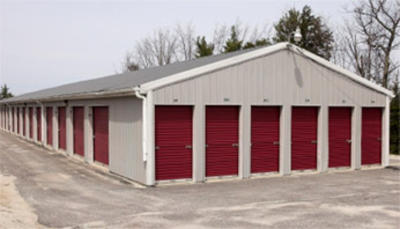
Insurance Designed for Self Storage Facilities

When considering insurance, owners and operators of self storage facilities often focus on traditional coverages despite facing risks that are unique to the self storage industry. As a result, some of the biggest risks faced by self storage facilities remain uninsured.

To avoid this problem, owners and operators should consider obtaining specialized coverages designed to protect against the risks that come with operating a self storage facility.

Sale and Disposal Liability Coverage

Sale and Disposal Liability Coverage will pay for damages caused by a self storage facility’s sale and disposal operations involving the lock-out, sale, removal or disposition of a customer’s property. Even if everything was done by the book, the defense coverage can be used to respond to frivolous lawsuits filed by tenants.

Customers’ Goods Legal Liability Coverage

Owners and operators of self storage facilities are usually blamed when a tenant’s property is damaged. Customers’ Goods Legal Liability Coverage will pay for damages to their property that occurs at the self storage facility and will cover defense costs if a lawsuit is filed.

Business Interruption Coverage

A temporary closure due to a loss does not mean that business expenses stop. Business Interruption Coverage can prevent a temporary shutdown from becoming permanent by covering reductions in net income and providing the funds needed to pay normal operating expenses. Extra expense coverage is also available to cover expenses over and above normal operating costs, such as temporary relocation costs.

Ordinance and Law Coverage

Building codes are regularly changed to improve a structure’s resistance to various risks. Ordinance and Law Coverage covers the extra expense of rebuilding to comply with updated building codes, which, in the case of older structures, can be very expensive.

Employee Dishonesty Coverage

It is estimated that employee fraud costs the average American business six percent of its total annual revenue. Employee Dishonesty Coverage, which is also known as Employee Theft Coverage, can protect a self storage facility from financial loss due to the fraudulent activities of an employee or group of employees, including crimes involving embezzlement and internal theft.

Hired and Non-Owned Automobile Coverage

Owners and operators commonly overlook automobile insurance simply because the self storage facility does not own a vehicle. But, what if the self storage facility rents a truck to pick up equipment or sends an employee on a business errand in the employee’s own car? Hired and Non-Owned Automobile Coverage applies to bodily injury or property damage arising out of the business use of a hired or non-owned automobile.

Equipment Breakdown Coverage

Equipment Breakdown Coverage a/k/a Boiler and Machinery Coverage pays the cost of repairing and replacing damaged equipment covered under the policy. Any resulting loss in business income, as well as additional costs incurred in trying to restore operations quickly, may also be covered under such a policy.

When shopping for these coverages, owners and operators of self storage facilities should consult an insurance agent with an established history of experience and expertise in the field of insuring self storage facilities. Otherwise a self storage facility may be left with costly duplicate coverage or dangerous gaps in coverage.

If you would like more information about how Setnor Byer Insurance & Risk’s Self Storage Insurance Program can help protect your facility, please contact us.