Making the Most of National Electrical Safety Month

Protecting your family, home and property is a full time job. Unfortunately, busy schedules often get in the way of making safety a top priority. Since May is National Electrical Safety Month, now is a good time to discuss electrical hazards and review effective safety practices.

According to the Federal Emergency Management Agency (FEMA), electrical malfunctions are a leading cause of residential building fires. In 2011, there were 26,800 residential building fires caused by electrical malfunctions that resulted in 280 deaths, 1,200 injuries and over a billion dollars in property loss. FEMA reports that residential building electrical fires cause more injuries, death and damage than all nonelectrical residential fires combined.

Steps can be taken to avoid becoming another tragic statistic. For example, since the average home in the United States was built in 1974, the Electrical Safety Foundation International (ESFI) recommends installing updated home safety devices that are designed to meet today’s electrical demands. The following items, for example, can greatly increase electrical safety.

Tamper Resistant Receptacles

Curious kids and electrical receptacles (outlets) are a dangerous combination. Tampering with electrical receptacles causes an estimated 6 to12 child fatalities and 2,400 severe shocks and burns every year. Those relying on plastic outlet covers to protect their children should know that a Temple University study found that 100% of 2 to 4-year-old children were able to remove plastic outlet covers in less than ten seconds.

A Tamper Resistant Receptacle (TRR) has spring-loaded shutters that cover the contact openings, or slots, of the receptacles. These shutters only open when both springs are compressed at the same time. The shutters will not open when a child attempts to insert an object into only one contact opening, so there will be no contact with electricity. According to the ESFI, the cost of installing TRRs in new homes is about 50 cents more than installing traditional receptacles, and the cost of retrofitting existing homes can be done for about $2 per outlet.

Ground Fault Circuit Interrupter

A ground-fault occurs when there is a break in the grounding path that may cause the electrical current to take an alternative path to the ground through a person, resulting in serious injuries or death. A Ground Fault Circuit Interrupter (GFCI) is a fast-acting circuit breaker designed to shut off electric power within as little as 1/40 of a second in the event of a ground-fault. It works by comparing the amount of current going to and returning fromequipment along the circuit conductors. If there is a measurable difference between the two, the GFCI interrupts the current.

Arc Fault Circuit Interrupter

An arc fault is an unintentional discharge of electricity in a circuit that can be caused by damaged, overheated or stressed electrical wiring or devices. Sparking or arcing caused by loose or corroded wires making intermittent contact generates heat and can damage insulation of the wires, which can trigger an electrical fire. Since arcing may not trip a circuit breaker, an Arc Fault Circuit Interrupter (AFCI) is needed to shut off the electricity before a fire can start.

The ESFI also recommends conducting a home electrical safety checkup by asking a number of questions designed to identify potential safety hazards, such as:

  • Are all switches and outlets working properly?
  • Are any switches or outlets warm to the touch?
  • Are any outlets or switches discolored?
  • Do any switches or outlets make crackling or buzzing sounds?
  • Do plugs fit snugly into all outlets?
  • Are any cords cracked, frayed or damaged?
  • Are any cords pinched by furniture, doors or windows?
  • Are cords attached to anything with nails or staples?
  • Are cords placed under carpets?
  • Are any extension cords being used on a permanent basis?
  • Are cords kept tied up while being used?
  • Are appropriate wattage light bulbs being used in all lights?
  • Are all appliance cords placed so they will not come in contact with hot surfaces?
  • Do you have recurring tripped circuit breakers or blown fuses?
  • Are electrical safety devices, such as GFCIs and AFCIs, tested every month?

If potential electrical safety hazards are discovered, the ESFI cautions against taking a do-it-yourself approach and strongly recommends leaving electrical work to the professionals. Nevertheless, the ESFI recommends the following precautions before doing any electrical work:

  • Turn off the power by switching off the correct circuit breaker in the main service panel.
  • Unplug lamps, appliances, etc. that are being worked on.
  • Test wires before touching them to confirm power has been turned off.
  • Never touch plumbing or gas pipes when performing an electrical project.
  • Never attempt a project that is beyond your skill level.

Since completely eliminating the risk of electrical damage is impossible, homeowners and renters should check with their insurance agent to make sure they are adequately protected. In some cases, a personal property floater or ordinance and law coverage may be necessary.

If you would like information about how insurance can play a valuable role in protecting your home from electrical safety hazards, please contact us.

If you would like to subscribe to our newsletters please click here.
Self Storage Facilities: Protecting the Bottom Line

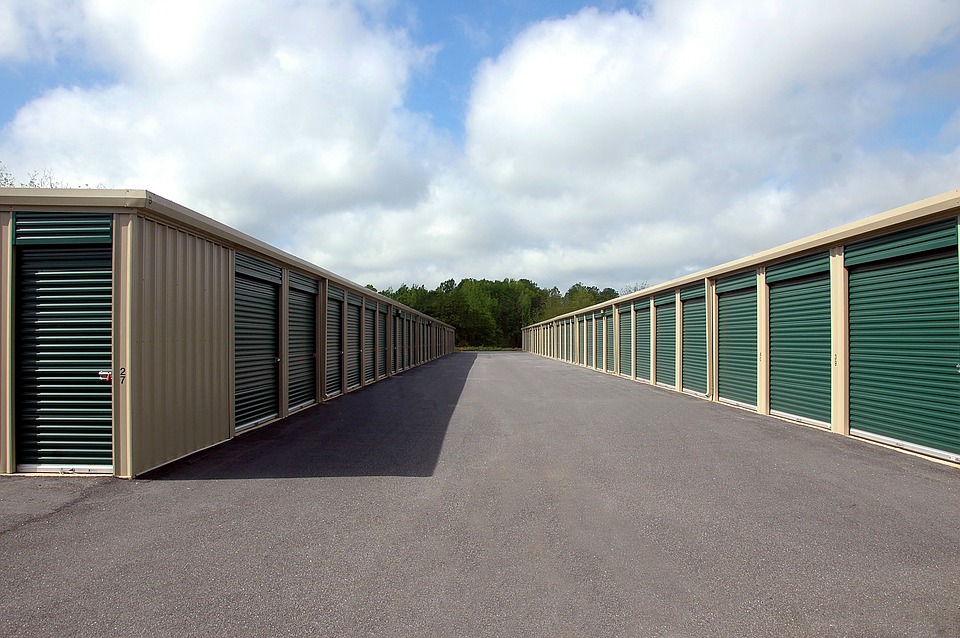
Most businesses rely on their facilities to manufacture products or provide services. In the self storage industry, the facilities typically are the product. If property loss or damage is not fixed quickly, the business may fail. Though most believe their self storage facilities are adequately insured against property loss or damage, many overlook Ordinance and Law coverage. This oversight can be the downfall of any self storage facility.

Ordinance and Law insurance is designed to pay the extra expense of rebuilding to comply with ordinances or laws, such as building codes, which did not exist when the building was originally constructed. Since the costs of improving a structure to bring it up to code are specifically excluded under most property policies, this coverage can be quite valuable.

An insured’s obligation to rebuild according to current and stricter codes is often triggered when an insured building experiences a covered loss, such as a fire or hurricane. Unfortunately, many insureds first learn of this additional obligation and expense after they experience a property loss. To avoid the burden of these additional rebuilding costs, self storage facilities can add Ordinance and Law coverage to their current property insurance policies. Doing so will generally cover:

  • Loss to the undamaged portion of the building;
  • Increased demolition costs; and
  • Increased costs of construction.

Since rebuilding according to current building codes may suspend operations for an extended period of time, self storage facilities can purchase Business Interruption insurance to cover reductions in net income caused by an inability to continue business operations. Since payroll, mortgage/rent payments, money owed to suppliers, taxes, and other continuing expenses must be met, Business Interruption insurance may provide badly needed capital when operations are suspended.

Combining Ordinance and Law coverage with Business Interruption coverage, self storage facilities increase the likelihood of surviving not only the initial property loss, but a protracted suspension of operations resulting from the obligation to rebuild in accordance with current building codes.

While the decision to obtain Ordinance and Law and Business Interruption coverage should be easy, understanding specific policy provisions and terms can be difficult. Since there may be variations among different policy forms, it is important that you consult with an experienced insurance agent to discuss your options.

If you would like more information about protecting your self storage facility or obtaining Ordinance and Law and Business Interruption insurance coverage, please contact us.

If you would like to subscribe to our newsletters please click here.
Insurance Designed for Self Storage Facilities

When considering insurance, owners and operators of self storage facilities often focus on traditional coverages despite facing risks that are unique to the self storage industry. As a result, some of the biggest risks faced by self storage facilities remain uninsured.

To avoid this problem, owners and operators should consider obtaining specialized coverages designed to protect against the risks that come with operating a self storage facility.

Sale and Disposal Liability Coverage

Sale and Disposal Liability Coverage will pay for damages caused by a self storage facility’s sale and disposal operations involving the lock-out, sale, removal or disposition of a customer’s property. Even if everything was done by the book, the defense coverage can be used to respond to frivolous lawsuits filed by tenants.

Customers’ Goods Legal Liability Coverage

Owners and operators of self storage facilities are usually blamed when a tenant’s property is damaged. Customers’ Goods Legal Liability Coverage will pay for damages to their property that occurs at the self storage facility and will cover defense costs if a lawsuit is filed.

Business Interruption Coverage

A temporary closure due to a loss does not mean that business expenses stop. Business Interruption Coverage can prevent a temporary shutdown from becoming permanent by covering reductions in net income and providing the funds needed to pay normal operating expenses. Extra expense coverage is also available to cover expenses over and above normal operating costs, such as temporary relocation costs.

Ordinance and Law Coverage

Building codes are regularly changed to improve a structure’s resistance to various risks. Ordinance and Law Coverage covers the extra expense of rebuilding to comply with updated building codes, which, in the case of older structures, can be very expensive.

Employee Dishonesty Coverage

It is estimated that employee fraud costs the average American business six percent of its total annual revenue. Employee Dishonesty Coverage, which is also known as Employee Theft Coverage, can protect a self storage facility from financial loss due to the fraudulent activities of an employee or group of employees, including crimes involving embezzlement and internal theft.

Hired and Non-Owned Automobile Coverage

Owners and operators commonly overlook automobile insurance simply because the self storage facility does not own a vehicle. But, what if the self storage facility rents a truck to pick up equipment or sends an employee on a business errand in the employee’s own car? Hired and Non-Owned Automobile Coverage applies to bodily injury or property damage arising out of the business use of a hired or non-owned automobile.

Equipment Breakdown Coverage

Equipment Breakdown Coverage a/k/a Boiler and Machinery Coverage pays the cost of repairing and replacing damaged equipment covered under the policy. Any resulting loss in business income, as well as additional costs incurred in trying to restore operations quickly, may also be covered under such a policy.

When shopping for these coverages, owners and operators of self storage facilities should consult an insurance agent with an established history of experience and expertise in the field of insuring self storage facilities. Otherwise a self storage facility may be left with costly duplicate coverage or dangerous gaps in coverage.

If you would like more information about how Setnor Byer Insurance & Risk’s Self Storage Insurance Program can help protect your facility, please contact us.

Ordinance and Law Coverage

Did you know that, following a major disaster, some of your rebuilding expenses may not be covered by your property insurance? The costs of demolishing an undamaged portion of a building or of improving a structure to bring it up to code are specifically excluded under most property policies. Yet often, building codes and ordinances require that such measures be taken to bring a building into compliance with current law.

Buildings are constructed to meet or exceed the codes in effect at the time of their construction. But as buildings age, those codes often become obsolete as construction standards change in an ongoing effort to improve the fire safety, structural integrity, and energy efficiency of buildings. Enforcement of these new standards is triggered when an insured building experiences a covered loss, such as a fire or hurricane, and the structure must be rebuilt according to current, and stricter, codes. So how do you protect yourself from the burden of financing the additional costs of bringing your structure up to code? By adding Ordinance and Law Coverage to your current property insurance. Ordinance and Law insurance consists of three separate coverages: 1) loss to the undamaged portion of the building; 2) increased demolition costs; and 3) increased costs of construction. To learn more about Ordinance and Law Coverage and the benefits of adding this valuable coverage to your current property policy, please contact our office.