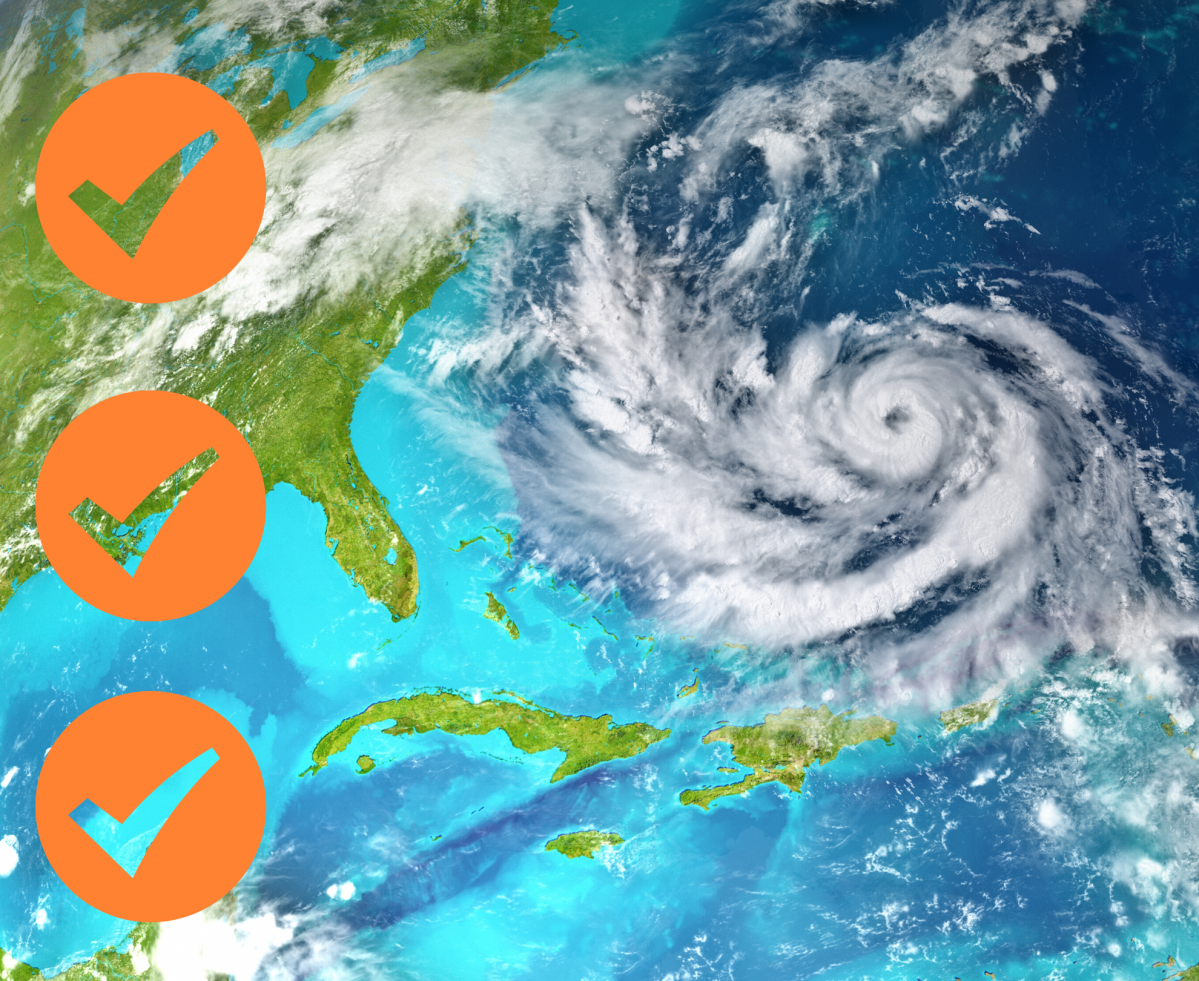
Hurricane Season 2020 Has Not Been Postponed Due to COVID-19

The 2020 Atlantic Hurricane Season officially begins June 1st, but this year is different. Coronavirus disease 2019 (COVID-19) has affected virtually every aspect of our daily lives. The Federal Emergency Management Agency cautions that social distancing and other CDC preventative measures to protect against COVID-19 may impact hurricane preparation plans, including evacuation routes and shelters. Now is the time to evaluate and finalize the plans and protective measures that will be needed if a storm is coming your way.

According to the National Oceanic and Atmospheric Administration, there is a 60% chance that the 2020 Atlantic Hurricane Season will have above-normal activity. The likelihood of a below-normal season is only 10%. An average hurricane season produces 12 named storms, including 6 hurricanes and 3 major hurricanes. For the 2020 hurricane season, NOAA is forecasting:

  • 13-19 Named Storms (winds of 39 mph or higher)
  • 6-10 Hurricanes (winds of 74 mph or higher)
  • 3-6 Major Hurricanes (winds of 111 mph or higher)

Forecasters at the Colorado State University Tropical Meteorology Project calculated a 69% probability that at least one major hurricane (Category 3, 4, 5) will make landfall somewhere on the continental coastline of the United States. They are also predicting:

  • 16 Named Storms (80 named storm days)
  • 8 Hurricanes (35 hurricane days)
  • 4 Major Hurricanes (9 major hurricane days)

A lot is made of these annual predictions, but it only takes one storm to make it an active hurricane season for you. Unfortunately, the 2020 Atlantic Hurricane Season was not suspended or delayed due to COVID-19. Waiting until the last minute is never a good idea, particularly in the middle of a global pandemic.

Start preparing now with Setnor Byer Insurance & Risk’s Hurricane Season 2020 Checklist. Our team of experienced and responsive professionals can help you find affordable options to protect your home and your business in the event of a hurricane. Please contact us if you would like more information about protecting your personal and business property during the 2020 Hurricane Season.
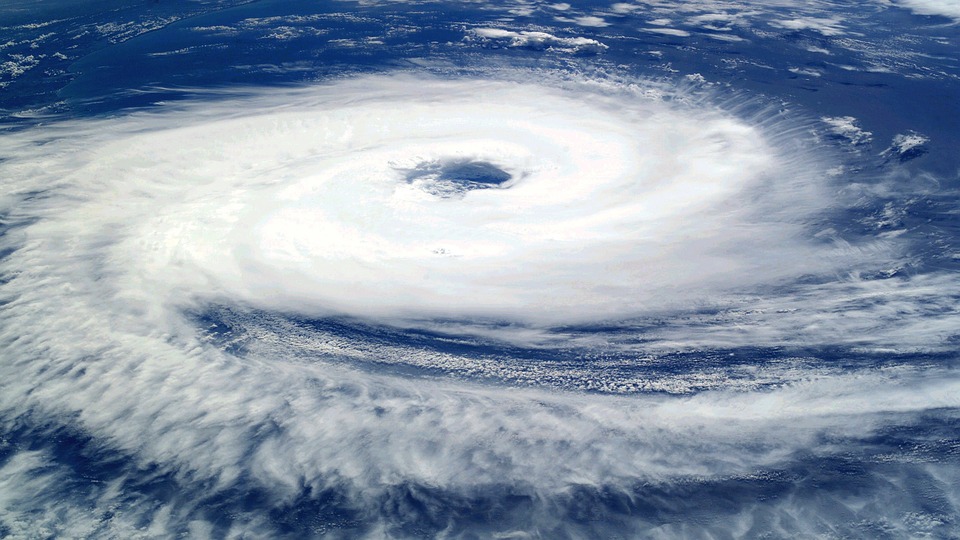
Are You Ready for the 2017 Hurricane Season?

It’s that time of year again. If you live or work in the Atlantic hurricane region, it’s hard to forget that hurricane season officially starts June 1st. The beginning of hurricane season, which runs through November 30th, is not a time for panic. Instead, it’s a time to finalize the plans and protective measures that will be needed if a storm is coming your way.

The National Oceanic and Atmospheric Administration made the following predictions about the 2017 Atlantic Hurricane Season.

  • 45% chance of an above-normal season
  • 35% chance of a near-normal season
  • 20% chance of a below-normal season

NOAA forecasters also predict a 70% likelihood of:

  • 11 – 17 Named Storms (winds of 39 mph or higher)
  • 5 – 9 Hurricanes (winds of 74 mph or higher)
  • 2 – 4 Major Hurricanes (winds of 111 mph or higher)

These predictions include pre-season Tropical Storm Arlene, which formed over the eastern Atlantic in April. An average season produces 12 named storms, six of which become hurricanes, including three major hurricanes.

A strong El Nino and wind shear typically suppress the development of Atlantic hurricanes. Warmer sea surface temperatures tend to fuel hurricanes. However, NOAA is expecting “a weak or non-existent El Nino, near- or above-average sea-surface temperatures…and average or weaker-than-average vertical wind shear.”

Regardless of predictions, it only takes one hurricane making landfall to make it an active season for you. Since it’s better to be safe than sorry, here are a few tips that can help your home and business weather a storm.

Before the Storm

  • Monitor the news to allow time to prepare.
  • Identify tools and equipment that will be needed to secure property before and recover after the storm (flashlights, batteries, caulking, tarpaulins, sandbags, cutting and fastening equipment, etc.).
  • Clear drains and downspouts to minimize the risk of flooding.
  • Unplug electrical equipment and move items inside and away from windows
  • Check and secure all documents and records.
  • Take or update photographs of real and personal property.
  • Gather insurance policies and agent/insurer contact information.

After the Storm

  • Only after it has been declared safe to do so, take reasonably necessary steps to protect against any further property damage.
  • Report fallen power lines to power company immediately—stay away from them!
  • Check exterior walls and roof for damage.
  • Check interior perimeter walls, floors and roof for leaks and water damage.
  • Document all damage with photographs and video.
  • Prepare detailed damage reports.
  • Call your insurance company or agent as soon as possible to report damage.

With over 30 years of experience dealing with tropical storms and hurricanes, we know that taking preventative measures before a hurricane is the most effective way to limit the damage. To help you get started, we created a 2017 Hurricane Season Checklist.

Setnor Byer Insurance & Risk has a long history of helping clients prepare before the storm and, more importantly, recovering after the storm. Our team of experienced and responsive professionals can help protect your personal and business property in the event of a hurricane.

Please contact us if you would like more information about protecting your personal and business property during the 2017 Hurricane Season.

You can receive regular updates about developments that may affect your home or business by subscribing to Setnor Byer Insurance & Risk’s weekly risk management news brief.