Paying Less for Workers’ Compensation Insurance by Focusing More on Workplace Safety

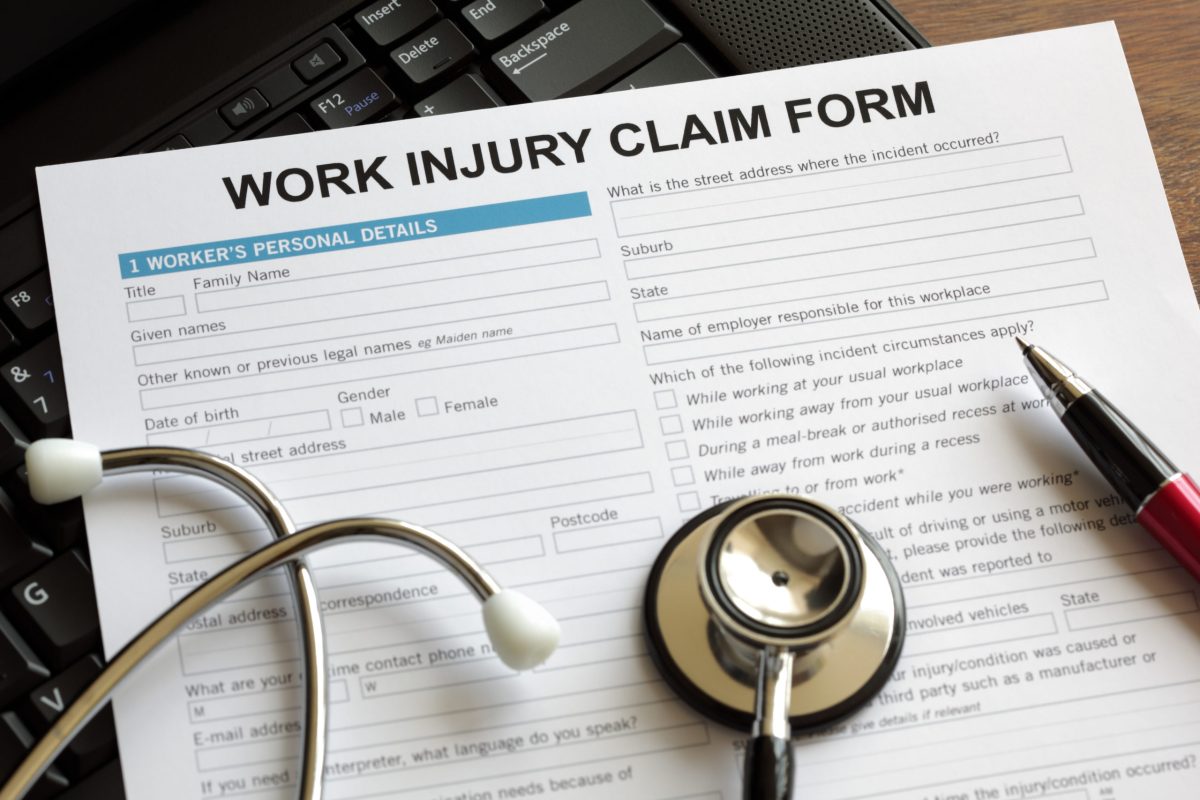
Do you know the secret to getting cheaper workers’ compensation insurance? It’s maintaining a safe workplace. In addition to being required by law, providing a safe workplace is good for business. An effective workplace safety program can protect employees from harm and even save lives. It can reduce costly and disruptive injury-related employee absences and work restrictions. And, since fewer workplace injuries means lower premiums, it can also save money.

The first step to developing an effective workplace safety program is identifying the most common causes of the most serious workplace injuries. According to Liberty’s 2019 Workplace Safety Index, these are the top ten causes of disabling injuries at work.

  1. Overexertion involving outside sources (lifting, pushing, pulling, holding, carrying, etc.)
  2. Falls on same level (slipping on the floor)
  3. Struck by object or equipment
  4. Falls to lower level (falling from ladder, platform, etc.)
  5. Other exertions or bodily reactions (crawling, bending, reaching, twisting, kneeling, walking, etc.)
  6. Roadway incidents involving motorized vehicles
  7. Slip or trip without fall (injured while resisting a fall)
  8. Caught in or compressed by equipment or objects
  9. Repetitive motions involving microtasks
  10. Struck against object or equipment (ex. walking into an open drawer or door)

It’s important to note that the most common causes of serious workplace injuries vary by industry. For example, falls to lower levels are the most common cause of injury in the construction industry. They account for $2.5 billion in losses and represent 25% of the industry’s non-fatal injury cost. In the professional and business services industry, however, falls on the same level are the leading cause of injury. They account for $1.92 billion in losses and represent 24% of the industry’s non-fatal injury cost.

Knowing how and why workplace injuries occur puts employers in a better position to develop and implement their own safety and training programs. This is important because employers have the ability to control their workers’ compensation insurance premiums, for better or worse.

Those with an effective workplace safety program pay less. Those without pay more. Please contact us to learn more about reducing your workers’ compensation insurance premiums by implementing an effective workplace safety program.

Workers’ Compensation 101: What Does Employers Liability Insurance Cover?

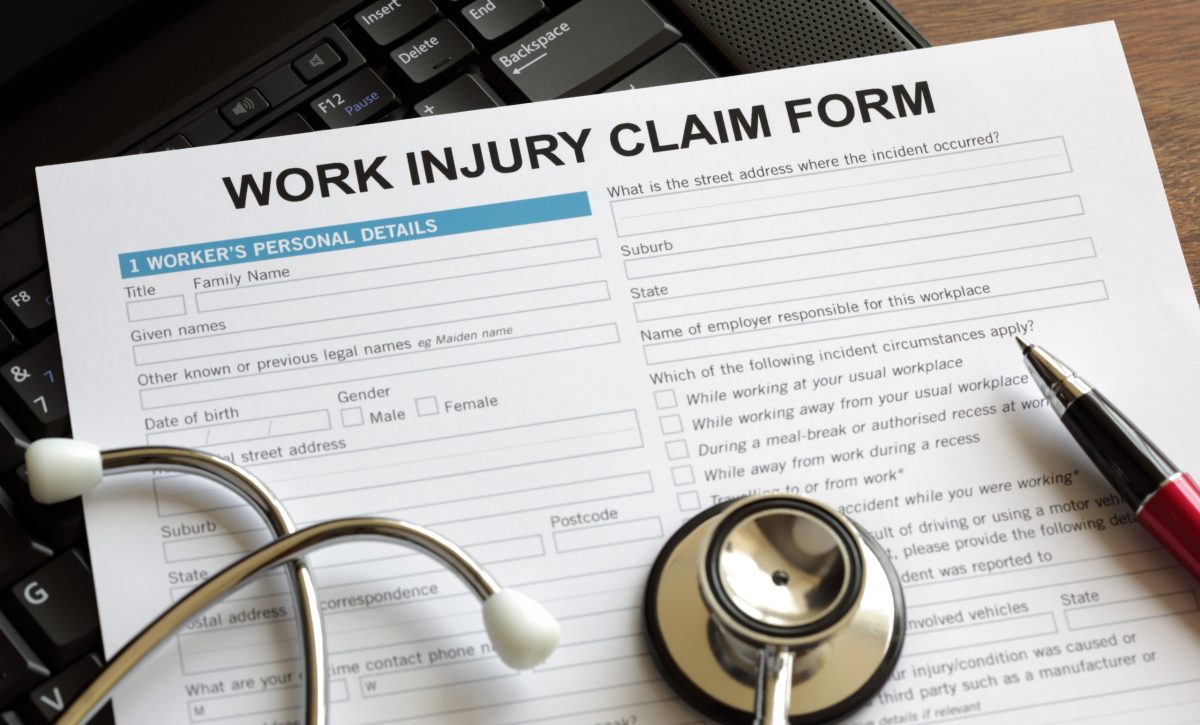
Did you know that a standard workers’ compensation insurance policy has more than one part? It’s true, check for yourself. Part One Workers Compensation Insurance provides indemnity and medical benefits that employers are legally required to provide employees who are injured on the job. You probably knew that already.

But, if you keep reading, you will see that Part One is followed by…Part Two Employers Liability Insurance. What could that possibly cover?

Part Two of a standard workers’ compensation policy covers employers for liability arising out of an employee’s work-related injury, death or disease that is not otherwise covered under a state’s workers’ compensation laws. Unless otherwise excluded under the policy, Employers Liability Insurance will typically respond to a variety of claims that stem from an employee’s work-related injury, including the following common claims.

Third-Party Over. Despite providing workers’ compensation insurance, an employer may end up being held indirectly liable for an employee’s workplace injury. Third-party over claims occur when: 1) an employee sues a third-party to recover damages for their workplace injury; and 2) that third-party then turns around and attempts to hold the employer responsible for the employee’s lawsuit.

For example, assume an employee injured by workplace machinery sues the machine’s manufacturer for damages. A third-party over situation would occur if the manufacturer tries to recover money it paid to the employee by suing the employer for negligently failing to maintain the machinery.

Loss of Consortium. Consortium generally refers to one spouse’s legal right to the company, affection, assistance, service, companionship and marital relations of the other spouse. The spouse of an injured employee may bring a claim for care and loss of services.

Consequential Bodily Injury. An injured employee’s spouse, child, parent or sibling may sue the employer for their own bodily injuries that are a direct consequence of the bodily injury suffered by the employee. Examples may include a spouse who develops migraine headaches or a parent who has a stroke induced by the stress caused by their child’s workplace injury.

Dual-Capacity. Depending on the circumstances, an injured employee may be able to sue their employer in a nonemployment-related capacity. For example, an employer may be sued as the manufacturer of the machinery that injured the employee or the landlord that failed to adequately maintain the premises.

Employers Liability Coverage is automatically included in standard workers’ compensation policies available in most states. But, North Dakota, Ohio, Washington and Wyoming only allow workers’ compensation insurance purchased from a compulsory state fund. Employers in these ‘monopolistic’ states must purchase stop-gap coverage, which is essentially an Employers Liability Coverage endorsement added to a General Liability policy.

Please contact us if you have any questions about Worker’s Compensation and Employers Liability Insurance Coverage. You can subscribe to our newsletter to receive regular insurance and risk management informational updates.

Yahoo Data Breach Settlement Highlights Importance of Data Security and Cyber Liability

An inconvenient truth. That’s how a growing number of us view data security breaches. There are victims and soon-to-be-victims. However, despite the seemingly endless stream of data breaches, organizations cannot afford to take a passive approach to data security and cyber threats. Just ask Yahoo!

In 2016, Yahoo announced two separate data breaches that exposed personal information of more than 1.5 billion users. At the time, Verizon Communications was in the process of buying Yahoo’s core Internet businesses. Upon learning of the data breaches, Verizon sliced $350 million off the purchase price. Then, in early March 2018, Yahoo agreed to pay $80 million to settle a breach-related securities class action lawsuit.

Data breaches have become much more than an inconvenient truth in the business world. They are a very costly reality. Fortunately, a growing number of businesses are realizing that if they don’t adapt today, they may not be around tomorrow.

Microsoft participated in a 2018 Global Cyber Risk Perception Survey that found most organizations now rank cybersecurity among their highest risk management priorities. Companies of all sizes have started to estimate the financial impact of a cyber event. According to the survey, organizations were most concerned about:

Business Interruption
Reputational Damage
Breach of Customer Information
Data / Software Damage
Extortion / Ransomware
Liability to Third Parties
Disruption / Interruption of Systems
Loss / Theft of Intellectual Property
Organizations that conducted the following cybersecurity activities were more confident in their ability to manage cyber risk.

Cybersecurity assessments
Penetration testing
Benchmarking (peers / industry-wide)
Modeling potential cyber loss scenarios
Phishing awareness training for employees
Encryption and multi-factor authentication
Reduced external system connectivity
Improved vulnerability and patch management
The survey also revealed that organizations are more confident in their ability to understand and assess cyber risk than their ability to mitigate or respond to it. Perhaps this explains why cyber liability insurance continues to play an important role in protecting against cyber liabilities. According to the survey, organizations:

increased coverage limits under existing cyber liability insurance policies;
re-structured existing cyber liability policies; or
purchased broader cyber liability insurance coverage.
Please contact us if you would like more information about insurance specifically designed to protect against cyber threats.

To receive regular insurance and risk management informational updates, please subscribe to our newsletter.

Lessons from Hurricane Irma

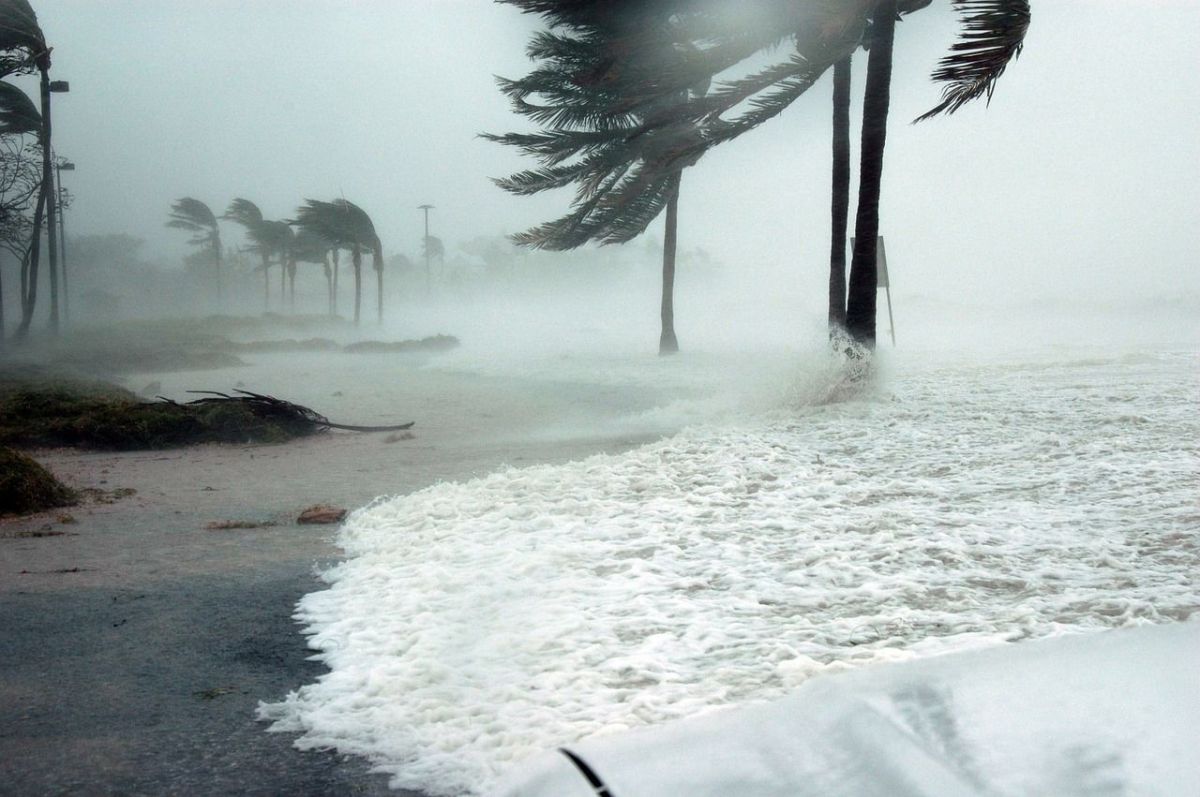
Hurricane Irma was an unprecedented storm that affected literally everyone in Florida. Most of us were either expecting or experiencing a direct hit. All of us were given at least a glancing blow. Even though the mess remains and recovery efforts are ongoing, it’s not too soon to share what we learned from Hurricane Irma.

Setnor Byer Insurance & Risk has been helping clients prepare for and recover from hurricanes for nearly 40 years, but Hurricane Irma was different. As the steadily intensifying storm made its way toward Florida, we received an unprecedented number of calls from clients asking about flood insurance for their homes and businesses. Why?

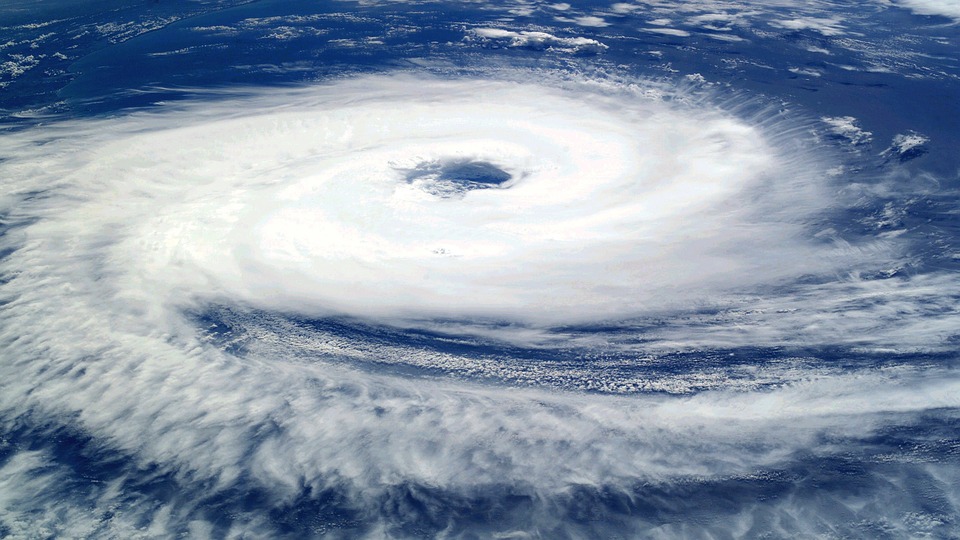
Obviously, everyone is concerned when a massive category 5 hurricane is heading their way, but there was another reason. We all saw the catastrophic flooding in Texas caused by Hurricane Harvey just a few weeks earlier. The damage was devastating. So was the news that nearly 80% of homeowners in the counties most directly affected by Hurricane Harvey did not have flood insurance.

According to the Federal Emergency Management Agency (FEMA), floods are the most common and costliest natural disaster. Unfortunately, too many businesses refuse to carry flood insurance simply because they are not located in a high-risk flood zone. Neither were a majority of those flooded by Hurricane Harvey.

Flood zones are always being remapped, but it’s a long process that can take years. Updated maps quickly become out-of-date. Moreover, the process of identifying property that is susceptible to flooding is not a perfect science. For example, flood zone determinations fail to adequately consider:

  • Localized drainage issues;
  • Long-term erosion;
  • Ongoing development;
  • Topographic variances on individual properties; or
  • The failure of flood control systems.

This is why every home and business should have flood insurance, regardless of whether they are located in a high-risk flood zone. Premiums are relatively affordable, particularly when you consider the risks assumed by a flood insurance policy, such as the:

  • Overflow of inland or tidal waters;
  • Collapse of land along a body of water from waves or currents; and
  • Rapid accumulation of surface waters from any source, including blocked storm drains and broken water pipes below the surface of the ground.

Even if the risk of flooding may not be particularly high for your home or business, this is also true of countless other risks covered by insurance policies. Yet, many would never go without insurance to cover their personal homes and cars. Just like they wouldn’t consider going go without general liability insurance, professional liability insurance, employment practices liability insurance or commercial auto insurance to protect their businesses.

Uninsured flood damage can devastate any home or business, even those not located in high-risk flood zones. Over the course of just a few weeks, we’ve seen the landfall of not one, not two, but three hurricanes that rank among the most powerful storms in recorded history.

Those relying on flood zone maps to justify their decision to not purchase flood insurance should seriously reconsider.

Please contact us to learn more about flood insurance for your home and business.

To receive regular updates, please subscribe to our weekly newsletters.

Are You Ready for the 2017 Hurricane Season?

It’s that time of year again. If you live or work in the Atlantic hurricane region, it’s hard to forget that hurricane season officially starts June 1st. The beginning of hurricane season, which runs through November 30th, is not a time for panic. Instead, it’s a time to finalize the plans and protective measures that will be needed if a storm is coming your way.

The National Oceanic and Atmospheric Administration made the following predictions about the 2017 Atlantic Hurricane Season.

  • 45% chance of an above-normal season
  • 35% chance of a near-normal season
  • 20% chance of a below-normal season

NOAA forecasters also predict a 70% likelihood of:

  • 11 – 17 Named Storms (winds of 39 mph or higher)
  • 5 – 9 Hurricanes (winds of 74 mph or higher)
  • 2 – 4 Major Hurricanes (winds of 111 mph or higher)

These predictions include pre-season Tropical Storm Arlene, which formed over the eastern Atlantic in April. An average season produces 12 named storms, six of which become hurricanes, including three major hurricanes.

A strong El Nino and wind shear typically suppress the development of Atlantic hurricanes. Warmer sea surface temperatures tend to fuel hurricanes. However, NOAA is expecting “a weak or non-existent El Nino, near- or above-average sea-surface temperatures…and average or weaker-than-average vertical wind shear.”

Regardless of predictions, it only takes one hurricane making landfall to make it an active season for you. Since it’s better to be safe than sorry, here are a few tips that can help your home and business weather a storm.

Before the Storm

  • Monitor the news to allow time to prepare.
  • Identify tools and equipment that will be needed to secure property before and recover after the storm (flashlights, batteries, caulking, tarpaulins, sandbags, cutting and fastening equipment, etc.).
  • Clear drains and downspouts to minimize the risk of flooding.
  • Unplug electrical equipment and move items inside and away from windows
  • Check and secure all documents and records.
  • Take or update photographs of real and personal property.
  • Gather insurance policies and agent/insurer contact information.

After the Storm

  • Only after it has been declared safe to do so, take reasonably necessary steps to protect against any further property damage.
  • Report fallen power lines to power company immediately—stay away from them!
  • Check exterior walls and roof for damage.
  • Check interior perimeter walls, floors and roof for leaks and water damage.
  • Document all damage with photographs and video.
  • Prepare detailed damage reports.
  • Call your insurance company or agent as soon as possible to report damage.

With over 30 years of experience dealing with tropical storms and hurricanes, we know that taking preventative measures before a hurricane is the most effective way to limit the damage. To help you get started, we created a 2017 Hurricane Season Checklist.

Setnor Byer Insurance & Risk has a long history of helping clients prepare before the storm and, more importantly, recovering after the storm. Our team of experienced and responsive professionals can help protect your personal and business property in the event of a hurricane.

Please contact us if you would like more information about protecting your personal and business property during the 2017 Hurricane Season.

You can receive regular updates about developments that may affect your home or business by subscribing to Setnor Byer Insurance & Risk’s weekly risk management news brief.

Does Homeowners’ Insurance Protect Airbnb and other Home-Sharing Hosts?

Most of us don’t care whether homeowners’ insurance covers claims caused by renters. After all, how many people actually rent their homes to strangers? As it turns out, a lot of people do. Home-sharing services have turned a growing number of ordinary homeowners into part-time innkeepers.

According to the Pew Research Center, 11% of American adults have used online home-sharing services like Airbnb or VRBO. Airbnb boasts of having over 3 million listings worldwide. This means that a lot of people really need to care about whether homeowners’ insurance covers claims caused by renters.

The Risks

Home-sharing is not without risk. For example, host homeowners face an increased exposure to:

  • Personal and structural property damage or loss.
  • Criminal activity, theft and vandalism.
  • Liability to guests for property damage or bodily injury that occurs on the premises.
  • Liability to third-parties for property damage or bodily injury caused by guests.

Standard Homeowners’ Insurance

Standard homeowners’ insurance policies don’t directly address home-sharing because it didn’t exist when these policies were created. Nevertheless, there are a number of long-standing provisions in standard policies that could limit or exclude coverage for the host homeowner.

  • Eligibility. Many policies are restricted to dwellings used exclusively for private residential purposes.
  • Property Coverage: Standard policies generally do not cover the theft of a host’s personal property from areas that are rented to guests. The same is true for a guest’s personal property. They can also limit coverage for appliances, carpeting and household furnishings in areas that are rented to others.
  • Liability Coverage: Standard policies don’t provide liability coverage for business conducted from the home, like renting your home guests.

As you can see, standard policies may not cover a host homeowner’s losses even though home-sharing is not expressly mentioned or excluded. These coverage gaps are common when standard (old) policies are used to insure non-standard (new) activities.

Unfortunately, the insurance industry doesn’t move as fast as the Airbnb’s and Über’s of the world. So, before joining the sharing economy, review your standard insurance policies carefully to identify any potential coverage gaps. If you’re not sure, ask an experienced insurance agent.

Please contact us to learn more about home-sharing host insurance coverage.

To receive regular updates about important insurance developments, subscribe to Setnor Byer Insurance & Risk’s weekly risk management news brief.

Save Money on Homeowners’ Insurance with Wind Mitigation Credits

Did you know that 15 to 70 percent of your homeowners’ insurance premium can be attributed to the risk of wind damage? Taking steps to prevent or reduce wind damage is known as wind mitigation. These steps can save your home from catastrophic storm damage. They can also save you money. In some cases, wind mitigation credits can reduce the wind-specific portion of a homeowners’ insurance premium by more than 50 percent.

Insurance companies offer premium discounts for specific structural and nonstructural building techniques that are designed to prevent or lessen the risk of damage caused by high winds. Though each home has unique characteristics, some structural or design elements are riskier than others.

According to Florida’s Division of Emergency Management, the highest risk elements include:

  • Non-wind rated shingle roofs.
  • Gable ends with wide overhangs, poorly attached roof sheathing, or over 6’ high.
  • Big windows (over 5’ wide and over 5’ tall).
  • Small jalousie, awning type and mulled windows.
  • Gable end walls for rooms with cathedral or vaulted ceilings.
  • Garage, double entry, and sliding glass doors.
  • Roofs supported by poorly fastened posts or columns.
  • Attached structures of almost any type.

If your home has high-risk elements, now is a good time to start thinking about wind mitigation. Though storm shutters tend to be the most obvious type of wind mitigation, there are other less visible types that can be equally effective. For example, wind mitigation may involve:

  • Water Barriers. Providing a sealed roof deck if pieces of roof covering (shingles, tiles, etc.) are blown away.
  • Anchoring. Reinforcing foundation-to-wall and wall-to-roof connections (toe nails, metal clips, single and double wraps) to establish a continuous load path. A continuous load path allows your home to resist high-wind forces as a unit. Weak links are generally where damage occurs.
  • Gable Ends. Strengthening connections between the roof and the wall by reinforcing the framing and bracing the top and bottom of the gable. Connections can be weakened by gable ends that bow in and out in strong winds.
  • Doorways. Replacing doors, including garage doors, with hurricane-rated doors. Additional bracing can also be applied to existing garage doors.

The availability of wind mitigation credits depends on various factors, many of which are very specific. For example, credits may be denied if the size, spacing or number of roofing nails fail to meet specific minimum standards. Specific inspection reports may also be required to qualify for wind mitigation credits. Florida, for example, requires the use of a Uniform Mitigation Verification Inspection Form.

Wind mitigation inspections, which typically cost less than $250 and take about an hour, are often done by licensed building inspectors, contractors, architects and engineers. Since state laws and specific insurance company requirements may dictate who is qualified to perform wind mitigation inspections, be sure to confirm licenses and check references before hiring an inspector.

Depending on when your home was built, you may be entitled to some wind mitigation credits even without an inspection! If you’re looking for a way to save money on homeowners’ insurance, please contact us to discuss premium discounts and wind mitigation credits.

To receive regular updates about developments which may affect you, subscribe to Setnor Byer Insurance &Risk’s weekly risk management news brief.

Can Your Car Be Hacked?

Cyber threats and data security remain a big concern for individuals and businesses alike. But sometimes, the most effective cybersecurity comes down to the little things, like using strong passwords, installing security updates and keeping your car’s key fob in the freezer. Wait, what?

It’s true. Storing key fobs in a refrigerator or freezer can prevent someone from hacking into your car.

There is a developing concern that increasingly connected motor vehicles are vulnerable to cyber attacks. This concern prompted the Federal Bureau of Investigation to release a public service announcement to alert consumers about the potential cyber threats that come with increased vehicle connectivity.

Vehicle hacking occurs when someone uses a computer to gain unauthorized access to vehicle systems to retrieve driver data or manipulate vehicle functionality. Though not all hacking incidents jeopardize safety, like a hacker taking control of a vehicle, the FBI stresses the importance of taking appropriate steps to minimize risk. This means consumers must understand the ways in which their vehicles may be hacked.

Here are some vulnerabilities that can be exploited to hack a vehicle.

  • Wireless Tire Pressure Monitors. These systems are directly connected to the vehicle’s main computer and transmit wireless signals that can be intercepted by hackers.
  • Multi-Media Systems. Files downloaded and used in vehicles (music, movies, etc.) may contain viruses or malicious software (malware) that can be used by hackers to gain access.
  • In-Car Wi-Fi. Vehicles that are directly connected to the Internet can be hacked like any other device that is connected to the Internet.
  • Bluetooth. Viruses and malware can be introduced when smartphones are synced to Bluetooth capable vehicles. In addition to vehicle-specific hacks, like remotely unlocking or starting a vehicle, a hacked Bluetooth system could jeopardize the security of sensitive data stored on synced smartphones.
  • Navigation Systems. Internet connections and outside networks used by in-car navigation systems can give hackers access to a vehicle’s controller network or stored data.
  • Key Fobs. Keyless entry and start systems continuously transmit random codes between a fob and the vehicle. These transmissions can be intercepted and hacked. The random codes that are constantly being transmitted by fobs can be blocked by storing the fob in a metal drawer, refrigerator or freezer.

Here are some tips that can help minimize the risk of vehicle hacking.

  • Keep the vehicle’s software current. Routinely check for (and install) new security updates. The FBI cautions that hackers may send socially engineered e-mail messages to vehicle owners who are looking for legitimate software updates. These messages may include links to malicious web sites or attachments containing malware.
  • Be careful when modifying a vehicle’s software. According to the FBI, improper software modifications or adjustments can introduce new vulnerabilities that may be exploited by hackers. They can also affect the installation of authorized software updates.
  • Exercise discretion when connecting third-party devices to a vehicle. Modern vehicles have standardized diagnostics ports (OBD-II) that directly connect to a vehicle’s computer systems. These ports have traditionally been used by maintenance and service technicians. However, third-party devices, such as insurance dongles and telematic monitoring tools, are increasingly being connected to these ports. The FBI cautions that the security of these devices is important because they can provide a new means of access for hackers.
  • Exercise discretion when giving others physical access to a vehicle. The FBI advises that vehicles, like personal computers or smartphones, should not be left in unsecure locations or with people who are not trusted.

When protective measures are not enough, it helps to have insurance coverage that is specifically designed to protect both individuals and businesses that have been victimized by hackers. For example, identity theft coverage can help individuals cover the cost of clearing their name. Businesses can rely on Cyber Liability and Security Breach (Cyber Perils) coverage to protect against various cyber threats, including the cost of complying with data breach notice laws.

Please contact us if you would like more information about insurance specifically designed to protect against cyber threats.

Additional information is also available in our weekly Risk Management Newsletters.

Psst. Do You Know The Most Common Workplace Accidents and Injuries?

Did you know that maintaining a safe workplace can lower the cost of workers’ compensation insurance? It’s true. Employers with fewer workplace injury claims may enjoy valuable premium credits. Alternatively, employers with more injury claims may suffer higher insurance premiums. The resulting premium difference can be significant, particularly for employers, like those in Florida, who may be facing substantial premium increases.

Employers wanting to take advantage of the correlation between workplace injuries and insurance premiums need to implement safety programs that effectively reduce, if not eliminate, workplace injuries. The first step to developing an effective safety program is to identify the most common workplace accidents and the most common employee injuries.

Travelers recently analyzed more than 1.5 million workers’ compensation claims submitted from 2010 though 2014 to learn more about the most common and costliest workplace accidents and injuries. According to Travelers Injury Impact Report, the top five causes of workplace accidents were:

  • Material handling (32%)
  • Slips, trips and falls (16%)
  • Being struck by or colliding with an object (10%)
  • Tools (7%)
  • Cumulative trauma injury caused by overuse or strain over time (4%)


Material handling was actually the most common cause of accidents for all businesses and across all industries analyzed in the report. The most frequent material handling injuries were strains/sprains, cuts/punctures, contusions, inflammation and fractures. These injuries typically occur when employees are lifting, lowering, filling, emptying or carrying items.

The top five workers’ compensation injuries were:

  • Strains and sprains (30%)
  • Cuts or punctures (19%)
  • Contusions (12%)
  • Inflammation (5%)
  • Fractures (5%)

Except for small businesses, strains and sprains topped all lists for the most common type of injury. For small businesses, cuts or punctures were the most common injury—strains and sprains were second.

The average number of days away from work for the top 5 workplace injuries was:

  • Strains and sprains (57 days)
  • Cuts or punctures (24 days)
  • Contusions (27 days)
  • Inflammation (91 days)
  • Fractures (78 days)

It’s interesting, and perhaps fortunate, that the costliest injuries did not turn out to be the most common injuries. According to the report, the injuries with the highest average cost per claim were:

  • Amputation ($102,500)
  • Dislocation ($97,100)
  • Electric shock ($55,200)
  • Crushing ($54,600)
  • Multiple trauma ($42,400)


The average cost per claim involving the five most common injuries was:

  • Strains and sprains ($17,000)
  • Cuts or punctures ($8,200)
  • Contusions ($8,000)
  • Inflammation ($24,500)
  • Fractures ($42,400)

Employers have the ability to affect their workers’ compensation insurance premiums , for better or worse. Knowing how and why workplace injuries occur puts employers in a better position to develop and implement their own safety and training programs. When done effectively, employers may have fewer workplace injuries and may end up paying less for workers’ compensation insurance.

Please contact us if you would like more information about controlling workers’ compensation insurance costs.

Additional information is also available in our weekly Risk Management Newsletters.

Hey, Your Dog Bit Me! Understanding Liability and Insurance Coverage for Dog-Bite Claims

Did you know that nearly 78 million dogs live in more than 54 million U.S. households? According to the Centers for Disease Control and Prevention, there are approximately 4.5 million dog bites every year, nearly 20 percent of which require medical attention. Being that it’s almost National Dog Bite Prevention Week (the 3rd full week of May), now’s a good time to take a closer look at the potentially significant liability created by dogs.

( Obviously, we’re talking about other people’s dogs, not yours. You’re a good dog, aren’t you? Yes, you are!)

According to the Insurance Information Institute, in 2015:

  • More than one-third of every dollar paid for homeowners’ liability insurance claims were for dog bites and dog-related injuries, such as dogs knocking down children, cyclists, the elderly, etc.
  • The nationwide average cost per dog-bite claim increased 16 percent to $37,214, even though the number of claims decreased 7.2 percent.
  • California had the most dog-bite claims (1,684).
  • Arizona had the highest cost per claim ($56,654).

As a general rule, owners may be held liable for injuries caused by their dogs. However, specific dog-bite liability laws can vary significantly from state to state. They can even vary by city and county within a state. Nevertheless, these laws usually fall into one of three categories:

  • One-Bite Laws adopt a negligence approach by imposing liability on owners who knew or should have known about their dog’s dangerous or vicious propensities based on prior behavior.
  • Strict Liability Laws impose liability regardless of what the owner knew or should have known. The first bite isn’t free.
  • Mixed Laws impose liability using a combination of negligence and strict liability, depending on the circumstances. In Florida, for example, owners are strictly liable, but damages may be reduced if the person who was bitten carelessly or mischievously provoked the dog. In some cases, a Florida owner may avoid liability by posting a “Bad Dog” sign on the premises.

Regardless of which kind of law may apply, homeowners are likely to be held liable or at least get sued for damages if someone is bitten by their dog. Given the high costs of defending and paying dog-bite liability claims, homeowners are increasingly relying on their homeowners’ or renters’ insurance for protection. Of course, that’s assuming their policy covers dog-bite claims. Not all do.

Dog-bite claims are typically covered under standard homeowners’ insurance policies. However, insurers are increasingly taking steps to limit their exposure to dog-bite claims. Some insurance companies are asking about and excluding coverage for specific breeds that are considered too aggressive. Others are excluding coverage altogether. Upon discovering that a dog has already bitten someone, insurance companies may increase the premium, exclude the dog from coverage under the policy or refuse to renew the policy.

Dog-bite claims can create potentially significant liability, so owners need to know whether they have coverage under their homeowners’ policy, preferably before someone is bitten. Check your policy to see if dog-bite (animal) claims are covered. If not, other options should be considered. Insurance options, that is. We know getting rid of the dog isn’t an option for most dog owners.

Please contact us if you have any questions or would like to explore coverage options for dog-bite claims.

To receive regular updates about developments which may affect your business, subscribe to Setnor Byer Insurance &Risk’s weekly risk management news brief.