It’s Time for Your Annual Insurance Check-Up

The start of a new year is the perfect time for an annual insurance check-up. As the days, weeks and months go by, our lives change. So do our insurance needs. To make sure you haven’t outgrown your insurance, it’s a good idea to review your coverages at least once a year to determine whether any recent life changes require any insurance changes.

  • Have you gotten married? You may be entitled to marital status or multi-car premium discounts on your auto insurance. Your homeowners’ insurance may no longer be sufficient after merging two households under one roof.
  • Have you had a baby? Children need to be covered by health insurance and should be protected by life insurance.
  • Did your child get a driver’s license? Covering teenagers under a parent’s auto insurance policy is often cheaper than purchasing a separate policy. Discounts may also be available for good grades or driving school.
  • Have you switched jobs? New jobs often mean new fringe benefits, so identify which employer-provided coverages have been gained or lost, and adjust personal coverages accordingly. If income increases, coverage limits may also need to be increased.
  • Have you done extensive renovations on your home? Major home improvements, such as adding a new room, enclosing a porch or expanding a kitchen, may leave you underinsured. Homeowners’ coverage limits may need to be increased to cover the increased value of your renovated home. New structures, like a gazebo, pool or hot tub, may not be covered under your current policy.
  • Did you buy a second home? Second homes may be harder to insure because they are often located in areas with specific risks (earthquakes, avalanches, floods, etc.) and vacant for long periods of time.
  • Have you acquired any new valuables (jewelry, electronics, fine art, antiques)? Standard homeowners’ policies offer limited coverage for certain high-value items, so a personal property floater may be necessary.
  • Did you purchase any new toys? In addition to being valuable, items like boats, motorcycles and recreational vehicles can create potentially significant liability exposures that must be covered by insurance.

According to the Insurance Information Institute, these questions can help identify and avoid painful coverage gaps. They can also save you money if it turns out you have more insurance than you need. Please contact us to learn more about evaluating your current insurance needs.
What are the Most Common Causes of Home Damage?

How valuable is your home? It’s probably the most expensive thing you own. It’s probably the most important thing too. Homes aren’t like other property. Their market value can be measured financially, but their true value is measured emotionally. It’s the emotional investment that makes homes so valuable and losses so difficult.

The most effective way to prevent a loss is to identify the risks. Fortunately, a recent report from Travelers did precisely that. The report examined eight years of claims data to identify the most common and most expensive causes of property damage. Let’s look at what the nationwide data revealed.

Most Common Causes

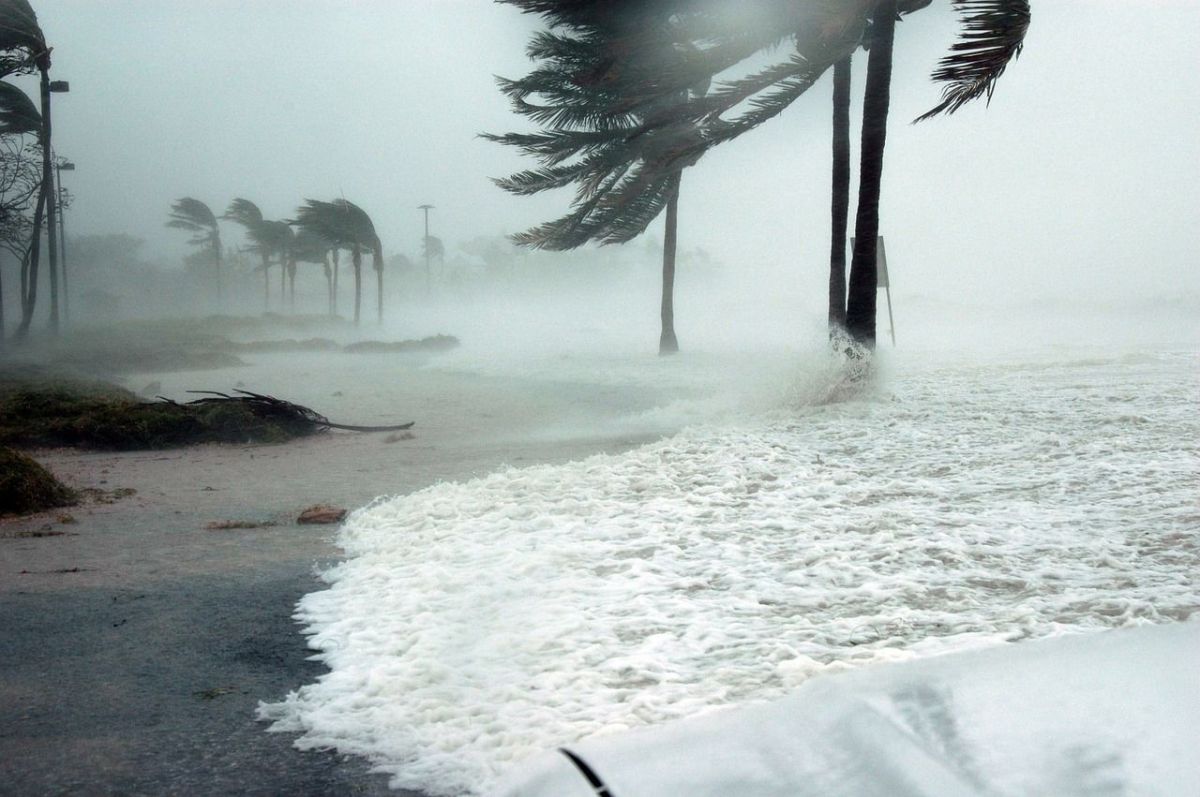
  • Wind (24%)
  • Water — Non-Weather-Related (20%)
  • Hail (16%)
  • Water — Weather-Related (11%)
  • Theft (6%)

Most Expensive Causes

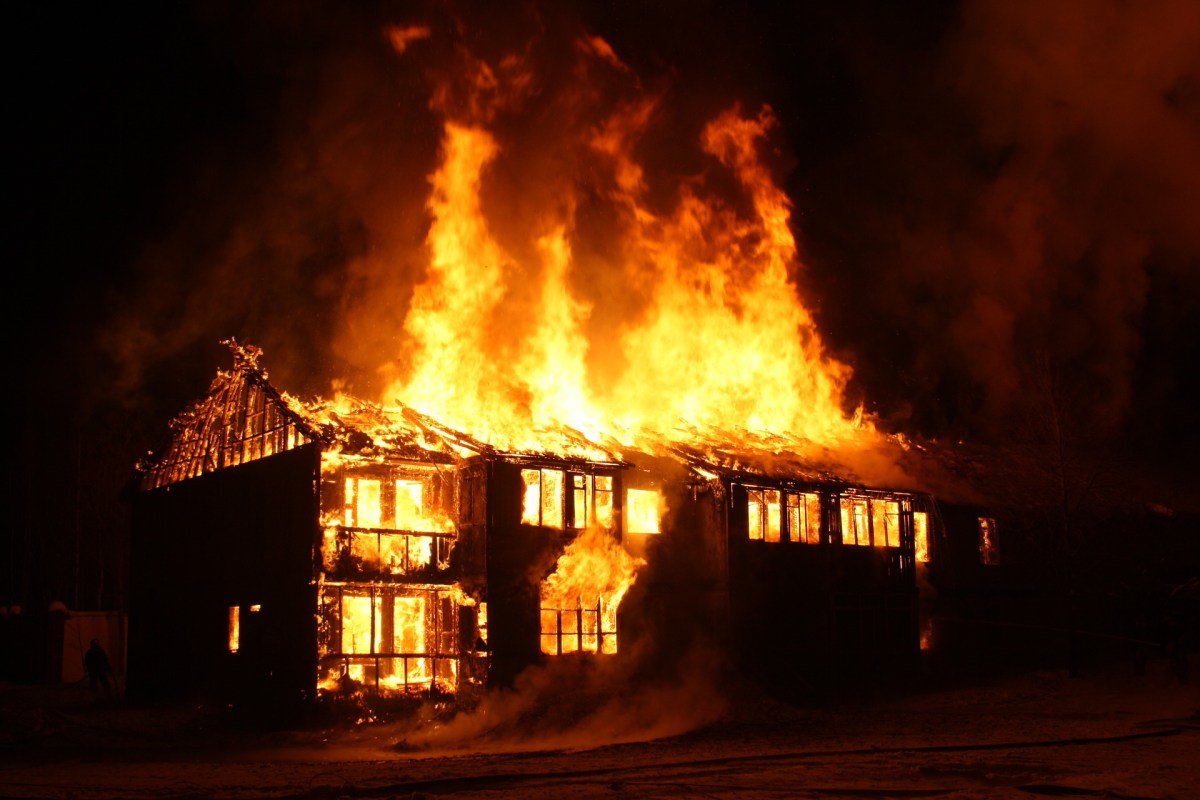
  • Fire (25%)
  • Hail (20%)
  • Water—Non-Weather-Related (17%)
  • Wind (17%)
  • Water—Weather-Related (7%)

The nationwide claims data was also analyzed by region and season. The results revealed just how much both can affect the risks facing homeowners.

Most Common Causes – Regional

  • Northeast: Wind (27%)
  • South: Wind (26%)
  • Midwest: Hail (28%)
  • West: Non-Weather-Related Water (28%)

Most Expensive Causes – Seasonal

  • Spring: Hail (38%)
  • Summer: Hail (22%)
  • Fall: Fire (35%)
  • Winter: Fire (30%)

Knowing the extent to which risks are influenced by time and place can prove invaluable when shopping for homeowners’ insurance. Not all regional risks are covered by standard homeowners’ policies. Some may require you to purchase a specific coverage endorsement. Others may exclude the risk outright.

Risks are also changing. In 2012, there were 35 magnitude 3+ earthquakes in Oklahoma. In 2015, there were 903. Weather-related losses made 2017 the costliest year ever. Hurricane Irma caused catastrophic flooding in parts of Texas that were not considered flood zones.

Many homeowners are facing new risks that may not be covered under their old insurance policies. Understanding these risks is the key to getting the right kind of insurance. Otherwise, your most valuable possession may not be covered.

Please contact us to learn more about obtaining adequate homeowners’ insurance coverage.

To receive regular updates about developments which may affect you, subscribe to Setnor Byer Insurance & Risk’s risk management news brief.

Lessons from Hurricane Irma

Hurricane Irma was an unprecedented storm that affected literally everyone in Florida. Most of us were either expecting or experiencing a direct hit. All of us were given at least a glancing blow. Even though the mess remains and recovery efforts are ongoing, it’s not too soon to share what we learned from Hurricane Irma.

Setnor Byer Insurance & Risk has been helping clients prepare for and recover from hurricanes for nearly 40 years, but Hurricane Irma was different. As the steadily intensifying storm made its way toward Florida, we received an unprecedented number of calls from clients asking about flood insurance for their homes and businesses. Why?

Obviously, everyone is concerned when a massive category 5 hurricane is heading their way, but there was another reason. We all saw the catastrophic flooding in Texas caused by Hurricane Harvey just a few weeks earlier. The damage was devastating. So was the news that nearly 80% of homeowners in the counties most directly affected by Hurricane Harvey did not have flood insurance.

According to the Federal Emergency Management Agency (FEMA), floods are the most common and costliest natural disaster. Unfortunately, too many businesses refuse to carry flood insurance simply because they are not located in a high-risk flood zone. Neither were a majority of those flooded by Hurricane Harvey.

Flood zones are always being remapped, but it’s a long process that can take years. Updated maps quickly become out-of-date. Moreover, the process of identifying property that is susceptible to flooding is not a perfect science. For example, flood zone determinations fail to adequately consider:

  • Localized drainage issues;
  • Long-term erosion;
  • Ongoing development;
  • Topographic variances on individual properties; or
  • The failure of flood control systems.

This is why every home and business should have flood insurance, regardless of whether they are located in a high-risk flood zone. Premiums are relatively affordable, particularly when you consider the risks assumed by a flood insurance policy, such as the:

  • Overflow of inland or tidal waters;
  • Collapse of land along a body of water from waves or currents; and
  • Rapid accumulation of surface waters from any source, including blocked storm drains and broken water pipes below the surface of the ground.

Even if the risk of flooding may not be particularly high for your home or business, this is also true of countless other risks covered by insurance policies. Yet, many would never go without insurance to cover their personal homes and cars. Just like they wouldn’t consider going go without general liability insurance, professional liability insurance, employment practices liability insurance or commercial auto insurance to protect their businesses.

Uninsured flood damage can devastate any home or business, even those not located in high-risk flood zones. Over the course of just a few weeks, we’ve seen the landfall of not one, not two, but three hurricanes that rank among the most powerful storms in recorded history.

Those relying on flood zone maps to justify their decision to not purchase flood insurance should seriously reconsider.

Please contact us to learn more about flood insurance for your home and business.

To receive regular updates, please subscribe to our weekly newsletters.

Special Insurance for Your Special Event

If you’re planning a wedding, anniversary, graduation party, Bar/Bat Mitzvah or other special event, consider adding insurance to your ‘to-do’ list. Special Events Insurance provides financial protection—just in case things don’t go as planned on that special day.

Perhaps the most popular feature of Special Events Insurance is cancellation / postponement coverage. If there is a necessary and unavoidable cancellation or postponement, this insurance covers deposits and other amounts paid or owed for various event-related items, such as catering services, location and equipment rentals, accommodations, flowers, photographers, videographers and entertainment. Rehearsal dinners within 48 hours of a wedding may also be covered.

Not every cancellation or postponement is covered, like those resulting from the non-premature delivery of a child or a change of heart. Though normal weather conditions (heat, rain, snow) do not trigger coverage, cancellation or postponement caused by unanticipated extreme weather conditions, like hurricanes and tropical storms that developed after the policy’s inception date, may be covered. Cancellations or postponements caused by any known circumstance that might reasonably give rise to cancellation or postponement of the event are also not covered.

Special Events policies can also provide optional liability coverage, including host liquor liability coverage, to protect against bodily injury or property damage suffered during the event or at the reception. Though homeowners’ policies may provide some liability coverage, it’s better to keep event-related liability claims away from your homeowners’ insurance homeowners’ insurance company. Special Events policies also let you provide additional insured status, which is often required by event venues, but which may not be easy or possible under a homeowners’ policy.

Special Events policies can provide other valuable coverages, such as:

Additional Expense Coverage to pay unanticipated expenses that are incurred to avoid cancellation or postponement of the event if a vendor fails to provide contractually agreed upon items, services or locations.

Special Jewelry Coverage to pay for loss or damage to jewelry purchased or rented, but not borrowed, specifically for an honoree’s personal decoration or for exchange at the event by an honoree. The loss or damage must occur on the date of the event date or within seven days prior to the event. Any thefts must be reported to the police as soon as reasonably practicable. Mysterious disappearances are not covered.

Photograph and Video Coverage to pay reasonable expenses to take or retake event photographs or video in a comparable setting if, for example, the professional photographer or videographer fails to appear at the event or the originals are lost or damaged prior to delivery.

Event Gifts Coverage to pay for loss or damage to gifts that occurs at or before the event.

Special Attire Coverage to pay the cost of replacing or repairing clothing, headwear or shoes purchased or rented, but not borrowed, by the honoree (bride, groom, etc.) specifically for the event. Watches, jewelry or precious or semi-precious gemstones or pearls are not covered.

When shopping for Special Events Insurance, pay special attention to coverage exclusions that may be relevant to your situation, such as those relating to pregnancy or other pre-existing medical conditions.

If you have any questions or would like to learn more about Special Events Insurance, please contact us.

If you’d like to subscribe to our weekly newsletters, please click here.

Have You Outgrown Your Insurance?

They say change is the only constant in life. Chances are you’ve already experienced some of life’s bigger changes, like marriage, childbirth, a new job, house or car, becoming an ‘empty nester’ or retirement. Chances are you didn’t consider how these changes may have affected your insurance needs.

To be effective, insurance must match your situation. To make sure you haven’t outgrown your insurance, it’s a good idea to review your coverage at least once a year. Consider whether insurance changes are needed to keep up with any recent life changes. The following questions from the Insurance Information Institute can help you get started.

  • Have you gotten married? You may be entitled to marital status or multi-car premium discounts on your auto insurance. Your homeowners’ insurance may no longer be sufficient after merging two households under one roof.
  • Have you had a baby? New children need to be covered by health insurance and should be protected by life insurance.
  • Did your ‘baby’ get a driver’s license? Covering a teenager under a parent’s auto insurance policy is often cheaper than purchasing a separate policy. Discounts may also be available for good grades or driving school.
  • Have you switched jobs? New jobs often mean new fringe benefits, so identify which employer-provided coverages have been gained or lost, and adjust personal coverages accordingly. If income increases, coverage limits may also need to be increased.
  • Have you done extensive renovations on your home? Major home improvements, such as adding a new room, enclosing a porch or expanding a kitchen, may leave you under insured. Homeowners’ coverage limits may need to be increased to cover the increased value of your renovated home. New structures, like a gazebo, pool or hot tub, may not be covered under your current policy.
  • Did you buy a second home? The risk of loss may not only be greater in a second home, but completely different. Second homes may be harder to insure because they are often located in areas with specific risks (earthquakes, avalanches, floods, etc.) and vacant for long periods of time.
  • Have you acquired any new valuables (jewelry, electronics, fine art, antiques)? Standard homeowners’ policies offer limited coverage for highly valuable items, so a personal property floater or endorsement may be necessary.
  • Did you purchase any new toys? In addition to being valuable, items like boats, motorcycles and recreational vehicles can create potentially significant liability exposures that must be covered by insurance.

These questions can help avoid painful coverage gaps that are likely to occur when your life becomes too big for your insurance. They can also help save money when your insurance is too big for your life.

If you have any questions or would like to discuss how your insurance needs may have changed, please contact us.

If you’d like to subscribe to our weekly newsletters, please click here

Insuring Your Motorcycle

Motorcycle owners tend to be enthusiasts who have made riding an important part of their life, and their numbers are growing. According to the National Highway Traffic Safety Administration, the number of registered motorcycles has been steadily increasing for years. Given the inherent risks of riding, and the increasing popularity of very expensive bikes, all motorcycle owners, not just the new ones, must have sufficient insurance coverage to protect themselves and their motorcycles.

Many owners are often surprised to discover that motorcycles are not covered by standard personal automobile policies. Coverage under these policies is typically limited to “automobiles” and “motor vehicles” with at least four wheels, so motorcycle owners need a separate insurance policy. Though specific to motorcycles, these policies offer coverages similar to automobile insurance policies, such as:

Liability: Covers bodily injury and property damage to others for which the motorcycle owner is responsible. This coverage does not pay for the motorcycle owner’s own bodily injury or property damage.

Collision: Covers damage to your motorcycle caused by a collision with another object, such as a motorcycle, car, tree or fence. This type of coverage is typically required by finance companies.

Comprehensive: Covers losses caused by something other than a collision, such as theft, vandalism, falling objects, fire and weather (wind, hail, etc.). This type of insurance coverage is also known as Comp or Other-Than-Collision coverage.

Uninsured/Underinsured Motorist: Covers bodily injury and property damage caused by another who is uninsured (no insurance) or underinsured (insufficient) insurance. This coverage allows a motorcycle owner to collect from his or her own insurance company.

Guaranteed Auto Protection (GAP): In the event of a loss, GAP coverage pays the difference between the actual cash value of the motorcycle and any outstanding balance due on a loan or lease.

Despite these similarities, there are some significant differences between motorcycle insurance and auto insurance. For example, Florida’s Motor Vehicle No-Fault law, which requires motorists to carry at least $10,000 of no-fault personal injury protection (PIP) insurance coverage, does not apply to motorcycles. However, Florida law requires at least $10,000 medical payments insurance coverage for those over the age of 21 who choose to ride without a helmet.

Here are a few things to keep in mind when shopping for motorcycle insurance:

  • Make sure coverage meets or exceeds applicable minimum insurance requirements, which may vary by state.
  • Motorcycles with customized parts or optional equipment worth more than a few thousand dollars will need additional accessory coverage.
  • Premium discounts may be available for completing a certified motorcycle safety training course.

Though motorcycle insurance is similar to auto insurance, it’s not the same. A reputable insurance agent with access to multiple companies can help find the right insurance coverage for you and your bike.

If you would like more information about motorcycle insurance, please contact us.

If you’d like to subscribe to our weekly newsletters, please click here.

Homeowners’ Insurance Claims: By the Numbers

Homeowners insurance is designed to protect against losses to your home and its contents, as well as liability for accidents that may occur on the property. Since the United States homeownership rate is nearly 65%, homeowners’ insurance is an important topic for many of us. To get a better understanding about the nature of homeowners’ losses and insurance claims, let’s take a look at some research compiled by the Insurance Information Institute.

  • Approximately 1 in 15 insured homes have a claim each year.
  • Wind and hail claims, which are experienced by approximately 1 in 30 insured homes each year, are the most frequent.
  • Claims related to fire, lightning or debris removal, which are experienced by approximately 1 in 230 insured homes every year, are the costliest.
  • Approximately 1 in 55 insured homes have a damage claim caused by water or freezing each year.
  • Approximately 1 in 190 insured homes have a theft claim each year.
  • Approximately 1 in 830 homeowners have a liability claim related to the cost of lawsuits for the bodily injury or property damage of others.

Loss Claims

Loss claims can be calculated in terms of frequency and severity. Claims frequency is the average number of claims filed per 100 policies. According to the Insurance Services Office (ISO), the most frequent homeowners’ loss claims are:

  • Wind and hail (3.37)
  • Water damage and freezing (1.79)
  • All other property damage (1.04)
  • Theft (.52)
  • Fire, lightning and debris removal (.43)
  • Bodily injury and property damage (.12)

Claims severity is the average amount paid for each claim. According to ISO, the most severe homeowners’ loss claims are:

  • Fire, lightning and debris removal ($34,306)
  • Bodily injury and property damage ($18,804)
  • Wind and hail ($7,307)
  • Water damage and freezing ($7,195)
  • All other property damage ($4,684)
  • Theft ($3,428)

Content Claims

The Content Claims Index shows the top contents categories of homeowners’ claims filed with approximately 300 insurers. The top categories, ranked by dollar value as a percent of total claims, include:

  • Jewelry (16%)
  • Electronics (13%)
  • Apparel (13%)
  • Furniture (10%)
  • Tools (5%)
  • Appliances (4%)
  • Sporting goods (3%)

Injury Claims

According to the National Safety Council (NSC), injuries requiring medical attention occur more often at home than in public places, in the workplace and motor vehicle incidents combined. In 2012, one in 16 people experienced an unintentional injury in the home that required medical attention. The NSC identified the following causes of the 63,000 deaths from unintentional home injuries in 2012:

  • Poisoning (50.5%)
  • Falls (28.1%)
  • Other (12.1%)
  • Fire, flames or smoke (4.1%)
  • Choking (3.7%)
  • Drowning (1.6%)

In addition to showing how claims happen, these statistics show that claims are likely to happen. Adequate homeowners’ or renters’ insurance is the key to recovering after a claim. An experienced and reputable independent insurance agent can help you identify those risks associated with your home and obtain the right insurance coverage to protect it.

If you have any questions or would like to see how Setnor Byer Insurance & Risk can help protect your home, please contact us.

Steps to Take After a Car Accident

People often say that driving or riding in a car is the most dangerous part of their day. Statistically speaking, many of these people may be right. According to the National Highway Traffic Safety Administration (NHTSA), there were approximately 5.6 million police-reported motor vehicle crashes, 2.1 million injuries and 22,912 fatalities in 2012. Despite these sobering statistics, drivers can take steps after an accident to minimize the damage to people and property.

According to the Insurance Information Institute, drivers should take the following steps immediately after an accident:

Assess the Damage. Immediately after an accident, safely move the vehicle off the road, if possible, and check to see if anyone is injured. When it’s safe to do so, inspect the vehicle to determine the extent of any damage.

Call the Police. If you are in a serious accident, immediately call the police or dial 911. Let them know if anyone is hurt and the extent of their injuries so medical assistance can be dispatched. File a police report even if the police don’t come to the scene of the accident. A report can be important if someone involved in the accident sues for damages or medical injuries, or if there is more damage done to your car than initially thought. If the police do come to the accident scene, get the officers’ names and badge numbers and ask where you can get a copy of their report.

Collect as much information as possible. Get the names and contact information of everyone involved in the crash, including witnesses. Ask all drivers involved in the accident for their license, car registration and insurance ID card. Get the make and model of the cars involved, and make a note of the location, time of day and the weather conditions. A smart phone or other device can be used to record this information. Though emotions may be running high after an accident, focus on the facts and do not discuss who was at fault, or how much insurance you have, with anyone else involved in the accident.

Don’t leave the scene. If you run into an unattended vehicle, try to find the owner. If you can’t, leave a note containing your name, address and phone number.  Record the details of the accident, including the make and model of the car and the address where the accident occurred.

Get the claims process started. Promptly notify your automobile insurance company or agent as soon as possible while the facts are still fresh in your mind. Keep a record of the name, title and contact information for everyone you speak with from your insurance company. Complete any claim forms you receive as soon, and as accurately, as possible. If you have any questions, don’t be afraid to ask the claims adjuster or your insurance agent for assistance.

Keep all documentation. Create a file to keep all of your notes, records and claim forms. This can make the process of resolving your claim quicker and easier.

Taking steps before an accident can also make it easier to recover afterward. It’s important to have appropriate insurance coverage with sufficient limits. If you would like more information about obtaining automobile insurance that meets your needs, please contact us.

If you would like to subscribe to our newsletters please click here.

Settling Insurance Claims: Good Faith or Bad Faith?

Insurance companies have a general duty of good faith when settling the claims of their policyholder. This duty of good faith can come from statute, common law, or both. For example, in addition to having a common law duty of good faith, insurance companies in Florida have a statutory duty to act fairly and honestly toward their insureds. Insurance companies that fail to act in good faith may end up in court defending a claim for bad faith.

Contrary to what many believe, it’s not bad faith for an insurance company to deny a claim that is not covered under a policy or to defend a claim subject to a reservation of rights. So what does it mean to act in good faith? According to one court, the duty of good faith requires insurance companies to investigate the facts, give fair consideration to settlement offers that are not unreasonable, and settle, if possible, where a reasonably prudent person, faced with the prospect of paying the total recovery, would do so.

Those damaged by an insurance company’s failure to act in good faith may be able to sue the insurance company for bad faith. Bad faith claims can be first-party or third-party.

A first-party bad faith claim occurs when an insurance company is sued by its insured for refusing to settle the insured’s own claim in good faith. First-party claims typically involve allegations that the insurer improperly denied coverage, underpaid a loss or delayed payment without adequate justification. A common example of a first-party bad faith claim is when an insured is involved in an accident with an uninsured motorist and does not reach a settlement with his or her own uninsured motorist liability carrier for costs associated with the accident.

A third-party bad faith claim arises when an insured is exposed to liability in excess of insurance coverage because the insurer failed in good faith to settle a third party’s claim against the insured within policy limits. Third-party bad faith claims often arise in situations where there is clear liability on the part of the insured, severe injury to the third party, and minimal policy limits available.

Assume, for example, an insured with $100,000 of automobile liability coverage runs a red light and injures a pedestrian. Despite the pedestrian’s significant injuries and the insured’s clear fault, the insurance company rejects the pedestrian’s reasonable $90,000 settlement offer. The pedestrian goes to court and is awarded $200,000 in damages. By failing to act in good faith and settle the case within the $100,000 policy limit, the insured is liable for the excess judgment amount of $100,000.

In this example, the insured could file a third-party bad faith claim against its insurance company. The injured pedestrian may also be able to sue the insurance company, either directly if permitted by applicable law, or through an assignment of the insured’s rights. Note that in some jurisdictions insurance companies are entitled to notice before a lawsuit can be filed. In Florida, for example, those wanting to file a bad faith claim must give the insurance company 60-days’ notice before filing a lawsuit.

The claims settlement process can be long, complicated and stressful, even when the insurance company is handling the process in good faith. Since bad faith claims, particularly those involving third parties, can be very complex, it helps to have a reputable and experienced insurance agent to guide you through the claims process.

If you have any questions or would like to discuss your insurance options, please contact us.

If you would like to subscribe to our newsletters please click here.

Is Jameis Winston’s Arm Worth $10 Million?

Jameis Winston purchased a $10 million disability and loss of value insurance policy, and Florida State is helping him pay for it.

While the exact cost for this insurance coverage is not certain, there is speculation that the university will be paying a $55,000 to $60,000 in annual premium.

The $10 million policy is split equally between a permanent disability and loss of value component. The permanent disability policy will allow Winston to collect if he is injured on the field and unable to play football again. The loss of value policy will allow him to collect a percentage if he should fall in the draft. Winston is projected to be selected in the first round in the 2015 draft: possibly No. 1 if he declares following his redshirt sophomore season.

Florida State will be paying the premium from its Student Assistance Fund which “shall be used to assist student-athletes in meeting financial needs that arise in conjunction with participation in intercollegiate athletics, enrollment in an academic curriculum or that recognize academic achievement.”

Universities have rarely used the fund to help pay loss of value insurance policy, but this unorthodox use of the fund may help Florida State keep their star quarterback for the 2015 season.

While your arm might not be worth $10 million, feel free to contact us for disability insurance.

If you’d like to subscribe to our weekly newsletters please click here.