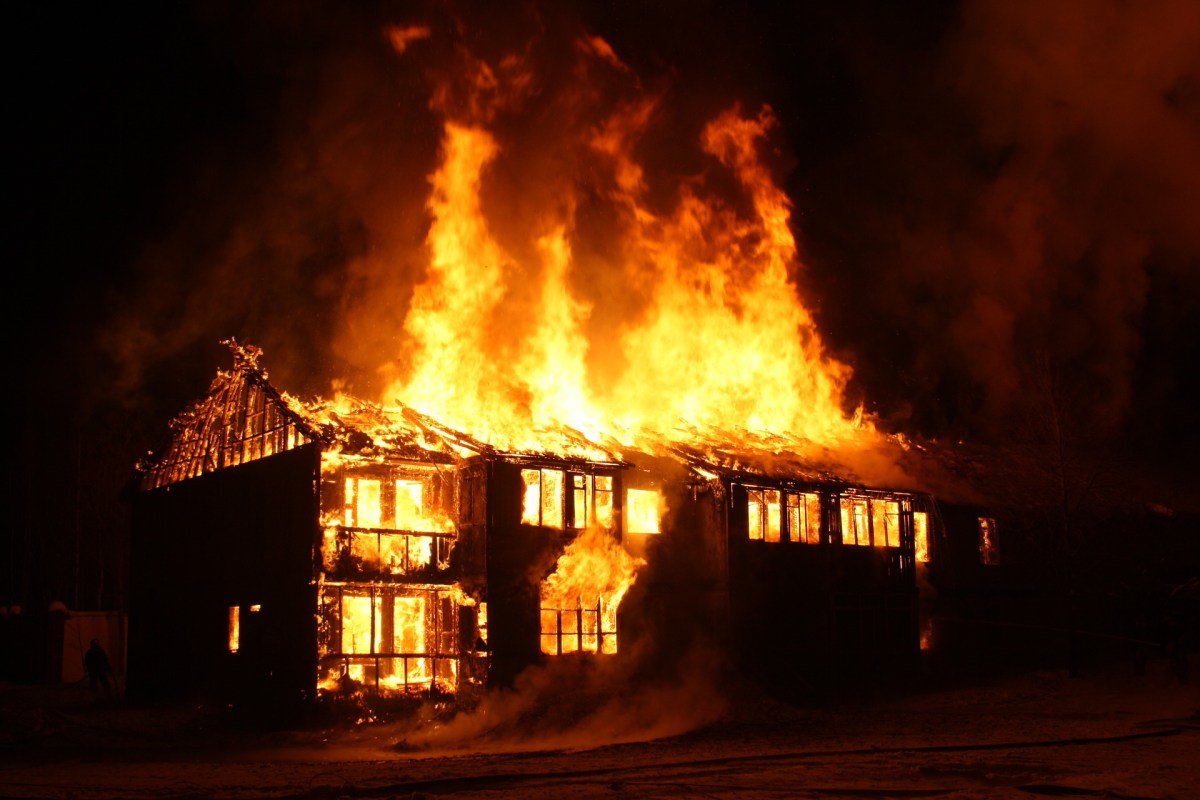
While it is yet too early to know the ultimate cost to the United States property/casualty insurance sector for 2017’s catastrophic losses, experts are in agreement that the storm, fire and flood events could cost US insurers as much as 100 Billion – making 2017 one of the costliest ‘catastrophe’ loss years in US history.
The Insurance Information Institute provides context to the referenced numbers by reporting that 2016 insured losses from natural disasters totaled north of 20 Billion, while 2015 approximately 15 Billion. These numbers consider personal and commercial properties, as well as direct and indirect insured losses, such as business interruption.
There is little disagreement that the 2017 catastrophes materially strained capital for many insurers, but there is little evidence to suggest that the insurers won’t recover, especially if they are able to replenish capital with premium increases, particularly on catastrophe-exposed risks with recent losses.
While it is a bit soon to accurately predict rate increases, early indications are that premiums may rise 10 to 20 percent for catastrophe-exposed risks and 20 to 25 percent for catastrophe-exposed risks with recent losses. Other property insurance buyers can expect flat rates or low single-digit increases.
At minimum, it is reported that insurers are retooling their catastrophe models in response to some of the unusual attributes of the 2017 hurricanes — namely, high wind speeds, significant rainfall and storm surge. This retooling will be particularly pronounced for coastal communities, including our very own Florida.
For insurance buyers, this may mean that the long, soft market which began 13 years ago and introduced substantial renewal rate decreases, is over, at least temporarily. Buyers can expect to see property premium increases as early as the 1st half of 2018, with the final quarters ushering in the largest hikes.
There is possibly some good news, despite projections of premium increases. According to Willis Towers Watson’s 2018 Marketplace Realities report, several factors could dampen the upward pressure on rates, including still-abundant capacity and what experts view as “still eager” alternative capital providers.
While it may still be unclear as to how insurers will respond to the 2017 losses, it is wise, nonetheless, for organizations and individuals to prepare for changing market conditions that are likely to make catastrophe prone properties the target of unfavorable pricing. To counter this, all positive risk characteristics of properties should be noted and negative characteristics should be addressed in order to ensure that insurance underwriters apply fair and actuarially sound pricing to the risk. More so than ever, it is critical to uncover the features that set a property ‘apart from the crowd.’
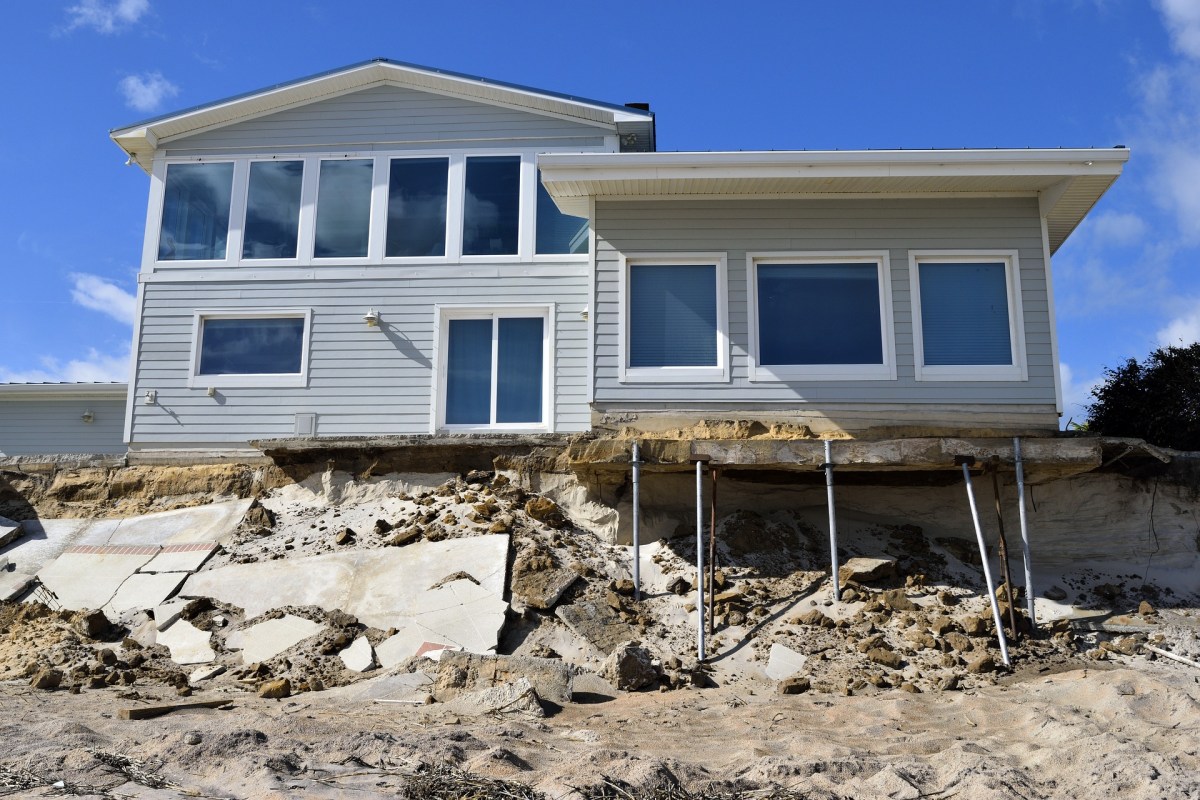
Those living in coastal communities exposed to high severity wind and flood events are urged to do all they can to fortify their properties against these risks so that insurance remains an affordable and viable risk financing instrument. These same property owners may want to consider what actions they can take, now and in the future, to address the Sea Level Rise (SLR) of 3” – 7” expected by 2030 and 9” – 24” expected by 2060.
Alec Bogdanoff, Ph.D., a resilience expert, noted, “A relatively small investment in storm hardening can generate a large return on investment by limiting the direct and indirect damage a property sustains from a weather or flood event. While insurance can finance a majority of direct property loss, insurance comes with the cost-sharing exposure of large deductibles and waiting periods. Additionally, an interruption of business, even if insured, can have long term consequences to the business’s reputation and perceived reliability. Resiliency is about how quickly one can bounce back from a disaster.”
Dr. Bogdanoff also stated that, ‘sea level rise, if addressed earlier rather than later, is a threat that can be managed. From driveway grading to service equipment placement above grade, minor improvements can substantially reduce the property damage caused by flood, surface runoff or tidal waters. It is anticipated that a private flood insurance market (versus the federally subsidized market), will continue to expand and offer an affordable insurance option, but only to those properties that have flood proofing features.’
And, for the remainder of the property/casualty marketplace:
- Casualty rates are predicted to be flat or increase by a small percentage.
- Commercial auto rates for businesses will maintain single-digit increases except for metropolitan areas of some states that are exposed to excess litigation and fraud.
- Workers’ compensation rates are expected to be stable in most states, with Florida benefiting from a rate reduction for most businesses. Unfortunately, this trend may reverse within a couple of years.
- All other lines of insurance pricing will be based upon sound underwriting practices that consider individual risk characteristics (-5% – +10%). This applies to Directors and Officers, Environmental and Cyber Risks.

 Setnor Byer Insurance & Risk