Does Homeowners’ Insurance Protect Airbnb and other Home-Sharing Hosts?

Most of us don’t care whether homeowners’ insurance covers claims caused by renters. After all, how many people actually rent their homes to strangers? As it turns out, a lot of people do. Home-sharing services have turned a growing number of ordinary homeowners into part-time innkeepers.

According to the Pew Research Center, 11% of American adults have used online home-sharing services like Airbnb or VRBO. Airbnb boasts of having over 3 million listings worldwide. This means that a lot of people really need to care about whether homeowners’ insurance covers claims caused by renters.

The Risks

Home-sharing is not without risk. For example, host homeowners face an increased exposure to:

  • Personal and structural property damage or loss.
  • Criminal activity, theft and vandalism.
  • Liability to guests for property damage or bodily injury that occurs on the premises.
  • Liability to third-parties for property damage or bodily injury caused by guests.

Standard Homeowners’ Insurance

Standard homeowners’ insurance policies don’t directly address home-sharing because it didn’t exist when these policies were created. Nevertheless, there are a number of long-standing provisions in standard policies that could limit or exclude coverage for the host homeowner.

  • Eligibility. Many policies are restricted to dwellings used exclusively for private residential purposes.
  • Property Coverage: Standard policies generally do not cover the theft of a host’s personal property from areas that are rented to guests. The same is true for a guest’s personal property. They can also limit coverage for appliances, carpeting and household furnishings in areas that are rented to others.
  • Liability Coverage: Standard policies don’t provide liability coverage for business conducted from the home, like renting your home guests.

As you can see, standard policies may not cover a host homeowner’s losses even though home-sharing is not expressly mentioned or excluded. These coverage gaps are common when standard (old) policies are used to insure non-standard (new) activities.

Unfortunately, the insurance industry doesn’t move as fast as the Airbnb’s and Über’s of the world. So, before joining the sharing economy, review your standard insurance policies carefully to identify any potential coverage gaps. If you’re not sure, ask an experienced insurance agent.

Please contact us to learn more about home-sharing host insurance coverage.

To receive regular updates about important insurance developments, subscribe to Setnor Byer Insurance & Risk’s weekly risk management news brief.

Have You Outgrown Your Insurance?

They say change is the only constant in life. Chances are you’ve already experienced some of life’s bigger changes, like marriage, childbirth, a new job, house or car, becoming an ‘empty nester’ or retirement. Chances are you didn’t consider how these changes may have affected your insurance needs.

To be effective, insurance must match your situation. To make sure you haven’t outgrown your insurance, it’s a good idea to review your coverage at least once a year. Consider whether insurance changes are needed to keep up with any recent life changes. The following questions from the Insurance Information Institute can help you get started.

  • Have you gotten married? You may be entitled to marital status or multi-car premium discounts on your auto insurance. Your homeowners’ insurance may no longer be sufficient after merging two households under one roof.
  • Have you had a baby? New children need to be covered by health insurance and should be protected by life insurance.
  • Did your ‘baby’ get a driver’s license? Covering a teenager under a parent’s auto insurance policy is often cheaper than purchasing a separate policy. Discounts may also be available for good grades or driving school.
  • Have you switched jobs? New jobs often mean new fringe benefits, so identify which employer-provided coverages have been gained or lost, and adjust personal coverages accordingly. If income increases, coverage limits may also need to be increased.
  • Have you done extensive renovations on your home? Major home improvements, such as adding a new room, enclosing a porch or expanding a kitchen, may leave you under insured. Homeowners’ coverage limits may need to be increased to cover the increased value of your renovated home. New structures, like a gazebo, pool or hot tub, may not be covered under your current policy.
  • Did you buy a second home? The risk of loss may not only be greater in a second home, but completely different. Second homes may be harder to insure because they are often located in areas with specific risks (earthquakes, avalanches, floods, etc.) and vacant for long periods of time.
  • Have you acquired any new valuables (jewelry, electronics, fine art, antiques)? Standard homeowners’ policies offer limited coverage for highly valuable items, so a personal property floater or endorsement may be necessary.
  • Did you purchase any new toys? In addition to being valuable, items like boats, motorcycles and recreational vehicles can create potentially significant liability exposures that must be covered by insurance.

These questions can help avoid painful coverage gaps that are likely to occur when your life becomes too big for your insurance. They can also help save money when your insurance is too big for your life.

If you have any questions or would like to discuss how your insurance needs may have changed, please contact us.

If you’d like to subscribe to our weekly newsletters, please click here

National Flood Insurance Program Reform

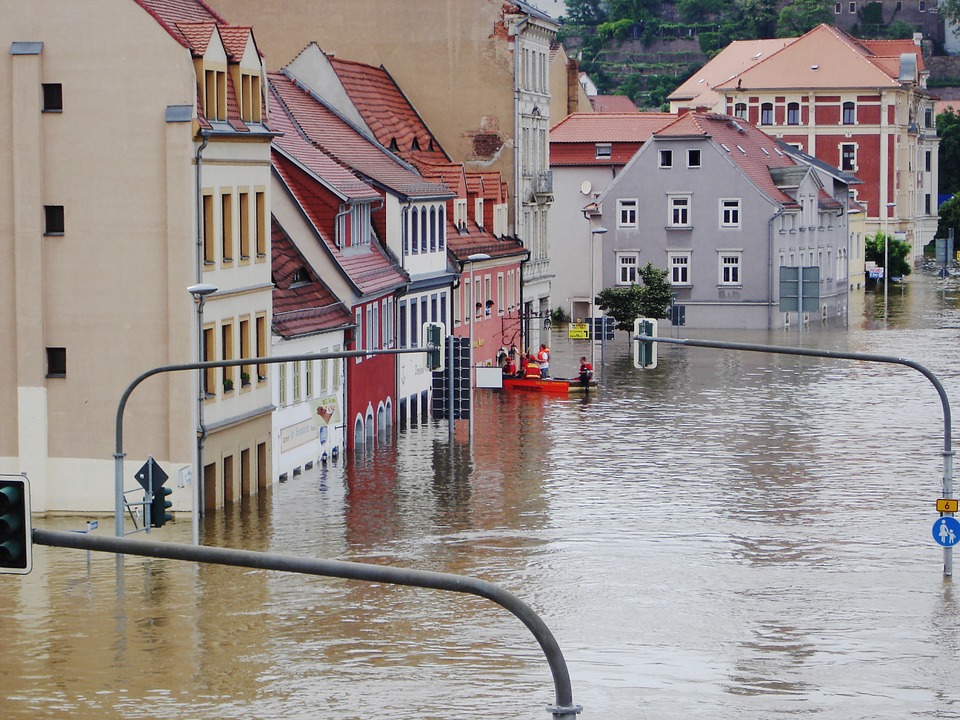
Many people don’t realize that flooding is the most common natural disaster in the United States. In the past 5 years, all 50 states have experienced floods. According to the Federal Emergency Management Agency (FEMA), total flood claims average nearly $4 billion per year. The average flood claim is nearly $42,000.

Unfortunately, many people also don’t realize that standard homeowners’ and renters insurance policies do not cover flood damage, and that they need a separate flood insurance policy. These policies are commonly obtained through the National Flood Insurance Program (NFIP). Though created by Congress in 1968, recent legislation is reforming the NFIP.

The Homeowner Flood Insurance Affordability Act of 2014 (HFIAA), which repeals and modifies the Biggert-Waters Flood Insurance Reform Act of 2012, will slow some flood insurance rate increases and offer relief to some policyholders who experienced steep flood insurance premium increases in 2013 and early 2014. Flood insurance rates and other charges will be revised for new or existing policies beginning on April 1, 2015.

HFIAA requires gradual rate increases to properties now receiving artificially low (or subsidized) rates instead of immediate increases to full-risk rates. Implementation of the rate changes is subject to a rate-increase limitation of 18% for individual premiums and 15% for average rate classes.

HFIAA also slowed the elimination of subsidies provided for in Biggert-Waters and amended most of the provisions mandating that certain policies transition immediately to higher full-risk rates. To compensate for the decrease in revenue, HFIAA calls for the addition of a surcharge on all policies. This surcharge, which also applies to renters’ contents-only policies, is a flat fee based on occupancy type rather than a building’s flood zone or construction date.

  • Primary Residential (single-family / individual condominium units): $25
  • Non-Primary Residential (single-family / individual condominium units): $250
  • Multifamily Residential (condominium and other buildings): $250
  • Non-Residential: $250

Under HFIAA, the maximum deductible for a flood insurance policy will increase to $10,000 for single-family and two- to four-family dwellings. If used, the deductible must apply to both building and contents. For single-family homes, choosing the maximum deductible will result in up to a 40 percent discount from the base premium. It is important to remember that using the maximum deductible may not be appropriate in every financial circumstance and may not be allowed by lenders to meet mandatory purchase requirements.

The Federal Policy Fee under HFIAA will increase by $1 for most policies. The fee for policies rated using the map change table will increase to $45. The fee for Preferred Risk Policies will remain $22.

Since the NFIP is in the process of implementing HFIAA-mandated reforms, the final picture is still a bit blurry. However, since floods are not only common, but costly, the need for flood insurance is quite clear.

If you have any questions or would like to learn more about protecting your homes, please contact us.

If you’d like to subscribe to our weekly newsletters, please click here.

Homeowners’ Insurance Claims: By the Numbers

Homeowners insurance is designed to protect against losses to your home and its contents, as well as liability for accidents that may occur on the property. Since the United States homeownership rate is nearly 65%, homeowners’ insurance is an important topic for many of us. To get a better understanding about the nature of homeowners’ losses and insurance claims, let’s take a look at some research compiled by the Insurance Information Institute.

  • Approximately 1 in 15 insured homes have a claim each year.
  • Wind and hail claims, which are experienced by approximately 1 in 30 insured homes each year, are the most frequent.
  • Claims related to fire, lightning or debris removal, which are experienced by approximately 1 in 230 insured homes every year, are the costliest.
  • Approximately 1 in 55 insured homes have a damage claim caused by water or freezing each year.
  • Approximately 1 in 190 insured homes have a theft claim each year.
  • Approximately 1 in 830 homeowners have a liability claim related to the cost of lawsuits for the bodily injury or property damage of others.

Loss Claims

Loss claims can be calculated in terms of frequency and severity. Claims frequency is the average number of claims filed per 100 policies. According to the Insurance Services Office (ISO), the most frequent homeowners’ loss claims are:

  • Wind and hail (3.37)
  • Water damage and freezing (1.79)
  • All other property damage (1.04)
  • Theft (.52)
  • Fire, lightning and debris removal (.43)
  • Bodily injury and property damage (.12)

Claims severity is the average amount paid for each claim. According to ISO, the most severe homeowners’ loss claims are:

  • Fire, lightning and debris removal ($34,306)
  • Bodily injury and property damage ($18,804)
  • Wind and hail ($7,307)
  • Water damage and freezing ($7,195)
  • All other property damage ($4,684)
  • Theft ($3,428)

Content Claims

The Content Claims Index shows the top contents categories of homeowners’ claims filed with approximately 300 insurers. The top categories, ranked by dollar value as a percent of total claims, include:

  • Jewelry (16%)
  • Electronics (13%)
  • Apparel (13%)
  • Furniture (10%)
  • Tools (5%)
  • Appliances (4%)
  • Sporting goods (3%)

Injury Claims

According to the National Safety Council (NSC), injuries requiring medical attention occur more often at home than in public places, in the workplace and motor vehicle incidents combined. In 2012, one in 16 people experienced an unintentional injury in the home that required medical attention. The NSC identified the following causes of the 63,000 deaths from unintentional home injuries in 2012:

  • Poisoning (50.5%)
  • Falls (28.1%)
  • Other (12.1%)
  • Fire, flames or smoke (4.1%)
  • Choking (3.7%)
  • Drowning (1.6%)

In addition to showing how claims happen, these statistics show that claims are likely to happen. Adequate homeowners’ or renters’ insurance is the key to recovering after a claim. An experienced and reputable independent insurance agent can help you identify those risks associated with your home and obtain the right insurance coverage to protect it.

If you have any questions or would like to see how Setnor Byer Insurance & Risk can help protect your home, please contact us.

The Risk of Fire Facing Homeowners

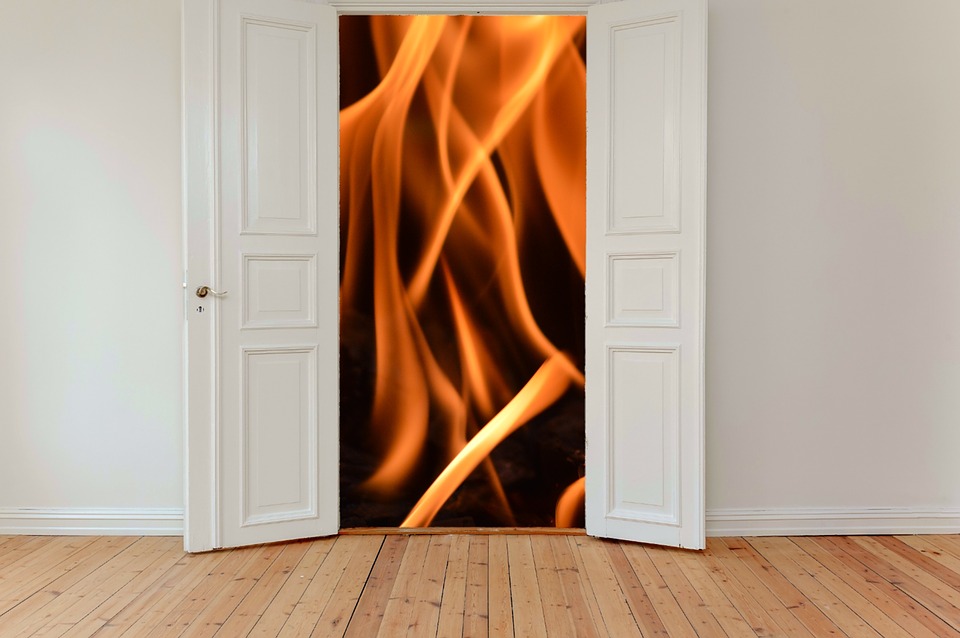
Though often overshadowed by hurricanes and earthquakes, fire remains one of the greatest risks facing homeowners. Consider the following:

  • U.S. fire departments responded to an estimated 1,375,000 fires in 2012
  • Residential fires caused 2,450 deaths and 13,900 injuries in 2011
  • On average, 7 people per day die in U.S. home fires
  • Home fires occur more frequently in the winter and on the weekends
  • Cooking is the leading cause of residential fires, followed by heating, electrical malfunction, unintentional/careless conduct, intentional and open flame

Statistics show that residential fires are not only becoming more frequent, but more expensive. According to FEMA’s U.S. Fire Administration, there were 364,500 residential fires in 2011 that caused over $6.5 billion in losses. To avoid becoming another statistic, homeowners must take effective protective measures, such as:

  • Installing smoke alarms, preferably those with both photoelectric and ionization sensors, on every level of your homeIand outside bedrooms, testing them monthly, replacing batteries yearly, and teaching children what they sound like and what to do when they hear it
  • Placing properly maintained fire extinguishers strategically throughout the home, and making sure children know where they are and how to use them
  • Maintaining and repairing electrical systems, such as wiring and outlets
  • Inspecting and cleaning chimneys, fireplaces, furnaces, etc. annually
  • Using appliances, especially space heaters properly
  • Cooking safely
  • Properly using and storing flammable materials

Since it is impossible to completely eliminate the risk, homeowners and renters should check with their insurance agent to make sure they are adequately insured in the event of a fire. In some cases, a personal property floater or ordinance and law coverage may be necessary.

If you would like more information about homeowners’ insurance or would like to discuss your insurance needs, please contact us.

If you would like to subscribe to our newsletters please click here.

Are You Ready for Halloween’s Scary Treats?

Halloween is here! Get ready for the costumes, parties, pranks, trick-or-treaters, candy and…the risk. Every year we are reminded how quickly Halloween celebrations can go wrong. Since cancelling Halloween is not an option, it is important to identify risks that can be controlled and insure against those that cannot.

Vehicle-Pedestrian Accidents

A study by the Centers for Disease Control and Prevention found that the number of childhood pedestrian deaths increased fourfold among children on Halloween. The following tips can limit the likelihood of being involved in a vehicle-pedestrian accident.

  • Slow down and be alert. Children may move in unpredictable and unsafe ways.
  • Take extra time at intersections. Pay attention to medians and curbs.
  • Enter and exit driveways slowly and carefully.
  • Eliminate distractions, such as cell phones and music.
  • Turn headlights on earlier in the day

Standard auto insurance policies would typically provide coverage for damage and liability resulting from a vehicle-pedestrian accident, subject to any policy exclusions.

Slips, Trips and Falls

Whether they are trick-or-treaters or party guests, people typically have more visitors than usual on Halloween. This means a higher risk of slip, trip and fall accidents and liability. To prevent accidents:

  • Keep areas well-lit.
  • Remove all objects that could cause children or guests to slip, trip or fall.
  • Make sure Halloween decorations don’t create a hazard.
  • Repair any broken walkways, sidewalks, driveways, paths and steps.
  • Warn visitors of, and clearly mark, any hazards that cannot be removed or repaired.
  • Keep pets inside and away from guests and trick-or-treaters.

If a guest is injured, standard homeowners’ and renters’ policies will typically provide coverage in the event of a lawsuit. These policies may also provide an injured guest with medical coverage, which may help avoid a lawsuit.

Fire

The National Fire Protection Association says that Halloween ranks among the top 5 days of the year for candle-related fires. The NFPA also found that decorations, like jack-o-lanterns, are often the items first ignited in home fires. To prevent fires:

  • Don’t leave candles unattended and keep them away from flammable materials.
  • Make sure decorations and costumes are flame resistant.
  • For decorations requiring electricity, make sure plugs, wires and cords are not damaged and are used properly.

Fires caused by candles or decorations will typically be covered under standard homeowners’ and renters’ policies.

Vandalism

Homes and vehicles are often damaged by mischievous or malicious trick-or-treaters. To limit the risk:

  • Keep areas well-lit.
  • Move items indoors or to another location.

Vandalism damage that exceeds the deductible will typically be covered under standard homeowners’ and renters’ policies. If a car is vandalized, the comprehensive portion of an auto insurance policy should cover the damage.

If you would like more information about identifying and insuring against various risks, please contact us.

If you would like to subscribe to our newsletters please click here.

Insurance Agent Experiences the Need of Insurance Firsthand

One of the most common phrases you’ll hear from an insurance agent is don’t wait until it happens to you to get coverage.

On Sunday, February 3rd our very own agent, Pamela Malfavon, noticed smoke coming from the balcony below her 6th floor apartment at Midtown 24. When she looked down and saw that there was a fire, she immediately called 911 to report it. Afterward, she went downstairs to alert a Midtown 24 employee that there was a fire in the building.

The fire was put out before causing any severe damage, and fire fighters speculated that it may have been caused by a cigarette or a candle. Even more of a mystery to all tenants is who will pay for the damage to the building and is the property that was lost in the fire covered?

The damage to the exterior of the building would be covered by Midtown 24’s Property Insurance. However, this policy does not cover any damage to an individual’s property. That would have to be covered under a tenant’s insurance policy IF they opted-in for coverage.

Most apartment complexes require their tenants to purchase renter’s insurance to protect the landlord against injuries to visitors and guests. Additionally, these policies will reimburse the landlord for damages sustained to the interior structure of the tenant’s unit. Let’s hope Midtown 24 secured appropriate proof of insurance for the tenant on the 4th floor!

This still leaves the question of the property lost in the fire. Many tenants overlook or minimize the value of their personal belongings, such as furniture and electronics, and decline the option to protect their contents. These belongings, if insured, will be protected against:

  • Water Damage
  • Fire Damage
  • Vandalism or Theft
  • Falling Objects
  • And many more


Contact us. 

If you’d like to subscribe to our weekly newsletters please click here.

Using Rental Agreements to Limit Liability Exposures Facing Self-Storage Facilities

As with any business, self-storage facilities must take affirmative steps to protect the bottom line. Unfortunately, too many self-storage facilities overlook perhaps the most important and effective step of all–using the rental agreement to limit their liability exposure.

Though it is virtually impossible to completely insulate a business from liability, there are various contractual provisions that are designed to eliminate, or at least limit, the exposures faced by self storage facilities. The challenge is to ensure contractual provisions are drafted in a manner that comports with a facility’s particular situation and business practices, as well as any applicable laws.

Though situational and jurisdictional variations typically undermine the effectiveness of boilerplate or one-size-fits-all templates, self-storage facilities should consider incorporating some or all of the following protections in their rental agreements.

Limitation and Release of Liability

A limitation of liability clause is designed to contractually allocate each party’s risk in reasonable proportion to the benefits derived from the contractual relationship. Without such a clause, a self-storage facility may suffer liabilities that far exceed revenue. The overall purpose of the clause is to clarify and establish that the property is being stored at the sole risk of the tenant.

Depending on the circumstances, different approaches can be taken when drafting a limitation of liability clause. For example, a clause may place a maximum limit on the value of property that a tenant may store in a unit, or it may provide that the parties agree to a fixed value for the property, which can be based on weight, size, or some other factor. Another option is to limit the liability of a self-storage facility to the amount of rent paid by the tenant.

In addition to limiting liability, a rental agreement should stipulate that the tenant has agreed to release the facility from liability in the event of loss or injury. A release provision must be drafted clearly and must state that the release of liability applies to the tenant and to any person authorized to enter the premises by the tenant. To provide the broadest applicability, the release of liability should cover injuries or losses regardless of whom or what is involved.

It is important to understand that the extent to which a party may contractually limit or be released from its liability may be restricted, or otherwise governed, by various state laws. Contractual provisions designed to release a party from the damages caused by its own negligence, or exculpatory clauses, illustrate this point.

Florida and Connecticut courts have held that although exculpatory clauses are disfavored, they will be enforced if properly drafted. An exculpatory clause must clearly and unequivocally state that it releases a party from liability for its own negligence so that an ordinary and knowledgeable party will know what he or she is contracting away. Though some courts state that using the word “negligence” is not necessarily required, it is advisable to do so.

For example, in enforcing an exculpatory clause in a personal injury case, the Supreme Court of Connecticut relied on the fact that the agreement “refers to the negligence of the defendants three times and uses capital letters to emphasize the term “negligence.”

In New York, however, a state statute requires that such a provision be treated differently by the courts when a contract involves real property. Pursuant to this statute, a contractual provision exempting a landlord from liability for the landlord’s negligence is deemed to be void as against public policy. So, even if the lease contained an exculpatory clause addressing the facility’s negligence, it would likely be deemed unenforceable in New York.

The lesson here is that since exculpatory clauses are disfavored, they must be tailored to apply to each specific situation and to comply with any applicable laws. Thus, the use of templates or boilerplate language increases the likelihood that such a clause will be unenforceable.

Indemnification and Hold Harmless

An indemnification provision requires a tenant to compensate the self-storage facility for any damages or losses caused by the tenant which the facility may be required to pay. For example, if a third-party is injured by a hazardous condition created by a tenant, or anyone authorized by the tenant to be on the premises, then the self-storage facility may be liable to that injured party. An indemnification provision would typically require a tenant to compensate the self-storage facility for whatever amount the self-storage facility is liable to the injured party.

A hold harmless provision stipulates that a tenant agrees not to hold the self-storage facility responsible for any loss, injury, or legal liability which is caused by the tenant, or anyone invited on the premises by the tenant, or which is otherwise related to the tenant’s occupancy. If, for example, a tenant is injured while using a dolly that is made available by the self-storage facility, then the hold harmless provision would prevent the tenant from recovering against the facility.

Since indemnification and hold harmless provisions have been described as different sides of the same coin, it is not uncommon for them to be combined into a single contractual provision. Accordingly, they should be drafted with care and in a manner that is consistent with applicable laws.

Insurance

Including a requirement that tenants insure their property accomplishes two goals. First, it provides a tenant with a primary source of compensation in the event of a loss. Second, it places the burden on the tenant to see that he or she is adequately protected in the event of a loss.

An insurance clause within a rental agreement may stipulate that tenants are required to obtain sufficient insurance to cover the value of all the property stored at the self-storage facility. To the extent a tenant fails or is unable to insure his or her property, the tenant would be deemed to have self insured, thereby making the tenant solely responsible for the loss. To increase the likelihood of protection in cases involving high-value property, a rental agreement may require a tenant to show proof of insurance if the value of the tenant’s stored property exceeds a specific amount.

To maximize the protection afforded by an insurance clause, the tenant must agree to waive any subrogation rights, thereby preventing the tenant’s insurance company from coming after the self-storage facility to recover amounts paid out for the tenant’s loss. Whenever a tenant obtains insurance, self-storage facilities should require and confirm that the tenant obtained a waiver of subrogation agreement from its insurance company.

Disclaim Existence of Bailment

Bailment is the temporary placement of control over, or possession of, personal property by one person (the bailor) into the hands of another (the bailee) for a designated purpose upon which the parties have agreed. Under the law of bailment, the bailee owes a duty of care to the bailor with regards to the property, and depending on the type of bailment, the duty of care owed to the bailee can be quite strict.

To avoid being held to a potentially strict standard of care, self-storage facilities should disclaim the existence of a bailment in their rental agreement. Since a bailment is a consensual transaction requiring mutual agreement by the parties, which can be created either expressly or impliedly, a rental agreement should expressly stated that no bailment is created under the agreement.

Additionally, since a general requirement of bailment is that the bailee obtains the right to exclusive use and possession of the property, a rental agreement should state that the self-storage facility does not take care, custody, or control of the tenant’s property. In a typical situation, a tenant should have exclusive control over his or her property, and provided the tenant is not in breach of the agreement, laws, or rules, the facility is not concerned with the kind of property stored by the tenant.

Disclaim Warehouseman Status

A warehouseman, or warehouse, is an individual who is regularly engaged in the business of receiving and storing goods of others in exchange for compensation. As with bailment, carrying the distinction of warehouseman establishes a standard of care that is owed to the owner of the property.

To avoid being held to such a standard of care, a rental agreement should expressly state that the self-storage facility is not a warehouse or a warehouseman engaged in the business of storing goods for hire. A self-storage facility should also refrain from acting in a manner that would be consistent with that of a warehouseman, such as issuing documents of title for the personal property.

In addition to the foregoing clauses, there are various other contractual provisions which are designed to limit the liability exposure faced by a self-storage facility, including clauses which:

  • prohibit the storage of heirlooms or other property with sentimental value;
  • restrict the types of property or uses of storage space to exclude inherently dangerous items or activities;
  • disclaim warranties;
  • clearly establish a facility’s rights in the event of a default;
  • incorporate a facility’s rules and regulations into the rental agreement, including any modifications thereto; and
  • waive the right to a jury trial in the event of a lawsuit.

When a lawsuit results from a tenant’s loss of property or bodily injury, a court will typically start with the rental agreement when determining each party’s respective rights and obligations. Thus, it is important to draft the rental agreement so that it provides the maximum protections allowable under applicable law.

However, since contractual provisions which limit a party’s liability are often the primary focus of litigation, courts will examine them closely before enforcing them against a tenant. Accordingly, it is best for a self-storage facility to retain an experienced attorney who is licensed in a particular jurisdiction to draft or review its rental agreement.

Setnor Byer’s Self-Storage Insurance Program and Risk Management Group work closely with self-storage facilities nationwide to profile risks, compare coverage options, and match our clients with an insurance program that meets their needs. If you would like more information, please contact us.


Do I Need Rental Car Insurance?

Even after learning that the mid-sized car he reserved was unavailable, Jerry Seinfeld did not hesitate when asked whether he would like to purchase insurance for the remaining rental car. “Yeah, you better give me the insurance because I’m gonna beat the hell out of this car.”

Though this dialogue is fictional, the situation is not. Unfortunately, many of those asked about rental car insurance simply do not know how to respond.

According to the National Association of Insurance Commissioners, 42% of those surveyed were either thoroughly confused or had only a rough idea about rental insurance. Thirty-four percent of those surveyed bought a rental car company’s insurance just to make sure they were covered. Thus, a significant number of people are making important decisions without knowing precisely what they are buying or what they are refusing. Needless to say, uninformed decisions involving insurance should be avoided.

Rental car companies typically present their customers with multiple options of additional coverage, including liability insurance, accident insurance, personal effects coverage, and collision damage waiver (CDW). The most common option is the CDW, which is also known as loss damage waiver. While not technically insurance at all, the CDW allows car renters to avoid any financial responsibility if a rental car is stolen or damaged. The CDW may also cover any loss of use fees, which are designed to cover the amount that rental car companies charge customers for every day a damaged or stolen rental car is out of service.

Determining whether any of these options should be purchased from the rental car company depends on each driver’s particular situation. If the correct decision is made, two things will happen: 1) the driver will not have any gaps in coverage, and 2) the driver will not have duplicate coverage. This is accomplished by determining whether any of the benefits offered by a rental car company’s products can be found elsewhere.

  • The most common sources of concurrent coverage for liabilities associated with a rental car are:Personal Automobile Insurance Policy. If a driver is already covered under a comprehensive and collision auto insurance policy, damage to the rental car may very well be covered. Any coverage would be subject to applicable limits, deductibles, and exclusions under the policy. The scope of coverage and any limitations should be confirmed with an insurance agent.
  • Personal Umbrella Liability Policy. A personal umbrella may provide coverage in the event of a loss involving a rental car. Any coverage would be subject to applicable limits, deductibles, and exclusions under the policy. For example, the care, custody, and control exclusion must have an exception for damages to non-owned vehicles that were not required by contract to be covered by insurance. The scope of coverage and any limitations should be confirmed with an insurance agent.
  • Credit Card. If used to pay for the rental car, a driver’s credit card may provide free rental coverage and other associated benefits. The credit card agreement should be reviewed carefully to clarify exactly what may or may not be covered, as well as any conditions to coverage.

In many instances, one or more of these resources may cover most or all of the obligations a driver assumes when he or she signs a rental car agreement. In such cases, rental car insurance, at least in part, would be redundant. Since rental car insurance is rarely free, and is often expensive, there is a strong financial incentive to avoid redundant insurance coverage.

The most important part of this process is confirming the absence of any gaps in coverage. For example, if a personal automobile insurance policy does not provide international coverage, then that policy cannot be relied on for international travel. Also, if a car is being rented for business use, then a personal umbrella may not provide coverage for an occurrence involving the rental car. Identifying coverage gaps requires a good understanding of the insurance policy or credit card agreement relied upon to provide coverage, and the scope of use of the rental vehicle.

Given the consequences of incorrectly expecting coverage under an existing insurance policy, it may be helpful to consult with an insurance professional before deciding whether to purchase or forego rental car insurance. The same recommendation also applies to credit card agreements and the protections afforded to those using the credit card to rent a car. Since rental car insurance products generate revenue for rental car companies, the rental counter may not be the best source of information or guidance.

Avoiding both gaps in coverage and duplicate coverage for potential rental car liability requires effort and inquiry on the part of a driver. However, since the cost of failing to prevent either or both of these situations could be significant, the effort is often justified.

If you have any questions, or if you would like an insurance quote, please contact us.

But I Don’t Own My Home! The Case for Renter’s Insurance

Renters often believe they have little in common with those who own their homes. While there are some significant differences between renting and owning, the need for insurance is not one of them. Indeed, renters and homeowners have very similar insurance needs. Unfortunately, many renters incorrectly believe that the need to insure their home vanished along with their obligation to maintain the lawn.

Unlike homeowners, renters are typically not required to insure the physical structure of the rental property since landlord’s often assume this responsibility. However, renters have valuable personal property that remains unprotected because it is not covered by the landlord’s policy. Renters also face possible liability if someone is injured on the rented premises. Since these risks are as harmful to renters as they are to homeowners, renters should obtain adequate insurance to protect against potentially devastating losses.

A renter’s insurance policy, also known as an HO-4 policy, covers damage or loss to personal property caused by various perils, including:

  • Fire, lightning, and smoke;
  • Windstorm and hail;
  • Explosion and volcanic eruption;
  • Riot, civil commotion, vandalism, and malicious mischief;
  • Damages caused by aircraft and vehicles;
  • Theft;
  • Falling objects;
  • Weight of ice, snow, and sleet;
  • Accidental discharge or overflow of water or steam from within plumbing, heating, air conditioning, or automatic fire suppression systems, or from household appliances;
  • Sudden and accidental tearing apart, cracking, burning, or bulging of a steam or hot water heating system, an air conditioning system, or an automatic fire suppression system;
  • Freezing of plumbing, heating, air conditioning, or fire suppression system, or of a household appliance;
  • Sudden and accidental damage from artificially generated electrical current.

Note that floods, earthquakes, and hurricanes are not included in this list of covered perils. If a renter lives in an area that is exposed to one or more of these perils, additional coverage must be obtained so that any property loss caused by one or more of these events is covered.

A typical renter’s policy also provides personal liability protection against liability claims and lawsuits brought by others for accidental bodily injury or property damage suffered while such person is in the rented property. If, for example, a person is injured from a slip-and-fall while in the rented property, the policy will cover the cost of any judgment and expenses resulting from the claim, up to the policy’s coverage limits.

Since these coverages provide invaluable security for many of the risks associated with renting a home, the decision to obtain renter’s insurance should be an easy one. Nevertheless, there are many factors that must be considered when purchasing renter’s insurance, including:

  • Amount of Coverage. The amount of coverage needed depends on the value of the personal property that needs to be covered. The amount selected must be enough to cover the value of the property to be covered.
  • Deductible. Since a higher deductible will decrease the premium, many purchasers are tempted to select the highest deductible available. However, since choosing a very high deductible may undermine the very purpose of the policy, purchasers should set the deductible at a rate that works with their financial situation.
  • Actual Cash Value (ACV) vs. Replacement Cost. When purchasing a policy, an insured will be given the option of selecting ACV or Replacement Cost coverage. ACV will pay what the item was actually worth at the time of the loss, whereas Replacement Cost will pay what it actually costs to replace the item. To understand the significance of the difference, consider a situation involving the theft of a computer that was purchased for $3,000 two years ago. If Replacement Cost is selected, the insured will receive enough money to purchase a comparable replacement. However, if ACV is selected, the insured will receive the actual value of the two year old computer, which will likely be significantly less than the $3,000 originally paid. As a result, an insured selecting ACV will likely not be able to purchase a replacement computer of similar quality.
  • Dog Ownership. Owning a dog may result in a premium increase to account for the perceived increase in risk associated with dog ownership. In fact, some companies will not offer coverage at all if certain breeds are owned.
  • Protective Items. Certain items, such as smoke detectors, monitored burglar alarms, sprinkler systems, fire extinguishers, and deadbolt locks, may either prevent a loss from occurring or limit the extent of the loss suffered during an occurrence. The existence or availability of these items may influence the policy form selected and the cost of the insurance.
  • Valuables. Some policies either limit or exclude coverage for high-priced items, such as jewelry. Depending on the nature of the personal property owned, separate policies or coverages may be required.

These are just some of the factors that must to be considered when purchasing renter’s insurance. Unfortunately, the general lack of understanding about renter’s insurance makes it increasingly difficult for many consumers to successfully navigate all of the available options and relevant factors. An individualized assessment of risks and circumstances is necessary to ensure that appropriate coverages are put in place.

While knowing the right answers is important when shopping for insurance, the real value lies in knowing the right questions. Without knowing what to look for, consumers may end up paying for unnecessary coverages, or worse yet, overlooking coverages they do need. Thus, a trusted and qualified insurance agent can be a valuable asset when shopping for insurance.

If you would like more information about purchasing renter’s insurance, or if you would like a quote, please contact us. Click here to go