
Did You Get the Text About Distracted Driving Awareness Month?

Did you know that April is National Distracted Driving Awareness Month? If not, it’s time to take notice. According to the National Highway Traffic Safety Administration, approximately 10% of crash fatalities and 18% of crash injuries involve distracted drivers. The consequences of distracted driving can be severe, and the problem only seems to be getting worse.

Distracted driving is any activity that could divert a person’s attention away from the primary task of driving. There are three general categories of driver distraction, all of which can endanger the safety of drivers, passengers and pedestrians:

  • Visual: Taking your eyes off the road.
  • Manual: Taking your hands off the steering wheel.
  • Cognitive: Thinking about anything other than driving.

Common driving distractions include:

  • Texting;
  • Using a smartphone;
  • Eating or drinking;
  • Talking to passengers;
  • Grooming;
  • Reading (maps, emails, etc.);
  • Using a navigation system;
  • Watching a video; and
  • Adjusting radios and CD/MP3 players.

Though all distractions can be dangerous, texting is by far the most alarming because it requires a driver’s visual, manual and cognitive attention. Unfortunately, the number of drivers engaging in this behavior has been steadily increasing, even though nearly every state has made it illegal.

  • 14 states have primary enforcement laws prohibiting the use of hand-held cell phones while driving, which allow an officer to cite a driver for using a hand-held phone without any other traffic offense taking place.
  • 46 states ban text messaging for all drivers, most through primary enforcement laws. A few states, like Florida, have secondary enforcement laws, so drivers cannot be stopped for texting unless another infraction, such as weaving or speeding, is also observed.
  • 38 states ban cell phone use by novice drivers.
  • We’re past the point of denying the consequences of distracted driving, particularly texting while driving. We know too much. Then why are we seeing more and more drivers focusing on their phones instead of the road?
  • Maybe it’s not enough to simply know the consequences of distracted driving. We must also truly understand them. If you don’t think there is a difference between the two, talk to someone who survived a crash caused by a distracted driver or the survivors of someone who didn’t.
  • It’s time for us to change our distracted driving ways. National Distracted Driving Awareness Month makes it the perfect time to start a new habit of avoiding (or at least reducing) driving distractions. It’s particularly important for parents to be vigilant with their driving-aged children. Young drivers and their young passengers need to hear about the dangers of distracted driving early and often.

Please contact us if you would like more information about protecting against the damage caused by distracted drivers.

For more tips and information about safe driving, subscribe to Setnor Byer Insurance & Risk’s weekly risk management news brief.
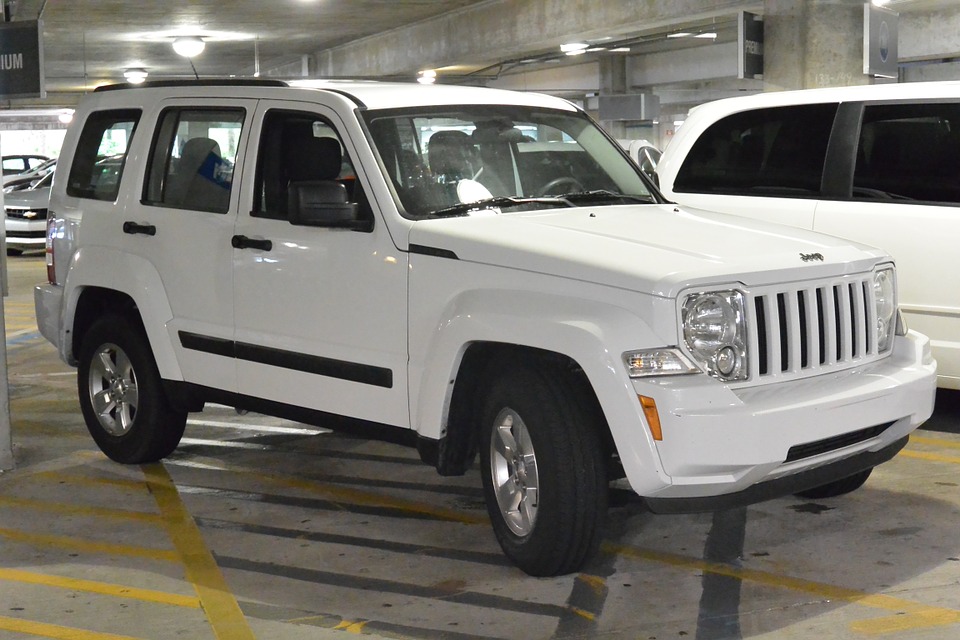
Do I Need Rental Car Insurance?

Even after learning that the mid-sized car he reserved was unavailable, Jerry Seinfeld did not hesitate when asked whether he would like to purchase insurance for the remaining rental car. “Yeah, you better give me the insurance because I’m gonna beat the hell out of this car.”

Though this dialogue is fictional, the situation is not. Unfortunately, many of those asked about rental car insurance simply do not know how to respond.

According to the National Association of Insurance Commissioners, 42% of those surveyed were either thoroughly confused or had only a rough idea about rental insurance. Thirty-four percent of those surveyed bought a rental car company’s insurance just to make sure they were covered. Thus, a significant number of people are making important decisions without knowing precisely what they are buying or what they are refusing. Needless to say, uninformed decisions involving insurance should be avoided.

Rental car companies typically present their customers with multiple options of additional coverage, including liability insurance, accident insurance, personal effects coverage, and collision damage waiver (CDW). The most common option is the CDW, which is also known as loss damage waiver. While not technically insurance at all, the CDW allows car renters to avoid any financial responsibility if a rental car is stolen or damaged. The CDW may also cover any loss of use fees, which are designed to cover the amount that rental car companies charge customers for every day a damaged or stolen rental car is out of service.

Determining whether any of these options should be purchased from the rental car company depends on each driver’s particular situation. If the correct decision is made, two things will happen: 1) the driver will not have any gaps in coverage, and 2) the driver will not have duplicate coverage. This is accomplished by determining whether any of the benefits offered by a rental car company’s products can be found elsewhere.

  • The most common sources of concurrent coverage for liabilities associated with a rental car are:Personal Automobile Insurance Policy. If a driver is already covered under a comprehensive and collision auto insurance policy, damage to the rental car may very well be covered. Any coverage would be subject to applicable limits, deductibles, and exclusions under the policy. The scope of coverage and any limitations should be confirmed with an insurance agent.
  • Personal Umbrella Liability Policy. A personal umbrella may provide coverage in the event of a loss involving a rental car. Any coverage would be subject to applicable limits, deductibles, and exclusions under the policy. For example, the care, custody, and control exclusion must have an exception for damages to non-owned vehicles that were not required by contract to be covered by insurance. The scope of coverage and any limitations should be confirmed with an insurance agent.
  • Credit Card. If used to pay for the rental car, a driver’s credit card may provide free rental coverage and other associated benefits. The credit card agreement should be reviewed carefully to clarify exactly what may or may not be covered, as well as any conditions to coverage.

In many instances, one or more of these resources may cover most or all of the obligations a driver assumes when he or she signs a rental car agreement. In such cases, rental car insurance, at least in part, would be redundant. Since rental car insurance is rarely free, and is often expensive, there is a strong financial incentive to avoid redundant insurance coverage.

The most important part of this process is confirming the absence of any gaps in coverage. For example, if a personal automobile insurance policy does not provide international coverage, then that policy cannot be relied on for international travel. Also, if a car is being rented for business use, then a personal umbrella may not provide coverage for an occurrence involving the rental car. Identifying coverage gaps requires a good understanding of the insurance policy or credit card agreement relied upon to provide coverage, and the scope of use of the rental vehicle.

Given the consequences of incorrectly expecting coverage under an existing insurance policy, it may be helpful to consult with an insurance professional before deciding whether to purchase or forego rental car insurance. The same recommendation also applies to credit card agreements and the protections afforded to those using the credit card to rent a car. Since rental car insurance products generate revenue for rental car companies, the rental counter may not be the best source of information or guidance.

Avoiding both gaps in coverage and duplicate coverage for potential rental car liability requires effort and inquiry on the part of a driver. However, since the cost of failing to prevent either or both of these situations could be significant, the effort is often justified.

If you have any questions, or if you would like an insurance quote, please contact us.