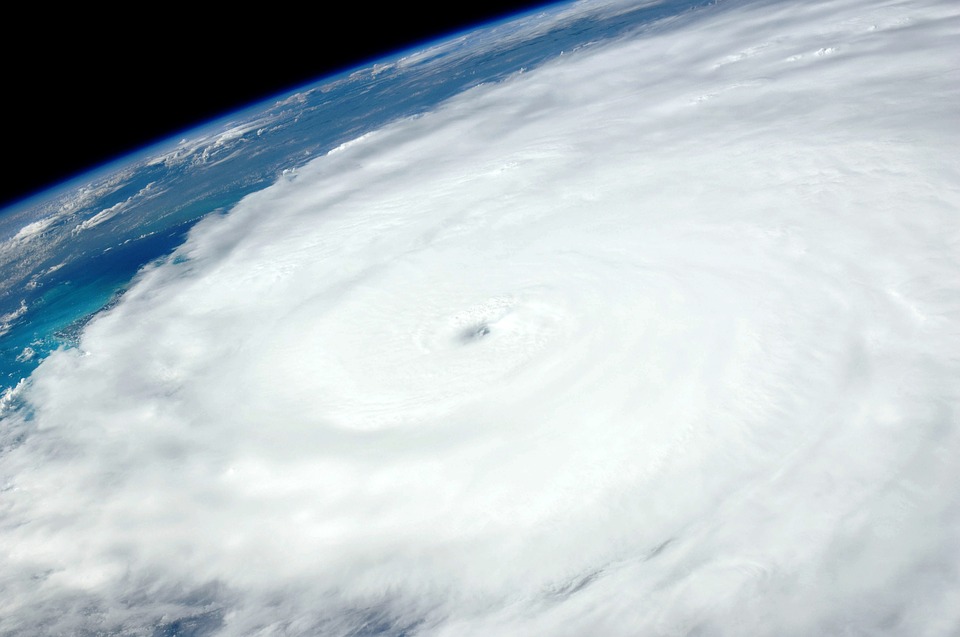
Lowering Your Hurricane Insurance Premium

Many homeowners believe that switching insurance companies is the only way to save on their windstorm (hurricane) insurance premiums. Unfortunately, companies with the lowest premiums may not have enough money to pay claims after a storm. Rather than buy insurance from an insurance company without the capital to pay losses, homeowners can reduce their premiums by taking advantage of wind mitigation credits.

Wind mitigation credits are premium discounts based on the ability of a home to tolerate strong winds without experiencing damage. According to one estimate, if homes were constructed in a manner beyond that which is currently required by building codes, the average losses per year would be reduced by over 70%. This is why increasing a structure’s wind resistance, or hardening, allows homeowners to save on their windstorm insurance premiums.

Homes built or retrofitted to incorporate specific mitigation features designed to increase wind resistance may qualify for wind mitigation credits. Insurance companies consider numerous factors when determining the availability and amount of wind mitigation credits, such as:

  • Roof Covering: Is the roof covered by shingles, clay tiles, metal, built-up tar, membrane, gravel or other material that meets or exceeds building codes?
  • Secondary Water Resistance (SWR): Is there a layer of protection between the roof covering and the roof decking (plywood, metal panels, etc.) that protects the home if the roof covering blows off?
  • Roof Deck Attachment: How is the roof decking connected to the roof trusses or rafters?
  • Roof-to-Wall Attachment: How are the walls connected to the roof trusses or rafters (toe nails, clips, single or double wraps, etc.)?
  • Roof Geometry: What is the shape of the roof (hip roof, flat roof, etc.)?
  • Opening Protection: How are openings, such as windows, doors and skylights protected against flying debris (shutters, hurricane glass, etc.)?

Mitigations features must meet very specific guidelines to qualify for credits. For example, the availability of a wind mitigation credit can depend on the size, spacing and number of nails used in the roof deck or roof-to-wall attachment. Credits will not be awarded unless there is strict compliance with applicable building codes, laws, regulations or standards.

The first step to getting a wind mitigation credit is to get the home inspected. Wind mitigation inspections, which typically cost less than $250 and take about an hour, are often done by licensed building inspectors, contractors, architects and engineers. However, since state laws and specific insurance company requirements may dictate who is qualified to perform wind mitigation inspections, be sure to confirm licenses and check references before hiring an inspector.

Those who do not qualify for one or more wind mitigation credits should consider the cost of hardening their homes and the anticipated savings. Since the amount of wind mitigation credit typically depends on various factors, including state laws and specific insurance company requirements, the assistance of a qualified insurance agent may be needed to estimate premium savings. If the math does not justify retrofitting, homeowners should keep wind mitigation credits in mind the next time general repairs are being done, such as roof and window repair or replacement.

If you would like to learn more about wind mitigation credits or windstorm insurance, contact us.

If you would like to subscribe to our newsletters please click here.

Insurance Agent Experiences the Need of Insurance Firsthand

One of the most common phrases you’ll hear from an insurance agent is don’t wait until it happens to you to get coverage.

On Sunday, February 3rd our very own agent, Pamela Malfavon, noticed smoke coming from the balcony below her 6th floor apartment at Midtown 24. When she looked down and saw that there was a fire, she immediately called 911 to report it. Afterward, she went downstairs to alert a Midtown 24 employee that there was a fire in the building.

The fire was put out before causing any severe damage, and fire fighters speculated that it may have been caused by a cigarette or a candle. Even more of a mystery to all tenants is who will pay for the damage to the building and is the property that was lost in the fire covered?

The damage to the exterior of the building would be covered by Midtown 24’s Property Insurance. However, this policy does not cover any damage to an individual’s property. That would have to be covered under a tenant’s insurance policy IF they opted-in for coverage.

Most apartment complexes require their tenants to purchase renter’s insurance to protect the landlord against injuries to visitors and guests. Additionally, these policies will reimburse the landlord for damages sustained to the interior structure of the tenant’s unit. Let’s hope Midtown 24 secured appropriate proof of insurance for the tenant on the 4th floor!

This still leaves the question of the property lost in the fire. Many tenants overlook or minimize the value of their personal belongings, such as furniture and electronics, and decline the option to protect their contents. These belongings, if insured, will be protected against:

  • Water Damage
  • Fire Damage
  • Vandalism or Theft
  • Falling Objects
  • And many more


Contact us. 

If you’d like to subscribe to our weekly newsletters please click here.

But I Don’t Own My Home! The Case for Renter’s Insurance

Renters often believe they have little in common with those who own their homes. While there are some significant differences between renting and owning, the need for insurance is not one of them. Indeed, renters and homeowners have very similar insurance needs. Unfortunately, many renters incorrectly believe that the need to insure their home vanished along with their obligation to maintain the lawn.

Unlike homeowners, renters are typically not required to insure the physical structure of the rental property since landlord’s often assume this responsibility. However, renters have valuable personal property that remains unprotected because it is not covered by the landlord’s policy. Renters also face possible liability if someone is injured on the rented premises. Since these risks are as harmful to renters as they are to homeowners, renters should obtain adequate insurance to protect against potentially devastating losses.

A renter’s insurance policy, also known as an HO-4 policy, covers damage or loss to personal property caused by various perils, including:

  • Fire, lightning, and smoke;
  • Windstorm and hail;
  • Explosion and volcanic eruption;
  • Riot, civil commotion, vandalism, and malicious mischief;
  • Damages caused by aircraft and vehicles;
  • Theft;
  • Falling objects;
  • Weight of ice, snow, and sleet;
  • Accidental discharge or overflow of water or steam from within plumbing, heating, air conditioning, or automatic fire suppression systems, or from household appliances;
  • Sudden and accidental tearing apart, cracking, burning, or bulging of a steam or hot water heating system, an air conditioning system, or an automatic fire suppression system;
  • Freezing of plumbing, heating, air conditioning, or fire suppression system, or of a household appliance;
  • Sudden and accidental damage from artificially generated electrical current.

Note that floods, earthquakes, and hurricanes are not included in this list of covered perils. If a renter lives in an area that is exposed to one or more of these perils, additional coverage must be obtained so that any property loss caused by one or more of these events is covered.

A typical renter’s policy also provides personal liability protection against liability claims and lawsuits brought by others for accidental bodily injury or property damage suffered while such person is in the rented property. If, for example, a person is injured from a slip-and-fall while in the rented property, the policy will cover the cost of any judgment and expenses resulting from the claim, up to the policy’s coverage limits.

Since these coverages provide invaluable security for many of the risks associated with renting a home, the decision to obtain renter’s insurance should be an easy one. Nevertheless, there are many factors that must be considered when purchasing renter’s insurance, including:

  • Amount of Coverage. The amount of coverage needed depends on the value of the personal property that needs to be covered. The amount selected must be enough to cover the value of the property to be covered.
  • Deductible. Since a higher deductible will decrease the premium, many purchasers are tempted to select the highest deductible available. However, since choosing a very high deductible may undermine the very purpose of the policy, purchasers should set the deductible at a rate that works with their financial situation.
  • Actual Cash Value (ACV) vs. Replacement Cost. When purchasing a policy, an insured will be given the option of selecting ACV or Replacement Cost coverage. ACV will pay what the item was actually worth at the time of the loss, whereas Replacement Cost will pay what it actually costs to replace the item. To understand the significance of the difference, consider a situation involving the theft of a computer that was purchased for $3,000 two years ago. If Replacement Cost is selected, the insured will receive enough money to purchase a comparable replacement. However, if ACV is selected, the insured will receive the actual value of the two year old computer, which will likely be significantly less than the $3,000 originally paid. As a result, an insured selecting ACV will likely not be able to purchase a replacement computer of similar quality.
  • Dog Ownership. Owning a dog may result in a premium increase to account for the perceived increase in risk associated with dog ownership. In fact, some companies will not offer coverage at all if certain breeds are owned.
  • Protective Items. Certain items, such as smoke detectors, monitored burglar alarms, sprinkler systems, fire extinguishers, and deadbolt locks, may either prevent a loss from occurring or limit the extent of the loss suffered during an occurrence. The existence or availability of these items may influence the policy form selected and the cost of the insurance.
  • Valuables. Some policies either limit or exclude coverage for high-priced items, such as jewelry. Depending on the nature of the personal property owned, separate policies or coverages may be required.

These are just some of the factors that must to be considered when purchasing renter’s insurance. Unfortunately, the general lack of understanding about renter’s insurance makes it increasingly difficult for many consumers to successfully navigate all of the available options and relevant factors. An individualized assessment of risks and circumstances is necessary to ensure that appropriate coverages are put in place.

While knowing the right answers is important when shopping for insurance, the real value lies in knowing the right questions. Without knowing what to look for, consumers may end up paying for unnecessary coverages, or worse yet, overlooking coverages they do need. Thus, a trusted and qualified insurance agent can be a valuable asset when shopping for insurance.

If you would like more information about purchasing renter’s insurance, or if you would like a quote, please contact us. Click here to go