Why Insurance Rates Increase?

Rate increases are necessary to maintain a company’s ability to pay out claims during the worst catastrophes. One of our Insurance Carriers, Tower Hill Insurance Group has created a great video explaining how and why insurance rates change. If you have any questions about your rates please contact us.

https://www.youtube.com/watch?v=LLV2RnToLME

Below please find the transcript from the video featured in this article.

Hi, this is Joel Curran coming from the Tower Hill Insurance Group, LLC offices in Gainesville, Florida, where we have been serving the insurance needs of Floridians for 40 years. Our customers are loyal – every year, more than 95% accept our renewal offer. More than 100,000 have been with us for 5 years or more.

Unfortunately, everyone has to endure rate increases. But you still think: “why did you increase my premiums? I live in the same house and the market value has declined, there were no hurricanes, and I haven’t had any claims.”

The simple answer is that we need more premiums to cover our costs. But before I give more detail, let me tell you about Good Faith and Spread of Risk. Insurance is a Good Faith contract which means in part that you pay us, and we promise to pay you for damage or injuries covered by the contract. We take that promise seriously. We need to be financially strong enough to pay claims especially if there is a catastrophe. I’ll tell you more about that in a minute.

The second principle is Spread of Risk. Two hundred years ago when Ben Franklin started the first mutual fire insurance company, insurance meant that a small group chipped in equally, and if one house burned down there was money for rebuilding it. But if only ten people paid in and there were two house fires in a year, there would not be enough money to rebuild both homes. But the bigger the group, the broader the spread of risk, and pretty soon you get to a large enough number that the risk is low compared to the number of insurance buyers. That makes the overall risk more predictable. The more predictable – the lower everyone’s contributions will be.

Florida homeowners have a higher-than normal risk. Our 1,300-mile coastline is longer than any state except Alaska. The narrow shape of Florida means even non-coastal areas are very exposed. Our love of being near the water comes with a cost. To spread the risk and keep insurance accessible to everyone, we have to spread the cost as well.

So, what are those costs? Your premium goes towards three main cost areas: First, we make sure we can pay claims. We set aside surplus funds, as well as claims reserves, and we make conservative investments to fund them. We never take a risk with your premiums by putting them into risky investments.

Second, we cover the cost of operating the company, which provides jobs for more than 350 people in Florida. Through sales commissions we also support local independent insurance agencies in every Florida county. In addition, we have to make sure that if there is a hurricane, our facilities can keep running at full capacity so we can be there when you need us most.

Third – and this may surprise you – the biggest cost is reinsurance. Reinsurance is exactly what it sounds like – insurance for insurers, to make sure we can cover catastrophic losses. Reinsurance spreads risk globally, meaning that homeowners around the world are actually helping fund claim payments if a hurricane makes landfall in Florida – which happened in 2004 and 2005– when we paid out more than $2 billion to repair homes in Florida due to 8 hurricanes.

By the same token, Florida’s contributions help fund recoveries in other states and countries. When you watch the weather channel and see tornados in Kansas, or monsoons in China, know that premiums paid by insurance buyers all over the world, including us in Florida, will help repair the damages.

Reinsurers need to be prepared for the worst, and Tower Hill Insurance Group, LLC buys only from the best, most stable reinsurers who have demonstrated year over year that they can fund the losses they insure. The bottom line on reinsurance is that, no matter how well we run our company and manage our investments, if Tower Hill Insurance Group, LLC were on our own to fund years like 2004 and 2005 we would have to charge premiums that are a multiple of what we charge now.

So back to your question, “why is my premium increasing THIS year”? Well, in determining rate changes every year, Florida insurers have to balance the need for keeping insurance rates competitive with the need for keeping their businesses stable and for buying reinsurance.

Recently, two things have contributed. In 2011, even though Florida had a mild year, the world had its worst year on record for weather catastrophes. Because their risk is spread globally, reinsurers are increasing their rates to recover. That rate increase is hitting Florida just like everywhere else. In addition, while the value of homes everywhere has drastically dropped, the cost of repairing and rebuilding has not dropped. When we pay property damage claims we expect to pay contractors a fair price for their work, so we need to collect premium accordingly.

We don’t take rate increases lightly, and we know you don’t either. We go through extensive analysis to determine the fairest rates, and we file our rate changes with the Office of Insurance Regulation who is charged with making sure rates are adequate, not excessive, and do not unfairly discriminate.

Hopefully what I have said makes sense to you. I want you to know that everything we do at Tower Hill Insurance Group, LLC is done to ensure peace of mind for our individual and commercial policy holders. Forty years of experience means we know how to make the right decisions to protect your interests, so stick with us and we’ll ride out any future catastrophes together.
Are You Ready for the 2013 Hurricane Season?

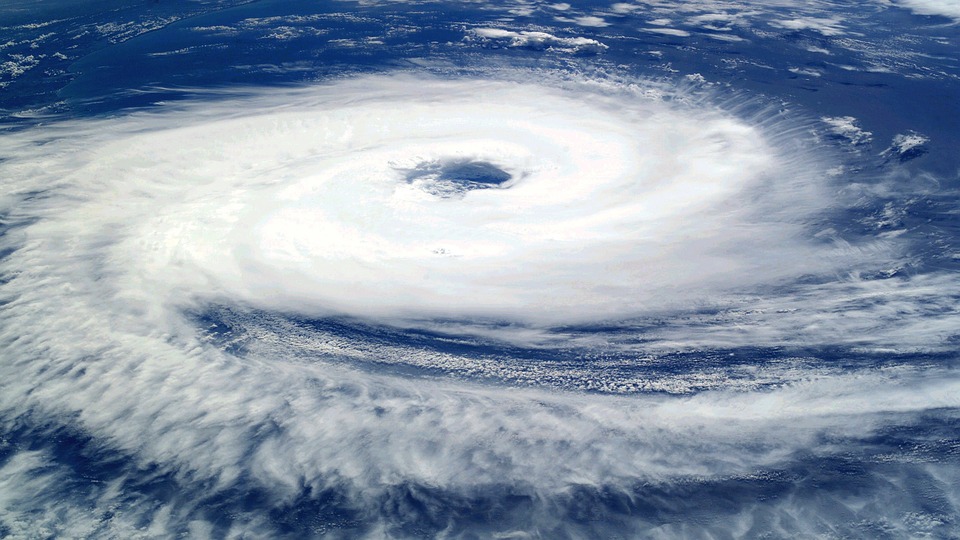
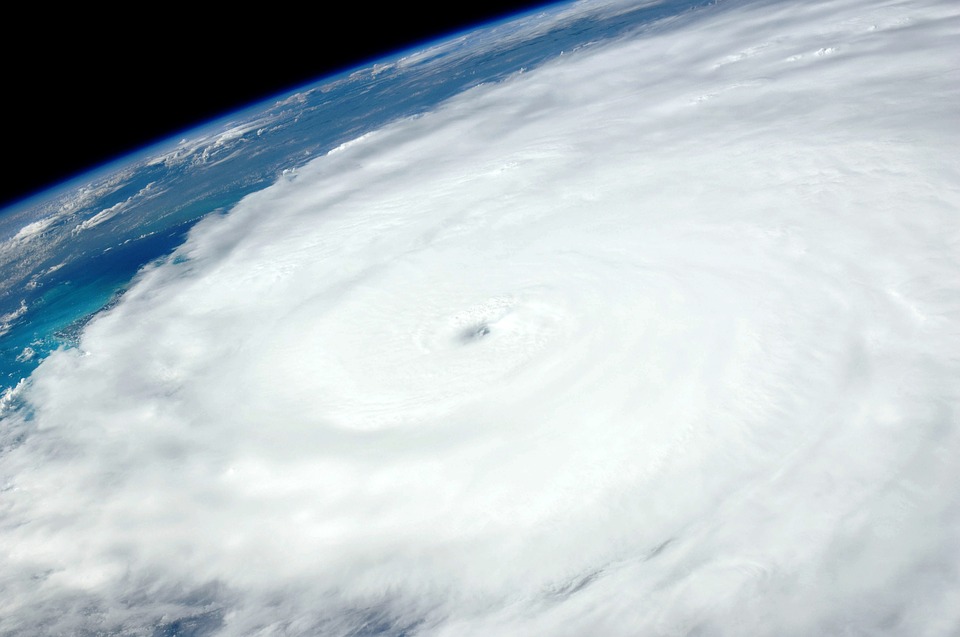
For those living or working in areas at risk of experiencing a tropical storm or hurricane, June 1st rarely passes unnoticed. At Setnor Byer Insurance & Risk, we understand that preparing for Hurricane Season is rarely easy and often stressful. We also understand that a lack of awareness and preparation can make a bad situation worse, and that the best way to limit the risk is to take preventative steps now.

The National Oceanic and Atmospheric Administration (NOAA) estimates a 70 percent probability that the 2013 Hurricane Season will bring:

  • 12 – 18 Named Storms (winds of 39 mph or higher)
  • 6 – 10 Hurricanes (winds of 74 mph or higher)
  • 3 – 6 Major Hurricanes (winds of 111 mph or higher)

These estimates indicate that activity will exceed the seasonal average of 11 named storms, six hurricanes and two major hurricanes.

According to NOAA administrator Jane Lubchenco, Ph.D., “the United States was fortunate last year. Winds steered most of the season’s tropical storms and all hurricanes away from our coastlines…However we can’t count on luck to get us through this season. We need to be prepared, especially with this above-normal outlook.”

Though different situations call for different measures, the following tips can assist you in developing your own plan for dealing with the 2013 Hurricane Season.

Before the Storm

  • Monitor the news to allow time to prepare.
  • Identify all tools and equipment that will be needed to secure property before a storm and limit the damage after the storm (flashlights, batteries, caulking, tarpaulins, sandbags, cutting and fastening equipment, etc.).
  • Clear drains and downspouts to minimize the risk of flooding.
  • Move items inside.
  • Unplug electrical equipment and move property away from windows.
  • Check and secure all documents and records.
  • Take or update photographs of real and personal property.
  • Gather insurance policies and agent/insurer contact information.

After the Storm

  • Only after it has been declared safe to do so, look for any property damage and take reasonably necessary steps to protect against any further damage.
  • Report fallen power lines to power company immediately–stay away from them!
  • Check exterior walls and roof for damage from wind, rain, flying objects and rising waters (flood insurance).
  • Check all interior perimeter walls, floors, and roof for leaks and water damage.
  • Document all damage with photographs and video.
  • Prepare detailed damage reports.
  • Call your insurer or agent as soon as possible to report damage.

While preparing for Hurricane Season is never easy, our team of experienced and responsive professionals can work with you to make sure that your home, cars and property are protected.

For over 30 years, Setnor Byer Insurance & Risk has been helping our clients prepare before the storm and rebuild after. Our clients benefit from a Hurricane Insurance Program that includes an emergency and after hours claims service hotline in addition to guidance for disaster planning.

If you would like more information about how Setnor Byer Insurance & Risk can help you prepare for the 2013 Hurricane Season, contact us.

If you would like to subscribe to our newsletters please click here.

Lowering Your Hurricane Insurance Premium

Many homeowners believe that switching insurance companies is the only way to save on their windstorm (hurricane) insurance premiums. Unfortunately, companies with the lowest premiums may not have enough money to pay claims after a storm. Rather than buy insurance from an insurance company without the capital to pay losses, homeowners can reduce their premiums by taking advantage of wind mitigation credits.

Wind mitigation credits are premium discounts based on the ability of a home to tolerate strong winds without experiencing damage. According to one estimate, if homes were constructed in a manner beyond that which is currently required by building codes, the average losses per year would be reduced by over 70%. This is why increasing a structure’s wind resistance, or hardening, allows homeowners to save on their windstorm insurance premiums.

Homes built or retrofitted to incorporate specific mitigation features designed to increase wind resistance may qualify for wind mitigation credits. Insurance companies consider numerous factors when determining the availability and amount of wind mitigation credits, such as:

  • Roof Covering: Is the roof covered by shingles, clay tiles, metal, built-up tar, membrane, gravel or other material that meets or exceeds building codes?
  • Secondary Water Resistance (SWR): Is there a layer of protection between the roof covering and the roof decking (plywood, metal panels, etc.) that protects the home if the roof covering blows off?
  • Roof Deck Attachment: How is the roof decking connected to the roof trusses or rafters?
  • Roof-to-Wall Attachment: How are the walls connected to the roof trusses or rafters (toe nails, clips, single or double wraps, etc.)?
  • Roof Geometry: What is the shape of the roof (hip roof, flat roof, etc.)?
  • Opening Protection: How are openings, such as windows, doors and skylights protected against flying debris (shutters, hurricane glass, etc.)?

Mitigations features must meet very specific guidelines to qualify for credits. For example, the availability of a wind mitigation credit can depend on the size, spacing and number of nails used in the roof deck or roof-to-wall attachment. Credits will not be awarded unless there is strict compliance with applicable building codes, laws, regulations or standards.

The first step to getting a wind mitigation credit is to get the home inspected. Wind mitigation inspections, which typically cost less than $250 and take about an hour, are often done by licensed building inspectors, contractors, architects and engineers. However, since state laws and specific insurance company requirements may dictate who is qualified to perform wind mitigation inspections, be sure to confirm licenses and check references before hiring an inspector.

Those who do not qualify for one or more wind mitigation credits should consider the cost of hardening their homes and the anticipated savings. Since the amount of wind mitigation credit typically depends on various factors, including state laws and specific insurance company requirements, the assistance of a qualified insurance agent may be needed to estimate premium savings. If the math does not justify retrofitting, homeowners should keep wind mitigation credits in mind the next time general repairs are being done, such as roof and window repair or replacement.

If you would like to learn more about wind mitigation credits or windstorm insurance, contact us.

If you would like to subscribe to our newsletters please click here.

Charitable Donation Winners

We are pleased to announce that Voices for Children of Broward County is the winning charity of Setnor Byer’s $5,000 Charitable Giving Facebook Campaign.

And because all of the Charities support such wonderful causes, we’d like to increase our donation to $10,000 and provide our 2nd place winner, Hispanic Unity, with $2,000. And split the remaining $3,000 with all others!

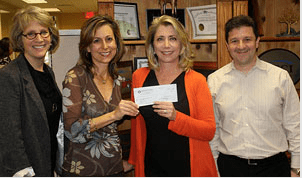
Amy, Barbara and Matt of Voice for Children of Broward County receiving their $5,000 check from Anita Setnor Byer.

Thank you letter from The Hispanic Unity

$5,000 Charitable Donation at No Cost to You

At Setnor Byer Insurance & Risk, we have a long-standing tradition of Charitable Giving. This year, we’re launching a Facebook campaign so that fans can help us pick which Broward County Charity will receive $5,000.

Throughout the month of December, we will have a list of participating Charities on our Facebook Cover Photo. All voters have to do is Like our page and write on our wall naming the Charity they’d like to receive the donation. The Charitable organization that receives the most votes will receive a donation from Setnor Byer Insurance & Risk in the amount of $5,000. Voters have until December 31st to participate, and the winner will be announced in the first week of January 2013.

Here are the detailed instructions on how to vote:

  • Go to the Setnor Byer Insurance & Risk Facebook page
  • Click the “Like” button
  • View the Cover Photo for a list of the participating Charities
  • Place your vote by commenting on Setnor Byer’s Wall with: “John Smith (your name) likes XYZ Charity(your charity).”

Voters have to “Like” the Facebook page for their vote to count, and participants only get one vote!

This Holiday Season please take the time to place your vote to support our local charities!

If you’d like to learn more about our Charitable Giving efforts please contact us.