Are You Ready for the 2015 Hurricane Season?

For those living or working in the Atlantic hurricane region, June 1st rarely passes unnoticed. At Setnor Byer Insurance & Risk, we know Hurricane Season is rarely easy and often stressful. We also know the importance of being prepared for whatever Mother Nature has in store for us.

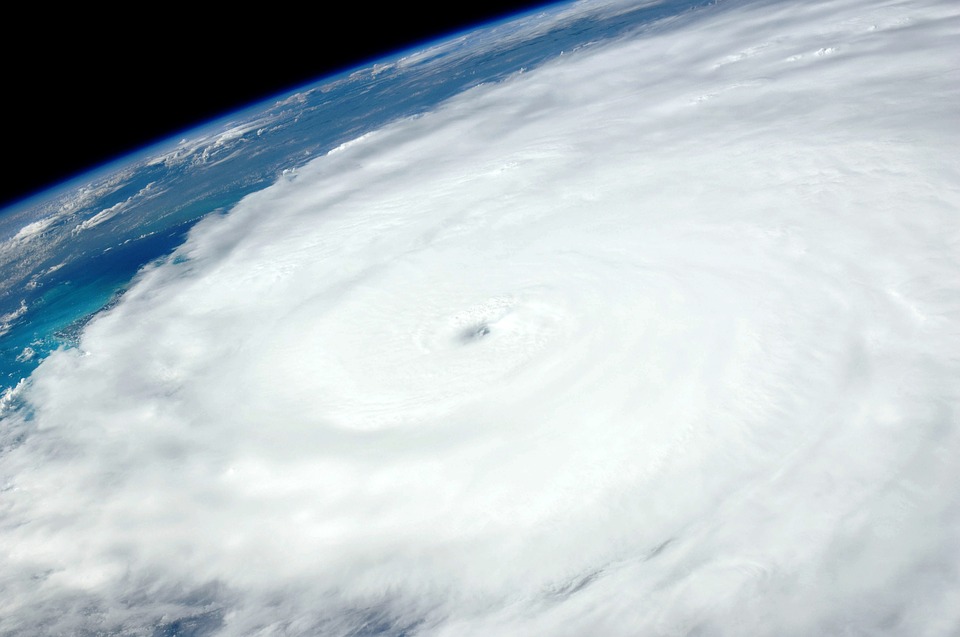
The National Oceanic and Atmospheric Administration’s 2015 Atlantic Hurricane Outlook predicts a 70 percent chance of a below-normal season, a 20 percent chance of a near-normal season and a 10 percent chance of an above-normal season. According to NOAA, there is a 70 percent likelihood that the 2015 hurricane season will bring:

6 – 11  Named Storms, including May’s Tropical Storm Ana (winds of 39 mph or higher)

3 – 6 Hurricanes (winds of 74 mph or higher)

0 – 2 Major Hurricanes (winds of 111 mph or higher)

Despite having a reason to be optimistic, NOAA reminds us that these predictions should not be used as an excuse to drop our guard or delay preparations. “As we’ve seen before, below-normal seasons can still produce catastrophic impacts to communities,” said NOAA Administrator Kathryn Sullivan, referring to the 1992 season in which only seven named storms formed, the first of which was Andrew – a Category 5 Major Hurricane that devastated South Florida.

Since preparation is critical, here are some tips that can help you weather a storm.

Before the Storm

  • Monitor the news to allow time to finalize preparations.
  • Gather tools and equipment that will be needed before and after the storm (flashlights, batteries, caulking, tarpaulins, sandbags, cutting and fastening equipment, etc.).
  • Clear drains and downspouts to minimize the risk of flooding.
  • Move items inside.
  • Unplug electrical equipment and move property away from windows.
  • Check and secure all documents and records.
  • Take or update photographs of real and personal property.
  • Gather insurance policies and agent/insurer contact information.

After the Storm

  • Only after it has been declared safe to do so, take reasonably necessary steps to protect against any further property damage.
  • Report fallen power lines to power company immediately–stay away from them!
  • Check exterior walls and roof for damage from wind, rain, flying objects and rising waters.
  • Check all interior perimeter walls, floors and roof for leaks and water damage.
  • Document all damage with photographs and video.
  • Prepare detailed damage reports.
  • Call your insurer or agent as soon as possible to report damage.

While preparing for Hurricane Season is never easy, our team of experienced and responsive professionals can help protect your personal and business property. For over 30 years, Setnor Byer Insurance & Risk has been helping clients prepare before the storm and recover after.

If you would like to learn more about how we can help you through the 2015 Hurricane Season, please contact us.

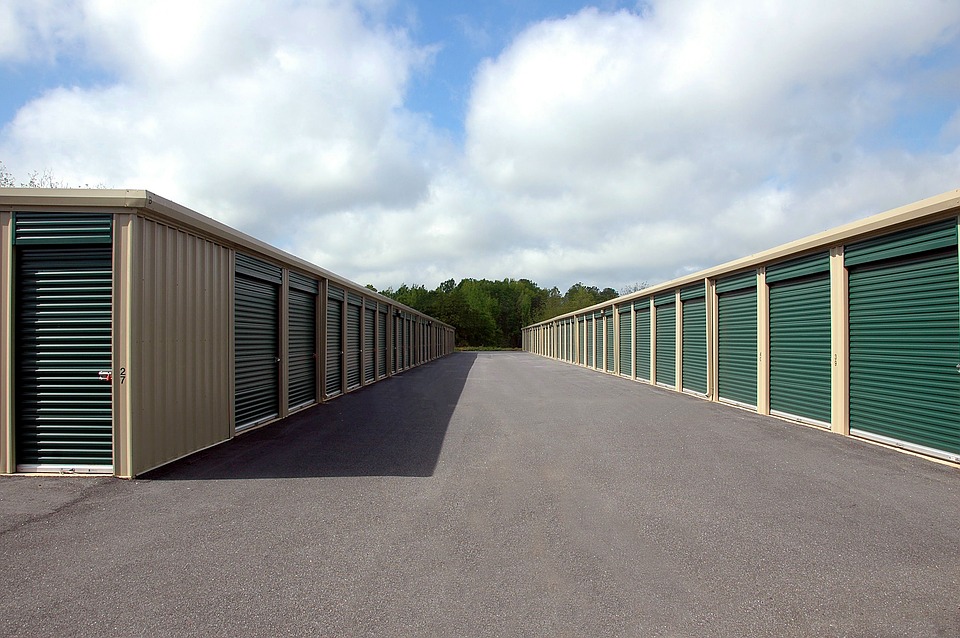
Is Your Self Storage Facility Prepared for the Next Disaster?

Preparation is the key to surviving a natural or human-caused disaster. Nevertheless, a survey by the Ad Council found that 62% of respondents did not have an emergency plan in place for their business. Since up to 40% of businesses affected by a natural or human-caused disaster never reopen, self storage facilities intent on surviving the next disaster must be prepared.

Natural or human-caused disasters can affect a self storage facility’s operations and finances by disrupting critical business functions and processes. During and after a disaster, a self storage facility may experience:

  • Lost or delayed sales and income
  • Increased expenses
  • Customer dissatisfaction
  • Repair and replacement costs

To prevent or limit the damage from a disaster, the Federal Emergency Management Agency (FEMA) recommends developing a preparedness program using these five steps.

Program Management. An effective preparedness program requires leadership, commitment and financial support. Beyond any applicable laws or regulations that may establish minimum standards, each self storage facility must determine how much risk it can tolerate and take steps to minimize the likelihood of exceeding that risk.

A preparedness policy should be developed by management and distributed to staff. The policy should define roles and responsibilities. Select employees should be given the authority to develop the program and keep it current. The policy should also define the general goals and objectives of the preparedness program, such as:

  • Protecting the life and safety of employees, tenants, visitors, etc.
  • Protecting facilities, physical assets and electronic information
  • Minimizing interruptions or disruptions of business operations
  • Protecting the facility’s brand, image and reputation

Planning. Preparing for a disaster requires planning. During the planning process, self-storage facilities should consider all threats, not just those that are most likely to occur. Special attention should be given to threats that are classified as probable and threats that could cause injury, property damage or business disruption.

Implementation. Implementation of a preparedness program includes identifying and assessing resources, writing plans and developing a system to manage incidents. An effective preparedness program should address:

  • Resource and incident management
  • Emergency response
  • Crisis communications
  • Business continuity
  • Information technology
  • Training

Testing and Exercises. An effective preparedness program requires testing and exercises to:

  • Train personnel
  • Reinforce knowledge of procedures, facilities, systems and equipment
  • Improve individual and organizational performance
  • Identify strengths
  • Reveal weaknesses and gaps

Program Improvement. Self storage facilities must take advantage of every opportunity to improve their preparedness program. After an actual incident, a critique should be conducted to assess effectiveness. Lessons should also be learned from incidents occurring elsewhere.

An effective preparedness program can control a number of risks associated with natural or human-caused disasters. An effective insurance program is needed to protect against those risks that cannot be controlled. Since self storage facilities face unique risks, it helps to have an insurance program that is specifically designed for the self storage industry.

If you would like more information about protecting your self storage facility, please contact.

Shopping for Homeowners Insurance Video from Tower Hill® Insurance

For most people, their biggest purchase is their home. Following the four must-dos for shopping for homeowners insurance can help you find the best value and the best protection for your home:

  • Get advice from a professional agent who will take the time to guide you through the selection process
  • Shorten your list to the best companies, those with a great reputation for financial strength, claims handling, and customer service.
  • Compare multiple quotes for similar coverages, and ask your agent to explain any differences in coverages.
  • Tailor your policy to your wants and needs, as well as your tolerance for risk. Make sure price is not the primary factor.

The video below does a great job discussing these items in further detail.

https://youtu.be/us4P2QNnI70

If you would like to learn more about this coverage please contact us.

Are You Ready for the 2014 Hurricane Season?

For those living or working in the Atlantic hurricane region, June 1st rarely passes unnoticed. At Setnor Byer Insurance & Risk, we understand that preparing for hurricane season is rarely easy and often stressful. We also understand that a lack of awareness and preparation can lead to disaster, and that the best way to limit the risks posed by hurricanes is to take preventative steps.

The National Oceanic and Atmospheric Administration’s 2014 Atlantic Hurricane Outlook predicts a 50% chance of a below-normal season, a 40% chance of a near-normal season and only a 10% chance of an above-normal season. According to NOAA, the 2014 hurricane season will bring:

  • 8 – 13 Named Storms (winds of 39 mph or higher)
  • 3 – 6 Hurricanes (winds of 74 mph or higher)
  • 1 – 2 Major Hurricanes (winds of 111 mph or higher)

These numbers are near or below the 1981 to 2010 seasonal averages of 12 named storms, six hurricanes and three major hurricanes. “Though we expect El Niño to suppress the number of storms this season,” NOAA administrator, Dr. Kathryn Sullivan, reminds us that, “it’s important to remember it takes only one land falling storm to cause a disaster.”

The 2014 hurricane season will also see changes in the information provided by the National Hurricane Center, including:

  • A smaller tropical cyclone forecast cone
  • The addition of a Potential Storm Surge Flooding Map, which will highlight areas where storm surge inundation could occur and the height above ground level that the water could reach
  • The elimination of the Intensity Probability Table due to misleading estimates of landfall intensity and excessive reliance on these estimates by the public

Though different situations call for different measures, here are some tips that can help you weather a storm.

Before the Storm

  • Monitor the news to allow time to prepare.
  • Identify all tools and equipment that will be needed to secure property before a storm and limit the damage after the storm (flashlights, batteries, caulking, tarpaulins, sandbags, cutting and fastening equipment, etc.).
  • Clear drains and downspouts to minimize the risk of flooding.
  • Move items inside.
  • Unplug electrical equipment and move property away from windows.
  • Check and secure all documents and records.
  • Take or update photographs of real and personal property.
  • Gather insurance policies and agent/insurer contact information.

After the Storm

  • Only after it has been declared safe to do so, take reasonably necessary steps to protect against any further property damage.
  • Report fallen power lines to power company immediately—stay away from them!
  • Check exterior walls and roof for damage from wind, rain, flying objects and rising waters (flood insurance).
  • Check all interior perimeter walls, floors and roof for leaks and water damage.
  • Document all damage with photographs and video.
  • Prepare detailed damage reports.
  • Call your insurer or agent as soon as possible to report damage.

While preparing for Hurricane Season is never easy, our team of experienced and responsive professionals can work with you to make sure that your personal and business property are protected in the event of a hurricane. With over 30 years of experience dealing with tropical storms and hurricanes, Setnor Byer Insurance & Risk has a long history of helping our clients prepare before the storm and, more importantly, providing support through the process of rebuilding after the storm.

If you would like more information about protecting your personal and business property during the 2014 Hurricane Season, please contact us.

If you’d like to subscribe to our weekly newsletters please click here.

Ordinance or Law Coverage Video From Tower Hill® Insurance

Hurricanes have led to significant building code changes in Florida. Ordinance or Law Coverage provides for the additional cost to bring a building up to current building codes when significant repairs are needed. One of our Insurance Carriers, Tower Hill Insurance Group has created a great video explaining the importance of Ordinance or Law Coverage and the different options available for this product. If you would like to learn more about this coverage please contact us.

https://youtu.be/WJGnqgBEI_Y

Below please find the transcript from the video featured in this article.

Hi I’m Joel Curran coming to you from the Gainesville, Florida offices of Tower Hill Insurance Group. With me today is Heidi Moore, the Claims Manager. Heidi’s been with Tower Hill for 15 years.

Do you know if your homeowner’s insurance policy covers you for Ordinance or Law? If you’re like most people, you’re not sure what this coverage is, let alone know if your policy includes protection from this exposure.

Ordinance or Law coverage provides for the additional costs to bring a building up to current building codes when major repairs are needed.

Florida has implemented significant building code changes over the past few years largely due to our experience with hurricanes. If your home was built before the code changes and it needs repairs, the repairs are often needed to be done according to the new building code.

Heidi, in your experience, you’ve had many real life situations where customers had the Ordinance or Law coverage and sometimes they did not.

Yes, we recently had a 1994 home that had tornado damage. They had plenty of coverage to repair the home, but had a code issue with the pool enclosure.

Tell us more about that code issue.

Well the policyholder had minor damage to the pool enclosure, but due to the Post-hurricane Wilma codes, they had to replace the pool enclosure. This would be an additional cost of $17,000.

And did the people have the adequate coverage? In this case they did because they chose the 25% option. They had $82,000 in Ordinance or Law to go towards the replacement of the pool enclosure. The additional cost for them was $17,000 but due to the fact that they had this, they did not have to incur the expense themselves.

So they were a satisfied customer?

They were very satisfied.

Heidi, have you had situations where the customer had to incur the additional costs themselves?

Unfortunately, yes. We had a 1987 home that was struck by lightning and this lightning caused a fire loss. There was damage to the interior and exterior of the home.

And what was the building code issue?

In this case the home was located in a coastal flood area. The Ordinance or Law stated that the homes had to be at 8 feet elevation, this particular home was at 4 foot elevation. Therefore we had to raise the foundation an additional 4 feet.

And what was the additional cost? The additional cost for this policyholder was $35,000.

And they did not have the coverage?

Unfortunately, they did not. They had selected the 0 option. So they had plenty of coverage for the fire damage, but they had to incur – at their own expense- the coverage for raising the elevation.

You can check your policy Declarations page to see what option is included. You should see a percentage figure that applies to the amount you insure your home for.

Not all policies are identical; some include 10% Ordinance or Law coverage unless you select another option. But usually you have the option to select 0% or none, 10%, 25% or 50%.

Florida statutes require insurance companies to get your signature for selections other than 25% and to notify you of your options at least every 3 years.

At Tower Hill, a look at recent new business shows that most of our customers purchase 25% Ordinance or Law coverage. A small number select 10% and 50% but close to 1 in 5 select the 0% option.

There are policy conditions and exclusions that apply and your agent is the best person to contact to explain these and to advise you on your selection. At Tower Hill, we want you to have the coverages you desire so if the unfortunate claim does occur, we are there for you. We want to help you get safely back in your home as soon as possible. We’ve been doing exactly that for 40 years.

Why Insurance Rates Increase?

Rate increases are necessary to maintain a company’s ability to pay out claims during the worst catastrophes. One of our Insurance Carriers, Tower Hill Insurance Group has created a great video explaining how and why insurance rates change. If you have any questions about your rates please contact us.

https://www.youtube.com/watch?v=LLV2RnToLME

Below please find the transcript from the video featured in this article.

Hi, this is Joel Curran coming from the Tower Hill Insurance Group, LLC offices in Gainesville, Florida, where we have been serving the insurance needs of Floridians for 40 years. Our customers are loyal – every year, more than 95% accept our renewal offer. More than 100,000 have been with us for 5 years or more.

Unfortunately, everyone has to endure rate increases. But you still think: “why did you increase my premiums? I live in the same house and the market value has declined, there were no hurricanes, and I haven’t had any claims.”

The simple answer is that we need more premiums to cover our costs. But before I give more detail, let me tell you about Good Faith and Spread of Risk. Insurance is a Good Faith contract which means in part that you pay us, and we promise to pay you for damage or injuries covered by the contract. We take that promise seriously. We need to be financially strong enough to pay claims especially if there is a catastrophe. I’ll tell you more about that in a minute.

The second principle is Spread of Risk. Two hundred years ago when Ben Franklin started the first mutual fire insurance company, insurance meant that a small group chipped in equally, and if one house burned down there was money for rebuilding it. But if only ten people paid in and there were two house fires in a year, there would not be enough money to rebuild both homes. But the bigger the group, the broader the spread of risk, and pretty soon you get to a large enough number that the risk is low compared to the number of insurance buyers. That makes the overall risk more predictable. The more predictable – the lower everyone’s contributions will be.

Florida homeowners have a higher-than normal risk. Our 1,300-mile coastline is longer than any state except Alaska. The narrow shape of Florida means even non-coastal areas are very exposed. Our love of being near the water comes with a cost. To spread the risk and keep insurance accessible to everyone, we have to spread the cost as well.

So, what are those costs? Your premium goes towards three main cost areas: First, we make sure we can pay claims. We set aside surplus funds, as well as claims reserves, and we make conservative investments to fund them. We never take a risk with your premiums by putting them into risky investments.

Second, we cover the cost of operating the company, which provides jobs for more than 350 people in Florida. Through sales commissions we also support local independent insurance agencies in every Florida county. In addition, we have to make sure that if there is a hurricane, our facilities can keep running at full capacity so we can be there when you need us most.

Third – and this may surprise you – the biggest cost is reinsurance. Reinsurance is exactly what it sounds like – insurance for insurers, to make sure we can cover catastrophic losses. Reinsurance spreads risk globally, meaning that homeowners around the world are actually helping fund claim payments if a hurricane makes landfall in Florida – which happened in 2004 and 2005– when we paid out more than $2 billion to repair homes in Florida due to 8 hurricanes.

By the same token, Florida’s contributions help fund recoveries in other states and countries. When you watch the weather channel and see tornados in Kansas, or monsoons in China, know that premiums paid by insurance buyers all over the world, including us in Florida, will help repair the damages.

Reinsurers need to be prepared for the worst, and Tower Hill Insurance Group, LLC buys only from the best, most stable reinsurers who have demonstrated year over year that they can fund the losses they insure. The bottom line on reinsurance is that, no matter how well we run our company and manage our investments, if Tower Hill Insurance Group, LLC were on our own to fund years like 2004 and 2005 we would have to charge premiums that are a multiple of what we charge now.

So back to your question, “why is my premium increasing THIS year”? Well, in determining rate changes every year, Florida insurers have to balance the need for keeping insurance rates competitive with the need for keeping their businesses stable and for buying reinsurance.

Recently, two things have contributed. In 2011, even though Florida had a mild year, the world had its worst year on record for weather catastrophes. Because their risk is spread globally, reinsurers are increasing their rates to recover. That rate increase is hitting Florida just like everywhere else. In addition, while the value of homes everywhere has drastically dropped, the cost of repairing and rebuilding has not dropped. When we pay property damage claims we expect to pay contractors a fair price for their work, so we need to collect premium accordingly.

We don’t take rate increases lightly, and we know you don’t either. We go through extensive analysis to determine the fairest rates, and we file our rate changes with the Office of Insurance Regulation who is charged with making sure rates are adequate, not excessive, and do not unfairly discriminate.

Hopefully what I have said makes sense to you. I want you to know that everything we do at Tower Hill Insurance Group, LLC is done to ensure peace of mind for our individual and commercial policy holders. Forty years of experience means we know how to make the right decisions to protect your interests, so stick with us and we’ll ride out any future catastrophes together.
Are You Ready for the 2013 Hurricane Season?

For those living or working in areas at risk of experiencing a tropical storm or hurricane, June 1st rarely passes unnoticed. At Setnor Byer Insurance & Risk, we understand that preparing for Hurricane Season is rarely easy and often stressful. We also understand that a lack of awareness and preparation can make a bad situation worse, and that the best way to limit the risk is to take preventative steps now.

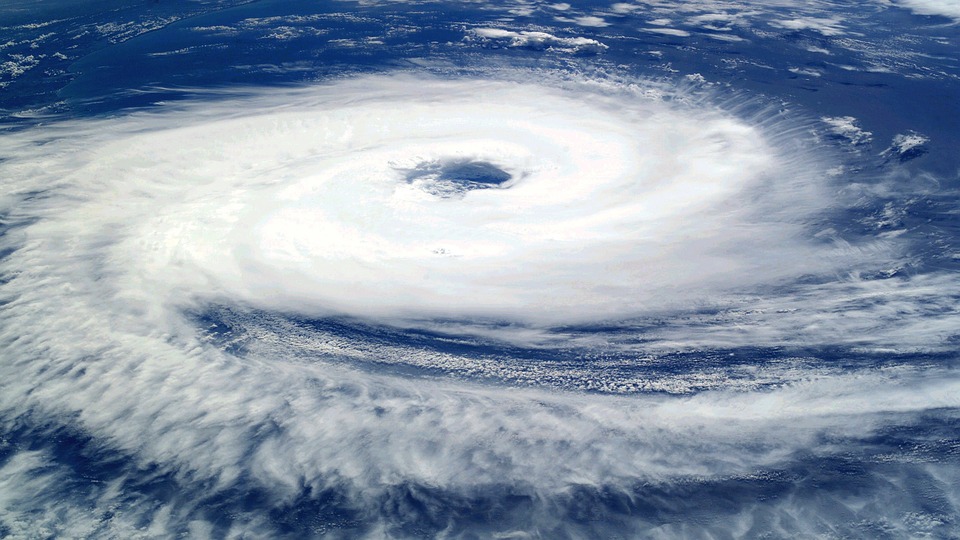
The National Oceanic and Atmospheric Administration (NOAA) estimates a 70 percent probability that the 2013 Hurricane Season will bring:

  • 12 – 18 Named Storms (winds of 39 mph or higher)
  • 6 – 10 Hurricanes (winds of 74 mph or higher)
  • 3 – 6 Major Hurricanes (winds of 111 mph or higher)

These estimates indicate that activity will exceed the seasonal average of 11 named storms, six hurricanes and two major hurricanes.

According to NOAA administrator Jane Lubchenco, Ph.D., “the United States was fortunate last year. Winds steered most of the season’s tropical storms and all hurricanes away from our coastlines…However we can’t count on luck to get us through this season. We need to be prepared, especially with this above-normal outlook.”

Though different situations call for different measures, the following tips can assist you in developing your own plan for dealing with the 2013 Hurricane Season.

Before the Storm

  • Monitor the news to allow time to prepare.
  • Identify all tools and equipment that will be needed to secure property before a storm and limit the damage after the storm (flashlights, batteries, caulking, tarpaulins, sandbags, cutting and fastening equipment, etc.).
  • Clear drains and downspouts to minimize the risk of flooding.
  • Move items inside.
  • Unplug electrical equipment and move property away from windows.
  • Check and secure all documents and records.
  • Take or update photographs of real and personal property.
  • Gather insurance policies and agent/insurer contact information.

After the Storm

  • Only after it has been declared safe to do so, look for any property damage and take reasonably necessary steps to protect against any further damage.
  • Report fallen power lines to power company immediately–stay away from them!
  • Check exterior walls and roof for damage from wind, rain, flying objects and rising waters (flood insurance).
  • Check all interior perimeter walls, floors, and roof for leaks and water damage.
  • Document all damage with photographs and video.
  • Prepare detailed damage reports.
  • Call your insurer or agent as soon as possible to report damage.

While preparing for Hurricane Season is never easy, our team of experienced and responsive professionals can work with you to make sure that your home, cars and property are protected.

For over 30 years, Setnor Byer Insurance & Risk has been helping our clients prepare before the storm and rebuild after. Our clients benefit from a Hurricane Insurance Program that includes an emergency and after hours claims service hotline in addition to guidance for disaster planning.

If you would like more information about how Setnor Byer Insurance & Risk can help you prepare for the 2013 Hurricane Season, contact us.

If you would like to subscribe to our newsletters please click here.

Lowering Your Hurricane Insurance Premium

Many homeowners believe that switching insurance companies is the only way to save on their windstorm (hurricane) insurance premiums. Unfortunately, companies with the lowest premiums may not have enough money to pay claims after a storm. Rather than buy insurance from an insurance company without the capital to pay losses, homeowners can reduce their premiums by taking advantage of wind mitigation credits.

Wind mitigation credits are premium discounts based on the ability of a home to tolerate strong winds without experiencing damage. According to one estimate, if homes were constructed in a manner beyond that which is currently required by building codes, the average losses per year would be reduced by over 70%. This is why increasing a structure’s wind resistance, or hardening, allows homeowners to save on their windstorm insurance premiums.

Homes built or retrofitted to incorporate specific mitigation features designed to increase wind resistance may qualify for wind mitigation credits. Insurance companies consider numerous factors when determining the availability and amount of wind mitigation credits, such as:

  • Roof Covering: Is the roof covered by shingles, clay tiles, metal, built-up tar, membrane, gravel or other material that meets or exceeds building codes?
  • Secondary Water Resistance (SWR): Is there a layer of protection between the roof covering and the roof decking (plywood, metal panels, etc.) that protects the home if the roof covering blows off?
  • Roof Deck Attachment: How is the roof decking connected to the roof trusses or rafters?
  • Roof-to-Wall Attachment: How are the walls connected to the roof trusses or rafters (toe nails, clips, single or double wraps, etc.)?
  • Roof Geometry: What is the shape of the roof (hip roof, flat roof, etc.)?
  • Opening Protection: How are openings, such as windows, doors and skylights protected against flying debris (shutters, hurricane glass, etc.)?

Mitigations features must meet very specific guidelines to qualify for credits. For example, the availability of a wind mitigation credit can depend on the size, spacing and number of nails used in the roof deck or roof-to-wall attachment. Credits will not be awarded unless there is strict compliance with applicable building codes, laws, regulations or standards.

The first step to getting a wind mitigation credit is to get the home inspected. Wind mitigation inspections, which typically cost less than $250 and take about an hour, are often done by licensed building inspectors, contractors, architects and engineers. However, since state laws and specific insurance company requirements may dictate who is qualified to perform wind mitigation inspections, be sure to confirm licenses and check references before hiring an inspector.

Those who do not qualify for one or more wind mitigation credits should consider the cost of hardening their homes and the anticipated savings. Since the amount of wind mitigation credit typically depends on various factors, including state laws and specific insurance company requirements, the assistance of a qualified insurance agent may be needed to estimate premium savings. If the math does not justify retrofitting, homeowners should keep wind mitigation credits in mind the next time general repairs are being done, such as roof and window repair or replacement.

If you would like to learn more about wind mitigation credits or windstorm insurance, contact us.

If you would like to subscribe to our newsletters please click here.