Florida’s Workers’ Compensation Insurance Rates Expected to Decrease in 2021

Florida employers may see lower workers’ compensation insurance premiums in 2021. The National Council on Compensation Insurance is proposing a statewide average rate decrease of 5.7 percent for 2021. NCCI is a licensed rating organization authorized to submit workers’ compensation rate filings on behalf of insurance companies in Florida. NCCI’s proposed rate decrease, which must be approved by Florida’s Office of Insurance Regulation, would apply to new and renewal policies effective January 1, 2021.

Why are rates going down? According to NCCI, the workers compensation system is experiencing unprecedented results nationwide. The frequency of claims continues to decrease due to technology, safer workplaces and improved risk management. NCCI also credits the combination of underwriting discipline, moderating severity, declining frequency and adequate reserves for controlling loss ratios.

It’s worth noting that the data used to calculate the proposed rate decrease does not include claims from coronavirus disease 2019 (COVID-19). NCCI is gathering and reviewing data, but it’s too soon to know how COVID-19 may directly or indirectly impact claims frequency, severity or duration. While it’s possible that COVID-19 could result in significant claims and deteriorating loss ratios, NCCI notes that the pandemic’s overall impact on system costs may be small. An increase in compensable claims for frontline workers, for example, may be offset by a decrease in workers’ compensation claims due to the increased number of employees working remotely due to the pandemic. Again, it’s too soon to know for sure.

Florida’s Office of Insurance Regulation is currently reviewing NCCI’s rate filing to ensure the proposed rates are not excessive, inadequate or unfairly discriminatory. The OIR is also evaluating potential effects on the insurance marketplace and on employers required by law to carry workers’ compensation insurance. Once the proposed voluntary rate level change is determined, NCCI separately determines rates for each workers compensation job classification (class code).

Please contact us if you have any questions about employee classification codes or want to discuss ways to lower your workers’ compensation insurance premiums.

An Ounce of Prevention: What Employers Can Do to Keep Workers’ Compensation Costs Down

As a firm specializing in Workers’ Compensation defense, General Liability defense, and Employment and Labor Law defense, we have a bird’s eye view of the successful (and sometimes unsuccessful) practices of our clients. In this article, we offer preventative measures that can be utilized to minimize or mitigate workplace accidents and their associated monetary exposures.

As a general rule, any policy or procedure should be uniformly applied to all Employees, regardless of race, religion, gender, age, or any other protected factor. Failure to apply these provisions uniformly could result in violation of State, Federal, or Local law. As such, if you choose to adopt any of the following suggestions, it is imperative that they be applied without variation.

Perhaps the least expensive and most beneficial practice that a company can utilize is to conduct routine safety workshops. A safety workshop is an inexpensive method aimed at avoiding accidents. We recommend that you conduct safety workshops frequently, perhaps monthly, at which time you can review techniques for safe lifting, ergonomic workplace solutions, and applicable safety rules. To assist your supervisors and HR personnel, Setnor Byer Insurance & Risk, along with Kelley Kronenberg, can facilitate workers’ compensation workshops at your workplace that will specifically address your unique needs and will guide you toward implementing more aggressive and cost-effective practices that can prevent workplace accidents.

Often, injured workers are more apt to stay home if they perceive that the rewards for being out of work are potentially greater than for returning to work. In light of this trend, a useful suggestion for an employer is to establish a safety program. As a company, you may consider offering an incentive to Employees who are accident-free for a specified time period. This practice may also be used for Employees who have a perfect attendance record, thereby reducing frivolous time off for “sick days.” Feel free to contact Setnor Byer Insurance & Risk for additional support. Please note: To avoid disparate treatment or the appearance of impropriety, absences for workers’ compensation purposes, FMLA leave time, or leave provided to an Employee for accommodation of an ADA disability should not count against one’s attendance record in this incentive program.

Obtaining information (post-hiring) about an Employee’s medical history can also be quite useful. The names and contact information for a worker’s physicians can be obtained on your standard employment documents “to be used in the event of a medical emergency.” This information often provides valuable assistance should a workers’ compensation claim later be filed, as it is more likely that a pre-existing condition would have been revealed to a doctor prior to a work accident than after the work accident.

In this regard, we also encourage gathering information from Employees regarding pre-existing medical conditions. This information will be invaluable and may aid in the defense of a workers’ compensation claim, if provided on a timely basis, to the treating physician after an accident. Please be advised that the use of medical questionnaires is strictly governed by the Americans with Disability Act (ADA), and the failure to comply with the requirements of this law could create additional legal exposure for you as an employer.

Under the ADA, the types of questions asked of the Employee depends on the stage of the hiring process.

  • Stage One: Before a Conditional Job Offer is Made. The ADA permits you to show the prospective Employee a job description that describes the physical demands of the job, or to demonstrate the job and inquire whether the prospective Employee is physically able to perform the job function with or without an accommodation.
  • Stage Two: After the Job Offer but Before Employment Begins. The ADA permits the Employer to ask a prospective Employee to respond to a detailed medical questionnaire and to submit to a medical examination, if practical, as long as these are required of all Employees entering the job force within a particular job category.
  • Stage Three: After the Employee Has Begun Working. Among other things, the ADA allows employers to require a fitness-for-duty examination in situations in which the examination is job-related and consistent with business necessity.

The ADA is a complex set of laws-please seek legal advice prior to instituting procedures.

Obtaining information regarding the Employee’s physicians and prior medical care may prove beneficial should the Employee later have an accident. Thus, it is also imperative to know whether the Employee has sustained prior accidents and/or whether a prior workers’ compensation claim or lawsuit has been filed. To answer these questions, we recommend that an index search, background check, or a simple online search be conducted at the post-offer stage.

An index search typically will list any known accidents that the Claimant has had, including workers’ compensation claims and automobile/personal injury claims. The reports typically list parties with additional information regarding the claim, i.e. an Insurance Carrier, an Employer, or an insured individual. Often, we are able to subpoena records based upon the index search that greatly assist in limiting exposure. In fact, for some clients, we seek this information once an injured worker has an accident but before litigation has commenced. At an Employer’s request, we can open a “ghost file” and guide our clients from the sidelines in an effort to avoid unnecessary and costly litigation.

Consider the value of many of the public record search options that exist. A person’s name can be looked up on local civil and criminal case dockets, and much information can be garnered by looking at personal web pages such as flickr, myspace, and similar social networking sites. Small and seemingly insignificant details found today could save thousands of dollars should the Employee later file a claim seeking medical or indemnity benefits. In fact, in one case in which we served as defense counsel, the adjuster obtained pictures of a claimant riding and performing stunts on his motorcycle. The pictures were posted on the claimant’s myspace page and were taken after his alleged accident.

It is also useful to institute a daily or a weekly checkout system. You may wish to have Employees sign out on a daily basis and indicate whether they were in an accident, whether they witnessed an accident, or whether they were in need of medical treatment prior to or upon leaving. This is an excellent tool for defending against workers’ compensation claims that are reported late. It must be noted, however, that if an Employee feels coerced or threatened to document an accident, any defenses available will be undermined.

It is important to note that, in conjunction with a checkout system, you must designate an Employee to be responsible for reviewing these reports. If an Employee indicates an accident or injury on the report, such documentation will likely suffice as notice under the requirements of Florida Statute Section 440, even if the document has not been actually reviewed by a supervisor or another Employee of your company. In this regard, upon learning of an accident or injury, you must report this information to your Workers’ Compensation Carrier to avoid penalties for late reporting or exposure related to late provision of benefits.

It is strongly recommended that every employer establish a zero tolerance policy for violence, safety violations, and fraud. To complement this policy, we recommend that each Employee sign a form acknowledging that violence, safety violations, and fraud are grounds for immediate termination. Your safety documents should explain that a safety violation is considered a failure to comply with any company safety rules, established standards of safety for the industry, OSHA rules, or any rules promulgated by an applicable regulatory agency. For your protection, safety rules should also be set forth in your Employee Handbook, which should be adhered to and distributed uniformly.

It is also recommended that the Zero Tolerance Policy be posted in a place frequented by all Employees, such as a lunchroom or near the time clock. The policy may also be reiterated at staff meetings or in Company bulletins and newsletters.

Established in 1980, Kelley Kronenberg is one of the largest Insurance & Employer defense firms in the State of Florida. They have been a leader in Florida law since they began their practice and have maintained a strong presence in the legal profession since then. Kelley Kronenberg believes that their experience and stability serve as the basis for their firm’s success. In addition, they know that their high standards are constantly complemented by their long-standing philosophy that every attorney is trained with an eye toward cost-effectiveness on behalf of their clients, along with exemplary customer service.

® 2008, Kelley Kronenberg. Reprinted with permission.

Office Holiday Parties: Revel without Regret

Many employers consider a company-wide holiday celebration an excellent opportunity for employees to mingle socially and get to know one another better. It’s also a chance for senior management to interact with employees they rarely see throughout the year. Though holiday parties can create a positive work environment, increase employee morale and promote teamwork, they can also expose employers to a number of potentially significant risks.

Perhaps the most significant risks involve alcohol. What happens if an employee becomes intoxicated and causes damage to something or someone? Though liability is determined on a case-by-case basis, employers may face a greater chance of being held responsible if:

  • Attendance is, or is perceived to be, mandatory (e.g., everybody knows that being seen by the Vice President will enhance one’s chances of a promotion);
  • The employer pays for or provides the alcohol; or
  • The employer conducts business during the holiday party.

Employers can take steps to reduce their potential liability, such as:

  • Collect car keys from all who drink. Toward the close of the party, assign designated drivers or call taxis for anyone who is too impaired to drive. If the party is in a hotel, reserve a block of rooms for the inebriated to spend the night.
  • Appoint someone in a position of authority to monitor alcohol consumption; including making certain that no alcohol is served to minors.
  • Serve a limited amount of alcohol, controlled through “drink coupons.” (i.e., two drinks per person). Close the bar once dinner begins.
  • Send a memo to all employees prior to the party stating clearly that a) employees who arrive inebriated will not be allowed in; b) employees cannot bring their own alcohol; c) excessive drinking will not be tolerated; and d) intoxication and inappropriate behavior at the party will be grounds for discipline.
  • Do not permit supervisors or managers to buy alcoholic beverages for employees.
  • Hold the party at an off-site location and use professional bartenders to serve and monitor alcohol consumption.

There are other risks employers should consider when planning and holding the annual office holiday party, such as:

Discrimination and Harassment: Lines are often blurred during an office party, so they are often crossed. Conduct that is inappropriate at work may be considered appropriate at a party, such as engaging in intimate conversations or acts, giving a racy gift or telling an off-color joke. Employers may be held liable for unlawful harassment or discrimination that takes place during a holiday party, even if it’s off-premises and off-the-clock. Consider redistribution of the sexual harassment policy, and remind employees that a holiday party is no excuse for inappropriate behavior, which will not be tolerated.

Premises Liability: Employees are often allowed to bring spouses and significant others to the office holiday party. Every ‘plus one’ accompanied by an employee is a potential slip-and-fall victim. Employers must make sure the workplace is safe before the party and keep it safe during the party.

Workers’ Compensation: Employees are typically covered by workers’ compensation if they are injured in the course and scope of their employment. Though getting hurt at a holiday party wouldn’t seem to be work-related, an employee may be covered by workers’ compensation if attendance at the party is explicitly or implicitly required (or ‘encouraged’). Tell employees the holiday party is purely a voluntary social event, and mean it.

Employers should review their insurance policies before the party to make sure they are covered in the event something happens during the holiday party. General liability, employment practices liability and workers’ compensation insurance may cover some of the risks created by the office holiday party. However, other risks may require additional insurance coverage, such as a policy that covers one-time events, including alcohol-related liability, which may be available for a small additional premium.

If you would like more information about how Setnor Byer Insurance & Risk can help protect your business during the holidays and year round, please contact us.

Florida’s New Data Breach Notice Law

Florida has a new law to combat the recent surge of data security breaches involving sensitive personal information. On July 1, 2014, Florida’s current data breach notification statute will be replaced by the Florida Information Protection Act of 2014 (Act). Though similar to Florida’s current statute, the Act makes some significant changes that businesses must incorporate into their data security practices and procedures.

Under the Act, sole proprietors, partnerships, corporations, trusts, estates, cooperatives, associations and other commercial entities that acquire, maintain, store or use personal information (Covered Entities) are required to take reasonable measures to protect and secure such personal information. The Act broadens the definition of Personal Information to include:

  • An individual’s first name or first initial and last name in combination with that individual’s social security number, driver license or identification card number, passport number, military identification number, or other similar number issued on a government document used to verify identity. (Broader)
  • Financial account, credit and debit card numbers, in combination with any security code, access code or password.
  • Information regarding an individual’s medical history, mental or physical condition, or medical treatment or diagnosis by a health care professional. (New)
  • An individual’s health insurance policy number or subscriber identification number and any unique identifier used by a health insurer to identify the individual. (New)
  • A user name or e-mail address, in combination with a password or security question and answer that would permit access to an online account. (New)

Like the current statute, Personal Information does not include information that is encrypted, secured or modified by any other method or technology that removes personally identifying elements or that otherwise renders the information unusable.

In the event of a breach, Covered Entities must follow one or more of the Act’s various notice requirements. The Act generally defines a breach as unauthorized access of electronic data containing personal information. Covered Entities must notify each individual in Florida whose Personal Information was, or is reasonably believed to have been, breached no later than 30 days after the Covered Entity determines that a breach occurred or has reason to believe a breach occurred. Under the current statute, Covered Entities had 45 days to provide notice.

This notice, which may be sent by mail or e-mail, must include:

  • The date, estimated date or estimated date range of the breach
  • A description of the Personal Information that was or may have been accessed during the breach
  • Contact information that individuals can use to inquire about the breach

If a Covered Entity is required to notify more than 1,000 individuals at a single time, the Covered Entity must also provide notice to all national consumer reporting agencies. If a breach affects 500 or more individuals in Florida, the Department of Legal Affairs must be notified no later than 30 days after the Covered Entity determines that a breach occurred or had reason to believe a breach occurred. This is a new notice requirement.

If a Covered Entity uses a third-party vendor to maintain, store or process Personal Information, then that third-party agent must notify the Covered Entity no later than 10 days after the third-party agent determines that a breach occurred or had reason to believe a breach occurred. Though a third-party agent may provide the required notices, the Covered Entity is ultimately responsible for compliance with the Act.

The Act also requires Covered Entities and their third-party agents to take all reasonable measures to dispose, or arrange for the disposal, of customer records containing Personal Information within its custody or control when they are no longer retained. Disposal shall involve shredding, erasing, or otherwise modifying the records to make Personal Information unreadable or undecipherable through any means.

Unlike the general descriptions provided in this article, the Act is highly technical and very specific. Though the Act does not create a private cause of action, civil penalties of up to $500,000 should be enough motivation for Covered Entities to learn more about Florida’s new law and ways to limit the new risks with insurance.

If you would like to learn more about insuring against data security breaches, contact us.

If you would like to learn more about preventing data security breaches, take our online course Information Risk Management: Strategies for Preventing and Mitigating Information Security Breaches.

If you would like to subscribe to our newsletters please click here.

Are You Ready for the 2014 Hurricane Season?

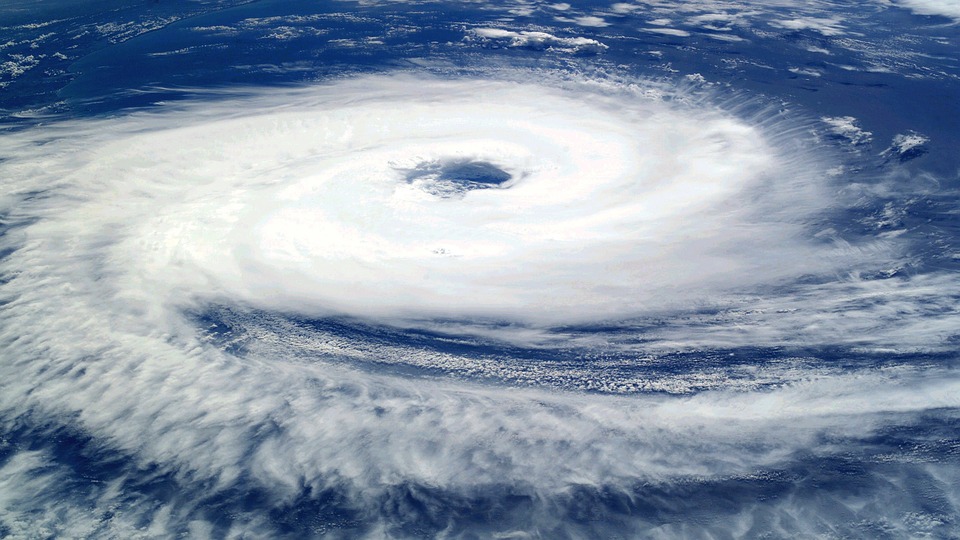
For those living or working in the Atlantic hurricane region, June 1st rarely passes unnoticed. At Setnor Byer Insurance & Risk, we understand that preparing for hurricane season is rarely easy and often stressful. We also understand that a lack of awareness and preparation can lead to disaster, and that the best way to limit the risks posed by hurricanes is to take preventative steps.

The National Oceanic and Atmospheric Administration’s 2014 Atlantic Hurricane Outlook predicts a 50% chance of a below-normal season, a 40% chance of a near-normal season and only a 10% chance of an above-normal season. According to NOAA, the 2014 hurricane season will bring:

  • 8 – 13 Named Storms (winds of 39 mph or higher)
  • 3 – 6 Hurricanes (winds of 74 mph or higher)
  • 1 – 2 Major Hurricanes (winds of 111 mph or higher)

These numbers are near or below the 1981 to 2010 seasonal averages of 12 named storms, six hurricanes and three major hurricanes. “Though we expect El Niño to suppress the number of storms this season,” NOAA administrator, Dr. Kathryn Sullivan, reminds us that, “it’s important to remember it takes only one land falling storm to cause a disaster.”

The 2014 hurricane season will also see changes in the information provided by the National Hurricane Center, including:

  • A smaller tropical cyclone forecast cone
  • The addition of a Potential Storm Surge Flooding Map, which will highlight areas where storm surge inundation could occur and the height above ground level that the water could reach
  • The elimination of the Intensity Probability Table due to misleading estimates of landfall intensity and excessive reliance on these estimates by the public

Though different situations call for different measures, here are some tips that can help you weather a storm.

Before the Storm

  • Monitor the news to allow time to prepare.
  • Identify all tools and equipment that will be needed to secure property before a storm and limit the damage after the storm (flashlights, batteries, caulking, tarpaulins, sandbags, cutting and fastening equipment, etc.).
  • Clear drains and downspouts to minimize the risk of flooding.
  • Move items inside.
  • Unplug electrical equipment and move property away from windows.
  • Check and secure all documents and records.
  • Take or update photographs of real and personal property.
  • Gather insurance policies and agent/insurer contact information.

After the Storm

  • Only after it has been declared safe to do so, take reasonably necessary steps to protect against any further property damage.
  • Report fallen power lines to power company immediately—stay away from them!
  • Check exterior walls and roof for damage from wind, rain, flying objects and rising waters (flood insurance).
  • Check all interior perimeter walls, floors and roof for leaks and water damage.
  • Document all damage with photographs and video.
  • Prepare detailed damage reports.
  • Call your insurer or agent as soon as possible to report damage.

While preparing for Hurricane Season is never easy, our team of experienced and responsive professionals can work with you to make sure that your personal and business property are protected in the event of a hurricane. With over 30 years of experience dealing with tropical storms and hurricanes, Setnor Byer Insurance & Risk has a long history of helping our clients prepare before the storm and, more importantly, providing support through the process of rebuilding after the storm.

If you would like more information about protecting your personal and business property during the 2014 Hurricane Season, please contact us.

If you’d like to subscribe to our weekly newsletters please click here.

Developing a Cybersecurity Framework

In February 2013, President Obama issued Executive Order 13636 on Improving Critical Infrastructure Cybersecurity. This Order calls for the development of a framework of industry standards and best practices to help organizations manage increasing cybersecurity risks. On February 12, 2014, the National Institute of Standards and Technology (NIST) responded to the President’s order with its Cybersecurity Framework.

The Cybersecurity Framework, which was created in collaboration with the private sector, focuses on using business drivers to guide cybersecurity activities. It is a risk-based approach that uses common language to address and manage cybersecurity risks in a business-specific, cost effective way. This voluntary framework is made up of three parts, each of which reinforces the connection between business drivers and cybersecurity activities.

The Framework Core provides a set of activities designed to achieve specific cybersecurity outcomes. The core is made up of five broad functions that help organizations express their management of cybersecurity risks.

  • Identify: Develop organizational understanding to manage cybersecurity risks to systems, assets, data and capabilities.
  • Protect: Develop and implement appropriate safeguards to ensure delivery of critical infrastructure services.
  • Detect: Develop and implement appropriate activities to identify the occurrence of a cybersecurity event.
  • Respond: Develop and implement appropriate activities to respond to a cybersecurity event.
  • Recover: Develop and implement appropriate activities to maintain operations and restore capabilities or services impaired by a cybersecurity event.

Framework Implementation Tiers provide context on how organizations view cybersecurity risks and the processes in place to manage that risk. Tiers are used to describe an organization’s commitment and sophistication in managing cybersecurity risks. They also describe the extent to which cybersecurity risk management is informed by business needs and integrated into an organization’s overall risk management practices.

The four tiers reflect a progression from informal, reactive responses to cybersecurity risks to approaches that are agile and risk-informed.

  • Tier 1 (Partial)
  • Tier 2 (Risk Informed)
  • Tier 3 (Repeatable)
  • Tier 4 (Adaptive)

Determining which tier applies to an organization depends on current risk management practices, threat environment, regulatory requirements, business objectives and organizational constraints. However, the NIST notes that tiers do not represent maturity levels, so progression to higher tiers is encouraged when it would reduce cybersecurity risks in a cost effective manner.

The Framework Profile is the alignment of an organization’s cybersecurity framework with its business requirements, risk tolerance and resources. Profiles enable organizations to establish a roadmap for reducing cybersecurity risk that meets organizational goals, implements best practices, considers regulatory requirements and reflects priorities.

Profiles can be used to describe an organization’s current state or target state of cybersecurity activities. Comparing current and target profiles can be used to identify gaps in an organization’s cybersecurity risk management practices. Given the need for flexibility, the NIST did not impose or require a specific form or format that must be followed when creating and implementing a profile.

It is important to remember that the Cybersecurity Framework is voluntary and that, according to the NIST, it will not place additional regulatory requirements on businesses. Nevertheless, it should serve as a reminder that data security breaches can happen to any organization.

As we have seen, preventative measures are not foolproof, so organizations should also consider protecting against data security breaches with insurance. Given the complexity of the risk, an experienced insurance agent should be consulted to ensure that adequate coverage is obtained.

If you would like to learn more about insuring against data security breaches, contact us.

If you would like to learn more about preventing data security breaches, take our online course Information Risk Management: Strategies for Preventing and Mitigating Information Security Breaches

If you would like to subscribe to our newsletters please click here.

Are You Ready for the 2013 Hurricane Season?

For those living or working in areas at risk of experiencing a tropical storm or hurricane, June 1st rarely passes unnoticed. At Setnor Byer Insurance & Risk, we understand that preparing for Hurricane Season is rarely easy and often stressful. We also understand that a lack of awareness and preparation can make a bad situation worse, and that the best way to limit the risk is to take preventative steps now.

The National Oceanic and Atmospheric Administration (NOAA) estimates a 70 percent probability that the 2013 Hurricane Season will bring:

  • 12 – 18 Named Storms (winds of 39 mph or higher)
  • 6 – 10 Hurricanes (winds of 74 mph or higher)
  • 3 – 6 Major Hurricanes (winds of 111 mph or higher)

These estimates indicate that activity will exceed the seasonal average of 11 named storms, six hurricanes and two major hurricanes.

According to NOAA administrator Jane Lubchenco, Ph.D., “the United States was fortunate last year. Winds steered most of the season’s tropical storms and all hurricanes away from our coastlines…However we can’t count on luck to get us through this season. We need to be prepared, especially with this above-normal outlook.”

Though different situations call for different measures, the following tips can assist you in developing your own plan for dealing with the 2013 Hurricane Season.

Before the Storm

  • Monitor the news to allow time to prepare.
  • Identify all tools and equipment that will be needed to secure property before a storm and limit the damage after the storm (flashlights, batteries, caulking, tarpaulins, sandbags, cutting and fastening equipment, etc.).
  • Clear drains and downspouts to minimize the risk of flooding.
  • Move items inside.
  • Unplug electrical equipment and move property away from windows.
  • Check and secure all documents and records.
  • Take or update photographs of real and personal property.
  • Gather insurance policies and agent/insurer contact information.

After the Storm

  • Only after it has been declared safe to do so, look for any property damage and take reasonably necessary steps to protect against any further damage.
  • Report fallen power lines to power company immediately–stay away from them!
  • Check exterior walls and roof for damage from wind, rain, flying objects and rising waters (flood insurance).
  • Check all interior perimeter walls, floors, and roof for leaks and water damage.
  • Document all damage with photographs and video.
  • Prepare detailed damage reports.
  • Call your insurer or agent as soon as possible to report damage.

While preparing for Hurricane Season is never easy, our team of experienced and responsive professionals can work with you to make sure that your home, cars and property are protected.

For over 30 years, Setnor Byer Insurance & Risk has been helping our clients prepare before the storm and rebuild after. Our clients benefit from a Hurricane Insurance Program that includes an emergency and after hours claims service hotline in addition to guidance for disaster planning.

If you would like more information about how Setnor Byer Insurance & Risk can help you prepare for the 2013 Hurricane Season, contact us.

If you would like to subscribe to our newsletters please click here.

Notice of Work-Related Fatality

Do employers have seven days to notify the Occupational Safety and Health Administration of a work-related incident that has resulted in the death of an employee?

No. All employers covered by the Occupational Safety and Health Act of 1970 are required to notify the Occupational Safety and Health Administration (OSHA) within eight (8) hours after the death of any employee from a work-related incident. This requirement also applies to any work-related incident resulting in the in-patient hospitalization of three or more employees. Employers must provide this notice by telephone or in person at the OSHA Area Office nearest to the site of the incident. Employers may also notify OSHA by using the toll-free central telephone number, 1-800-321-OSHA. For each incident, an employer must provide OSHA with the name of the establishment; the location of the incident; the time of the incident; the number of fatalities or hospitalized employees; the necessary contact information; and a brief description of the incident.

In addition to notifying OSHA, employers in some states may have additional notification requirements following the death of an employee. For example, in Florida, an employer must report the fatality by telephone or telegraph within twenty-four hours to the Department of Financial Services. In Minnesota, employers have forty-eight hours to report a death or serious injury that occurred during the course of employment to the state commissioner. Given such variations in reporting requirements, employers should consult with a licensed professional in their jurisdiction to determine all applicable reporting requirements before the need ever arises.

“Young People Need Not Apply”: The Legality of Adult-Only Condominium Communities

As a country of laws, the United States has gone to great lengths to ferret out and eliminate discrimination, having deemed it antithetical to a free and fair society. Federal and state statutes are replete with anti-discrimination laws that affect virtually every facet of modern life. Interestingly, and perhaps ironically, one such law that was enacted primarily to eliminate discrimination expressly legalizes it against a particular group – the “young.”

Title VIII of the Civil Rights Act of 1968, known as the Federal Fair Housing Act (FHA), protects all citizens from discrimination in housing and real estate-related transactions on the basis of race, color, national origin, religion, sex, handicap, or familial status. The prohibition against discrimination on the basis of familial status, including an exemption for “older” persons, was added to the FHA in 1989. However, unclear drafting of the exemption led to significant confusion regarding its interpretation. In 1995, the confusion surrounding the exemption was addressed by the Housing for Older Persons Act (HOPA). Under the HOPA, the FHA’s prohibition against discrimination on the basis of familial status does not apply with respect to “housing for older persons,” a designation that includes condominiums. As a result, this exemption essentially gives a condominium association the authority to exclude “young people” from living in a community.

The HOPA designates three types of housing communities as eligible for consideration as “housing for older persons,” thereby qualifying them for the exemption from the FHA’s anti-discrimination provisions. The first type includes housing provided under any state or federal program that is specifically designated and operated to assist elderly persons. The second type includes housing that is intended for and solely occupied by, persons 62 years of age or older. The third type is housing for persons 55 years of age or older, the category into which some condominiums fall.

To qualify for the HOPA’s third type of exempt housing, the community must be intended and operated for occupancy by persons 55 years of age or older. The following factors may be considered relevant when determining whether or not a community has exhibited the necessary intent to operate as housing for persons at least 55 years of age:

  • The manner in which the community is described to prospective residents;
  • Any advertising designed to attract prospective residents to the community (although phrases such as “adult living” or “adult community” are insufficient to meet this requirement);
  • Lease provisions;
  • Written rules, regulations, or covenants adopted by the community;
  • The maintaining and applying of relevant procedures to community governance;
  • The community’s actual practices; and
  • Public postings in the community’s common areas.

This intent must also be evidenced by published policies and procedures to which the community adheres.

In addition to displaying the requisite intent, at least 80% of the occupied units must be occupied by at least one person who is 55 years of age or older. To calculate this figure, the total number of units in the community must be counted. From that number, the following units should be excluded from the calculation of the 80% requirement:

  • Units that have been continuously occupied by the same residents since September 13, 1998, none of whom are or were 55 years of age or older;
  • Unoccupied units;
  • Units occupied by employees of the community who are under the age of 55 and who provide substantial management and maintenance services to the community; and
  • Units occupied solely by persons who are necessary or essential to provide medical or health and nursing care services as a reasonable accommodation to residents.

From the remaining units, the percentage of units that are occupied by at least one person age 55 or older should be calculated.

The community must also comply with any applicable rules governing the verification of these occupancy requirements. Generally, verification of compliance with the 80% requirement must be done using reliable surveys and affidavits. Additionally, the validity of such information, whether obtained through surveys or other means, must be verified at least once every two years. The HOPA also contains several safe-harbor provisions that protect the designation as “housing for older persons.”

In addition to the HOPA, states have similarly exempted “housing for older persons” from their own anti-retaliation laws. For example, Florida’s Fair Housing Act and Georgia’s Fair Housing laws use language that is virtually identical to the HOPA with regard to exempting housing for older persons. Additionally, those communities that wish to be recognized as exempt “housing for older persons” may need to register with the appropriate state administrative office, such as the state of Florida’s Commission of Human Relations.

Despite its discriminatory effect, the HOPA has survived constitutional challenges because courts have held that Congress acted reasonably in enacting the HOPA to protect the interests “of senior citizens who live in retirement communities,” many of whom may have a particular need for an affordable, safe, and supportive environment. The exemption provided by the HOPA allows these communities to devote more resources to facilities and services for older persons, and fewer if any resources for schools, daycare facilities, and child safety programs. These are but some of the social benefits provided by this unique type of discrimination in the housing context.

Condominiums seeking to implement or maintain a community that provides “housing for older persons” have to jump through many procedural, and, depending on applicable state law, administrative hoops. However, since the HOPA runs contrary to the nation’s deep-rooted egalitarian ideals, such policing measures are certainly appropriate when permitting forms of discrimination not usually tolerated in other contexts.

Will it Ever End?: An Insurance Perspective on the 2004 Hurricane Season

Charley, Frances, Ivan, Jeanne- Floridians have had to indulge a few unwelcome guests as Mother Nature unleashed one hurricane after another within a two month period. The Sunshine State, to some, has been aptly renamed the Hurricane State. The Hurricane Season has yet to end, and Florida has already seen unprecedented activity and direct insured losses that may very well exceed 20 billion dollars.

Prior to this season, Andrew was the last major hurricane to hit Florida. The costliest natural disaster in U.S. history, Andrew caused $26.5 billion1 in damages, but this season’s hurricanes, adjusting for the time value of money, may get close to that figure. After all, hurricane season is not over yet, and already there are estimates that more than one in five homes in the State have been damaged. The number of claims are expected to hit 2 million, far surpassing Andrew’s 700,000.

Now, new questions arise from within the industry and Insureds, including concerns about the impact on future premiums and market capacity. There is also some uneasiness regarding carrier insolvency. And, most importantly, there is the ultimate uncertainty as to whether our State and citizens can “weather the next storm.”

While there are many issues to contend with, Tom Gallagher, Chief Financial Officer of Florida’s Department of Financial Services, says that the Department is ready to assist residents. “To help Floridians with these disasters, we have ordered insurance companies not to cancel or non-renew homeowners policies through the hurricane season. In addition, no insurance policy may be cancelled solely as a result of claims filed because of these storms.” This is very good news to Florida policyholders. Gallagher further asserts that insurance rates should not go up just because of the storms. He says, “Rates gone up just for rates’ sake because of storms? That is not going to happen.”

Still, others disagree. Bob Hartwig, Chief Economist for the Insurance Information Institute, predicts “there’s going to be pressure on rates in Florida. The industry’s resources need to be bolstered.” Industry experts report, though, that effective and aggressive catastrophic modeling and financing throughout the past decade will leave most of Florida’s insurers financially sound, even after the final numbers are in. Rate increases should be moderate and will largely be due to price increases within the reinsurance marketplace, which offers insurance products to primary insurers to fund losses in excess of specified retained amounts. “Hurricane Andrew was a great industry lesson,” said Karlene Lawrence of Setnor Byer Insurance & Risk, “after 1992, insurers increased rates to rebuild surplus and fund future losses, developed stringent underwriting standards, and built reliable and affordable risk financing programs, in part, due to the formation of the Florida Hurricane Catastrophe Fund, which reimburses insurers for a portion of their hurricane losses.”

It also should be noted that the property and casualty industry has had record performance in the most recent quarters, with a growth in surplus, and 15% return on equity. This recent financial performance is, in part, why the industry has the capacity to pay the losses caused by the storms.

So far, it seems that the insurance companies, although overwhelmed by the volume of losses, are doing their part in financing our State’s recovery. Of course, there are also costs associated with the four disasters and recovery that are either uninsured, or not necessarily a subject of insurance, such as the downturn in a local economy.

The question arises, often, however, as to whether insurance can or should finance a larger percentage of losses. In fact, many insureds are questioning the policies they’ve purchased, concerned with either an uninsured loss, or for those not damaged by the storm, questioning the extent to which their coverage would have responded. Commercial policies are a cumbersome and complicated reading, at best, but a reasonable perspective to advance regarding the extent to which an Insured should rely on insurance for funding a loss, is that if insurance is available, and affordable, it should be considered, and weighed against the probability and severity of a potential loss.

Now, after the storm, people should consider reviewing their insurance choices, and along with their Agent or Consultant, revisit their financing options, and seriously consider alternatives for financing certain risks. For some, affordable alternatives to insurance to finance loss may be a month’s worth of income in reserve. For others, it may be a satellite back-up for communications systems, generators to maintain power, alternative premises to operate from, or redundancy in suppliers or vendors.

Unfortunately, many events, whether precipitated by a storm or other catastrophe, are not covered within the basic structure of most policies, particularly, commercial property policies; and the insurance, if available, is often cost prohibitive, particularly when one considers the number of years of increased premiums one would have to expend for an unknown loss of some unknown magnitude, triggered by any potential number of events.

Although not a comprehensive list, a brief overview of a standard commercial property policy reveals that none of the following are guaranteed, automatic offerings, and each insured should take the time to address recovery systems for dealing with potential loss resulting from : spoilage of perishable stock, whether from off-premises power or water failures, or a machinery accident; profits in finished stock; rising waters (flood); electrical surge; reproduction of electronic data; order by civil authorities that interrupt business when adjacent properties are not damaged; foundations, underground pipes; outdoor or detached properties; demolition; debris removal; and ordinances or laws that direct the destruction of a property or requires a reconstruction to newer code.

Business Interruption Insurance, often viewed as a panacea for income replacement, is actually quite restrictive in most offerings, and when broadened to extend to respond to a broader set of occurrences, can actually become unaffordable. This insurance, in the form generally provided under standard industry policies, requires damage to an insured location or property. Damage to other properties, whether the property of a vendor upon which the insured relies on for supplies, or off-premises utilities, are not automatically included. Additionally, the business interruption form, as generally purchased, provides for little if any payment after a business is repaired. What of the weeks and months to rebuild a customer base? Business Interruption from the breakdown of equipment, whether the breakdown emanates from the machine or an off-premises utility, is not an automatic offering, nor is business interruption from damage to electronic data. A bit overwhelming, yes?

So, before the next Hurricane Season, each Insured should consider requesting a clarification of their policy language, and what operating and recovery alternatives or redundancies they should build into their enterprise in order to guarantee their survival in the event of a catastrophe. For an in-depth analysis of the risks that affect you and your business, whether an Insured or friend of Setnor Byer Insurance & Risk, call our offices at 1-888-253-8498.