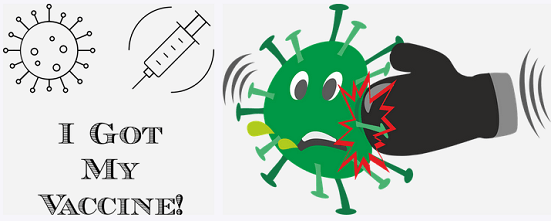
Florida Issues Updated COVID-19 Guidance for Child Care Facilities

By Anita Byer, Setnor Byer Insurance & Risk

The Florida Department of Health made significant changes to its COVID-19 guidance for child care facilities. On February 24, 2022, Florida’s Governor and State Surgeon General jointly announced the new guidance as part of their “Buck the CDC” initiative. Perhaps the most notable change to Florida’s COVID-19 guidance involves the wearing of face masks.

Unlike guidance issued by the Centers for Disease Control and Prevention, Florida is no longer relying on the wearing of facial coverings in community settings, including child care facilities. According to Florida’s Department of Health, “there is not strong evidence that facial coverings reduce the transmission of respiratory viruses.” As a result, the new guidance states that the decision to wear masks inside a child care facility should be left to each child’s parent or legal guardian.

The updated guidance also includes the following COVID-19 isolation recommendations.

1) If a staff member or a child at your child care facility tests positive for COVID-19 and is symptomatic:

  • The staff member or child should stay at home and away from others for five days from the date the symptoms began (if the staff member or child is experiencing symptoms).
  • The staff member or child can return to the child care facility on day six if they have been fever-free for 24 hours and symptoms, if any, are improving.

2) If a staff member or a child at your child care facility tests positive for COVID-19 and is asymptomatic:

  • The staff member or child should stay at home and away from others for five days from the date of the COVID-19 positive test.
  • The asymptomatic staff member or child can return to the child care facility on day six.

3) If a staff member or a child at your child care facility is exposed (within 6 feet for more than 15 minutes within 24 hours) to someone with COVID-19:

  • If symptoms of COVID-19 develop, stay home.
  • If asymptomatic, the staff member or child does not need to quarantine, however, continue to monitor for symptoms for 10 days after exposure.
  • Follow the guidance in section 1 if the staff member or child tests positive for or has symptoms of the virus that causes COVID-19.

Early Learning Centers and other child care facilities should review the updated guidance carefully to determine whether or to what extent Florida’s new guidelines may affect their current COVID-19 safety protocols. Please contact us for additional information about protecting your Early Learning Center during the COVID-19 pandemic.

EEOC Updates COVID Guidance to Address Pandemic-Related Workplace Retaliation

By Anita Byer, Setnor Byer Insurance & Risk

The Equal Employment Opportunity Commission (EEOC) updated its COVID-19 technical assistance to address retaliation in pandemic-related employment situations. This was prompted in part by the fact that retaliation has been the most frequently alleged form of discrimination for many years. According to EEOC Chair Charlotte Burrows, the update “provides additional clarity on how our laws balance workers’ rights to speak up without fear of retaliation against employers’ responsibilities to create a healthy and safe work environment.”

The anti-retaliation updates apply to the exercise of rights under the federal equal employment opportunity (EEO) laws. Though the laws remain the same, the updated technical assistance communicates the EEOC’s position when it comes to COVID-related retaliation claims. The EEOC notes that retaliation protections apply to current employees, whether they are full-time, part-time, probationary, seasonal or temporary. They also apply to job applicants and to former employees (such as when an employer provides a job reference).

Retaliation includes any employer action in response to EEO activity that could deter a reasonable person from engaging in protected EEO activity, such as reporting or resisting EEO violations, filing a charge of discrimination or requesting an accommodation. Depending on the facts, unlawful retaliation can include:

  • denial of promotion or job benefits;
  • non-hire;
  • suspension or discharge;
  • work-related threats or warnings;
  • negative or lowered evaluations; or
  • transfers to less desirable work or work locations.

Retaliation could also include an action that has no tangible effect on employment, or even an action that takes place only outside of work, if it might deter a reasonable person from exercising EEO rights. However, depending on the specific situation, retaliation likely would not include a petty slight, minor annoyance, or a trivial punishment.

The EEOC notes that engaging in protected EEO activity does not prevent discipline of an employee for legitimate reasons.  Employers are permitted to act based on non-retaliatory and non-discriminatory reasons that would otherwise result in discipline.  This would include non-retaliatory, non-discriminatory action to enforce COVID-19 health and safety protocols, even if such actions follow EEO activity, like an accommodation request.

To reduce the likelihood of claims, employers should proceed cautiously when presented with any COVID-19-related matter. This may include seeking counsel from a licensed professional. Employers need Employment Practices Liability Insurance to cover the high cost of defending actual and alleged claims of unlawful conduct. Why? The EEOC is watching and offending employers are paying.

Please contact us for additional information about protecting your business during the COVID-19 pandemic.

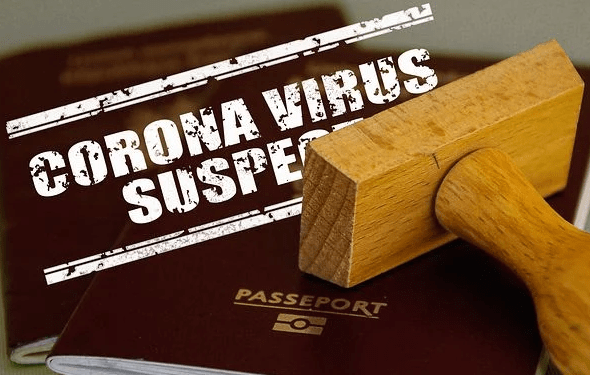
This is What Businesses Need to Know About Florida’s COVID-19 ‘Vaccine Passport’ Ban

By Anita Byer, Setnor Byer Insurance & Risk

Florida’s ban on so-called COVID-19 ‘vaccine passports’ begins July 1, 2021. Unlike guidance issued by public health authorities like the Centers for Disease Control and Prevention, Florida’s ban on COVID-19 vaccine passports is mandatory, not voluntary. Those who fail to comply can be fined up to $5,000 per violation. As a result, businesses have a vested interest in knowing what they can and cannot do under Florida’s new COVID-19 vaccine documentation law.

Who is subject to the ban? The law broadly applies to most business entities in Florida, as well as educational institutions and governmental entities. It does not apply to various healthcare-related businesses, which are specifically identified in the statute.

What is a business entity? The law broadly defines business entity to include any business operating in Florida. Unless specifically excluded, any form of corporation, partnership, association, cooperative, joint venture, business trust or sole proprietorship that conducts business in this state must comply with the vaccine passport ban.

What does the law prohibit? Covered business entities “may not require patrons or customers to provide any documentation certifying COVID-19 vaccination or post-infection recovery to gain access to, entry upon, or service from the business operations in this state.”

What does the law allow? Covered business entities are allowed to institute screening protocols consistent with authoritative or controlling government-issued guidance to protect public health.

Does the ban extend to employees? No. The law prohibits business entities from requiring “patrons or customers” to provide vaccination documentation. Legislators could have added “employees” to the list, but they didn’t.

The law itself is short and relatively straightforward, but like most things COVID, questions remain. For example, how will potential conflicts between Florida’s ban on vaccine passports and Florida’s COVID-19 Liability Protection law be resolved? Time will tell. In the meantime, since we don’t yet know how this law will be interpreted or enforced, those who are (or may be) covered business entities should proceed with caution.

Please contact us for more information about risk management measures and insurance to protect your business against COVID-19-related liability claims.

This Is What Businesses Need To Know About Florida’s COVID-19 Liability Protection Law

Florida’s COVID-19 liability protection law should help businesses avoid baseless coronavirus-related liability claims. After all, COVID-19 taught us that it’s virtually impossible to avoid a highly-contagious virus in the midst of a global pandemic. Virus-free zones are an illusion. The risk of exposure and infection can be reduced with preventative measures, but not eliminated. Nevertheless, a growing number of businesses are being sued by plaintiffs seeking compensation for personal injuries resulting from alleged exposure to COVID-19. In response, the Florida Legislature enacted a law that provides business establishments heightened legal protections against COVID-related liability.

The law seeks to deter unfounded claims against individuals and business while allowing meritorious cases to proceed. It does this by imposing heightened proof and pleading standards on plaintiffs filing COVID-19-related claims. The statute broadly defines a “COVID-19-related claim” to include civil liability claims against a person or business entity for damages, injury or death that arise from or are related to COVID-19, regardless of how the claim is denominated or presented. (A separate statute generally applies to COVID-19 claims against health care providers.)

Under this new law, COVID-19-related claims must be commenced within one year after the cause of action accrues. If the cause of action accrued prior to March 29, 2021, the plaintiff’s deadline to file a complaint is March 29, 2022. The complaint must be pled with particularity. Specific facts and details, as opposed to general statements and conclusory allegations, are required. The plaintiff must also submit a Florida-licensed physician’s affidavit attesting, within a reasonable degree of medical certainty, that the plaintiff’s COVID-19-related damages, injury or death occurred as a result of the defendant’s acts or omissions. If the plaintiff fails to comply with either of these requirements, the case will be dismissed without prejudice, which means they will be given another opportunity to comply.

Once these requirements are satisfied, the court will determine whether the defendant was making a good faith effort to substantially comply with any authoritative or controlling government-issued health standards or guidance at the time of plaintiff’s alleged exposure to COVID-19. This would include guidance issued by the CDC, the Florida Department of Health, counties, cities, etc. If the court finds a good faith effort, the defendant will not be liable for any act or omission associated with the COVID-19-related claim; otherwise, the plaintiff’s case will be allowed to proceed. But to win, the plaintiff must prove by clear and convincing evidence that the defendant’s conduct was grossly negligent, meaning that the likelihood of injury was known by the defendant to be imminent. Otherwise, the plaintiff will lose and the defendant will not be liable.

The broadest protections afforded by this law are reserved for those making a good faith effort to substantially comply with authoritative COVID-19 guidance. This should encourage businesses to implement reasonable and recommended preventative measures to reduce the risk of exposure and infection. Remember, businesses are not immune from COVID-19-related claims. If a plaintiff can satisfy the statute’s heightened pleading requirement (particularity), elevated burden of proof (clear and convincing evidence) and stricter standard or care (gross negligence), your business may be held liable.

Please contact us for more information about risk management measures and insurance to protect your business against COVID-19-related liability claims.

What Does it Mean to be Fully Vaccinated Against COVID-19?

In the United States, nearly 2.5 million doses of the COVID-19 vaccine are being administered every day. More than 40 million Americans have been fully vaccinated against COVID-19. People are considered fully vaccinated two weeks after receiving a single-dose vaccine (Johnson & Johnson) or two weeks after their second dose in a 2-dose series (Pfizer or Moderna). According to the Centers for Disease Control and Prevention, fully vaccinated people can start doing some of the things they stopped doing because of COVID-19.

People who have been fully vaccinated:

  • can gather indoors with other fully vaccinated people without wearing a mask;
  • can gather indoors with unvaccinated people from one other household without masks, unless anyone has an increased risk of severe illness from COVID-19; and
  • do not need to quarantine or get tested if they are exposed to someone with COVID-19 yet remain symptom-free. (The CDC recommends that people living in a group setting should still isolate for 14 days and get tested, even those without symptoms.)

More must be learned about the COVID-19 vaccine, so for now, the CDC recommends that fully vaccinated people should still take precautions (masks, social distancing, etc.) when in public, when gathering with unvaccinated people from more than one other household or when visiting with an unvaccinated person who is at increased risk of severe illness or death from COVID-19 or who lives with someone else who is. According to the CDC, fully vaccinated people should also:

The CDC will continue to update its recommendations as more is learned about the COVID-19 vaccines. In the meantime, the CDC is urging everyone, including those who are fully vaccinated, to continue taking precautions when recommended.

Identity Theft Alert: FBI, HHS Warn of Emerging Fraud Schemes Involving COVID-19 Vaccines

Cyber criminals routinely incorporate the “crisis-du-jour” into scams to increase their likelihood of success. COVID-19, it seems, is no exception. In a single week, Google saw 18 million coronavirus-related malware and phishing emails…per day! It’s gotten so bad that the Federal Bureau of Investigation, the Department of Health and Human Services and the Centers for Medicare & Medicaid Services found it necessary to warn the public about emerging fraud schemes related to COVID-19, particularly those involving COVID-19 vaccines.

According to the HHS Office of Inspector General, criminals are using calls, text messages, social media and even door-to-door visits to perpetrate their crimes. They offer vaccine-related benefits in exchange for personal information. HHS warns, however, that these benefits are unapproved and illegitimate and that scammers use your personal information to fraudulently bill federal health care programs and commit medical identity theft.

To protect against these schemes, authorities urge everyone to be on the lookout for potential indicators of fraud, including the following.

  • Advertisements or offers for early access to a vaccine upon payment of a deposit or fee.
  • Requests for cash payments to get vaccinated or to be put on a COVID-19 vaccine waiting list.
  • Offers to undergo additional medical testing or procedures when obtaining a vaccine.
  • Offers to sell or ship doses of a vaccine (domestically or internationally) in exchange for payment of a deposit or fee.
  • Unsolicited emails, texts, calls or personal contact from someone claiming to be from a medical office, insurance company or COVID-19 vaccine center requesting personal or medical information to determine eligibility to participate in clinical vaccine trials or obtain the vaccine.
  • Claims of FDA approval for a vaccine that cannot be verified.
  • Advertisements for vaccines through social media, email, phone, texts, online or from unsolicited or unknown sources.
  • Individuals contacting you in person, by phone or by email to tell you the government requires you to receive a COVID-19 vaccine.

Cyber criminals are nothing if not creative. They are constantly hatching new schemes to stay a step ahead of the authorities. Fortunately, HHS offers a simple, yet effective tip for protecting you and your family from cyber criminals and identity thieves—do not share your personal information with those who are unknown or unsolicited.

When preventative measures fail, insurance is available to help victims through the expensive and time-consuming process of recovery. Please contact us if you would like more information about insurance specifically designed to protect against identity theft.

CDC Offers Thanksgiving Tips to Keep COVID-19 Away on Turkey Day

Setnor Byer Insurance & Risk

With more than 1 million new COVID-19 cases reported over the last seven days, the Centers for Disease Control and Prevention (CDC) is pleading with Americans to celebrate Thanksgiving at home this year. Unfortunately, travel and gatherings with family and friends who do not live with you can increase the chances of getting or spreading COVID-19. For those who are nevertheless planning to host or attend Thanksgiving celebrations, the CDC urges you to take the following preventative measures.

Travelling

  • Check travel restrictions before you go.
  • Wear a mask with at least two layers over your nose and mouth. Practice social distancing.
  • Wash your hands often with soap and water or hand sanitizer. Avoid touching your mask, eyes, nose and mouth. Bring extra supplies (masks, hand sanitizer, etc.).

Attending a Gathering

  • Bring your own food, drinks, plates, cups and utensils.
  • Wear a mask and stay at least 6 feet apart from anyone who is not in your household.
  • Avoid areas where food is being prepared or handled.
  • Use single-use options (salad dressing, condiments, etc.) and disposable items (containers, plates and utensils).

Hosting a Gathering

  • Encourage guests to eat and socialize outdoors. If celebrating indoors, open windows.
  • Limit the total number of guests and the number of people in food preparation areas.
  • Let guests know what to expect before they arrive.
  • Regularly clean and disinfect frequently touched surfaces and items.
  • Have guests bring their own food and drink.
  • If sharing food, have one person serve food and use single-use options.
  • Politely remind guests to keep practicing everyday preventative measures throughout the event.

Finally, the CDC cautions that while the risk of getting or spreading COVID-19 can be reduced, it cannot be eliminated. You should not host or attend in-person Thanksgiving celebrations if you:

  • have been diagnosed with an active COVID-19 infection;
  • have symptoms of COVID-19;
  • are waiting for COVID-19 viral test results;
  • may have been exposed to someone with COVID-19 in the last 14 days; or
  • are at increased risk of severe illness from COVID-19.

Stay safe and Happy Thanksgiving!

Trick-Or-Treating During COVID-19? CDC Releases Halloween Safety Tips

Setnor Byer Insurance & Risk

Last we checked; Halloween was still on the calendar. Good thing too, because after a year full of tricks, we deserve a few treats. Yet, there are legitimate concerns about celebrating Halloween during the pandemic. The decision to go trick-or-treating is ultimately a personal one, but it doesn’t necessarily have to be all-or-nothing. Activities can be made safer by taking appropriate preventative measures to reduce the risk of spreading or getting COVID-19. For those of you thinking about trick-or-treating this year, the Centers for Disease Control & Prevention (CDC) offers the following safety tips.

 Trick-or-Treating

  • Avoid direct contact with trick-or-treaters.
  • Give out treats outdoors, if possible.
  • Set up a station with individually bagged treats for kids to take.
  • Wash hands before handling treats.

Wear a Mask

  • Make your cloth mask part of your costume.
  • A costume mask is NOT a substitute for a cloth mask.
  • Do NOT wear a costume mask over a cloth mask. It can make breathing more difficult.
  • Masks should NOT be worn by children under the age of 2 or anyone who has trouble breathing.

Wash Your Hands

  • Bring hand sanitizer (at least 60% alcohol) with you. Use it after touching objects or other people.
  • Supervise young children using hand sanitizer.
  • Wash hands with soap and water for at least 20 seconds when you get home and before you eat any treats.

Keep Your Distance

  • Stay at least 6 feet away from others who do not live with you.
  • Indoors and outdoors, you are more likely to get or spread COVID-19 when you are in close contact with others for a long time.

The CDC acknowledges that some traditional Halloween activities can increase the risk of getting or spreading COVID-19, so people may want to consider other ways to celebrate this year. Those with an increased risk of severe illness due to age or underlying medical conditions should take extra precautions.

Regardless of how you to celebrate, stay safe, look after each other and have fun. Happy Halloween!

October is National Cybersecurity Awareness Month

Cybersecurity Awareness Month was launched in 2004 to promote online safety and security. This is particularly important in 2020 because so many things took a back seat when coronavirus disease 2019 arrived. COVID-19 may dominate the headlines, but data security breaches continue to pose a serious threat to small businesses nationwide. According to the Federal Trade Commission, cyber criminals target businesses of all sizes, so all are encouraged to take advantage of Cybersecurity Awareness Month 2020.

This year’s theme, “Do Your Part. #BeCyberSmart,” is intended to empower individuals and organizations to own their role in maintaining cybersecurity. The key message in 2020 emphasizes the importance of doing your part. “If you connect it, protect it.” Small businesses can reduce the risk of a cybersecurity incident by educating employees about basic cybersecurity measures and putting them in practice. The FTC suggests various measures that every small business should have in place.

  • Update Software. This includes apps, web browsers and operating systems. Set updates to happen automatically.
  • Back Up Files. Regularly back-up important files (offline, external hard drive, in the cloud, etc.).
  • Require Strong Passwords. All devices should be password protected. A strong password is at least 12 characters that includes numbers, symbols and capital and lowercase letters. Never reuse or share passwords.
  • Encrypt Devices. Encryption protects information from unauthorized access. Any devices containing sensitive information should be encrypted. This includes laptops, tablets, smartphones, removable drives, backup tapes and cloud storage solutions.
  • Use Multi-Factor Authentication. Require multi-factor authentication to access sensitive information. This requires additional steps beyond logging in with a password, like entering a temporary code or providing additional identifying information.
  • Secure Routers and Wireless Networks. Change the default name and password, turn off remote management and log out as the administrator once the router is set up. Make sure your router offers WPA2 or WPA3 encryption, and that it’s turned on.
  • Train Employees. Create a culture of security by implementing a regular schedule of mandatory employee training. Update employees about new risks or vulnerabilities.
  • Have a Plan. A response plan should be in place before a data breach happens. It should include plans for protecting and saving data, maintaining operations and notifying customers affected by the beach.

Implementing, maintaining and updating security policies and procedures is important, but it’s not always enough. Small and medium-sized businesses should have Cyber Perils Insurance Coverage to protect against various cyber threats and liability exposures, including the cost of complying with data breach notice laws. Please contact us if you would like more information about insurance specifically designed to protect against cyber threats and data security breaches.

Florida’s Workers’ Compensation Insurance Rates Expected to Decrease in 2021

Florida employers may see lower workers’ compensation insurance premiums in 2021. The National Council on Compensation Insurance is proposing a statewide average rate decrease of 5.7 percent for 2021. NCCI is a licensed rating organization authorized to submit workers’ compensation rate filings on behalf of insurance companies in Florida. NCCI’s proposed rate decrease, which must be approved by Florida’s Office of Insurance Regulation, would apply to new and renewal policies effective January 1, 2021.

Why are rates going down? According to NCCI, the workers compensation system is experiencing unprecedented results nationwide. The frequency of claims continues to decrease due to technology, safer workplaces and improved risk management. NCCI also credits the combination of underwriting discipline, moderating severity, declining frequency and adequate reserves for controlling loss ratios.

It’s worth noting that the data used to calculate the proposed rate decrease does not include claims from coronavirus disease 2019 (COVID-19). NCCI is gathering and reviewing data, but it’s too soon to know how COVID-19 may directly or indirectly impact claims frequency, severity or duration. While it’s possible that COVID-19 could result in significant claims and deteriorating loss ratios, NCCI notes that the pandemic’s overall impact on system costs may be small. An increase in compensable claims for frontline workers, for example, may be offset by a decrease in workers’ compensation claims due to the increased number of employees working remotely due to the pandemic. Again, it’s too soon to know for sure.

Florida’s Office of Insurance Regulation is currently reviewing NCCI’s rate filing to ensure the proposed rates are not excessive, inadequate or unfairly discriminatory. The OIR is also evaluating potential effects on the insurance marketplace and on employers required by law to carry workers’ compensation insurance. Once the proposed voluntary rate level change is determined, NCCI separately determines rates for each workers compensation job classification (class code).

Please contact us if you have any questions about employee classification codes or want to discuss ways to lower your workers’ compensation insurance premiums.