Grandfathered Flood Insurance Premiums Can Be Locked-In Indefinitely, But Time is Running Out

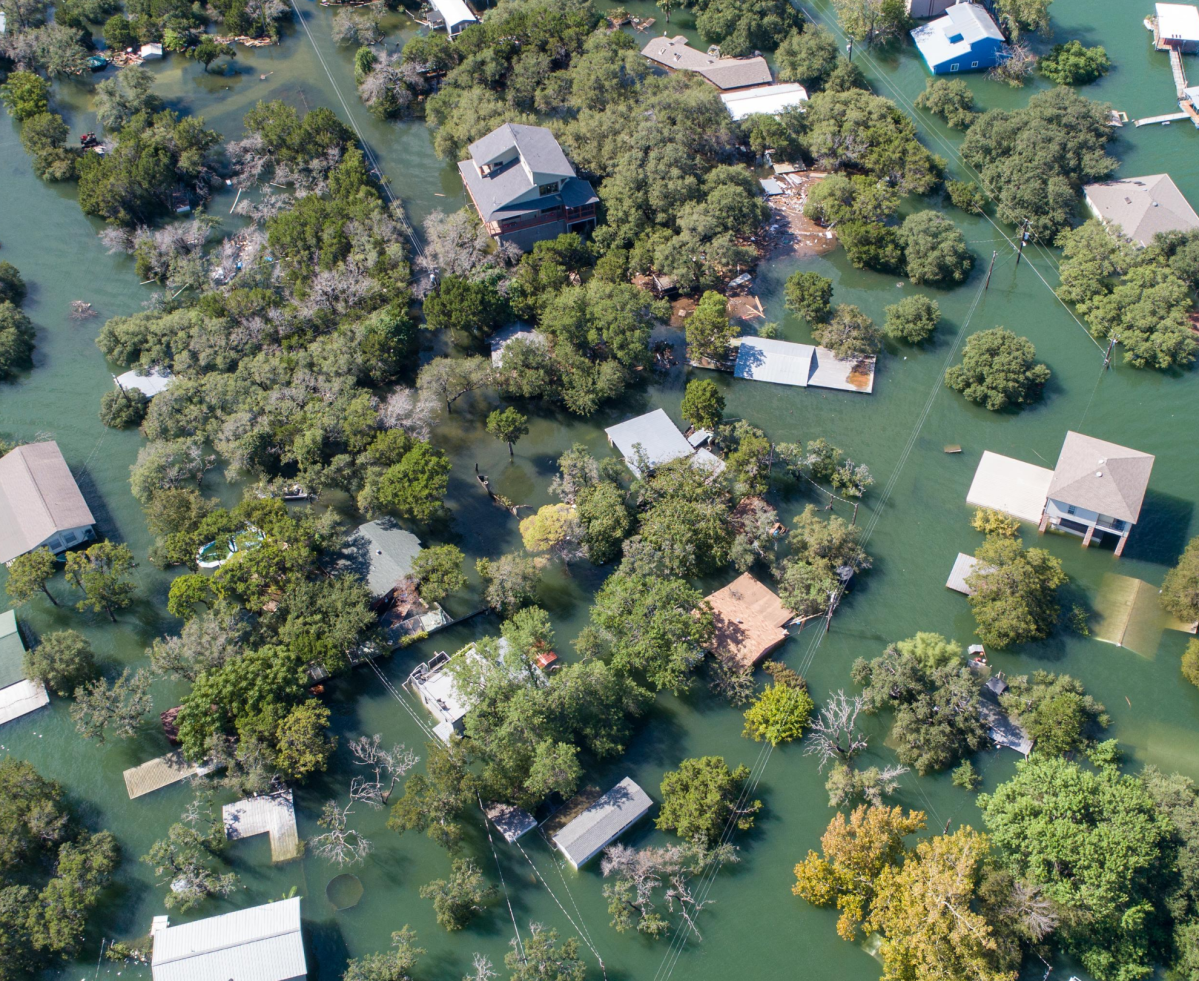
The Federal Emergency Management Agency is in the midst of a multi-year initiative to update flood zone maps in more than 20,000 communities nationwide. Current maps need updating to more accurately reflect the risk of flooding. Flood hazards change over time and maps in some areas are based on decades old data. As a result, many will see their current flood insurance premium rates increase sharply. Others will be notified by mortgage lenders that under their new flood zone map, they are now required to purchase and maintain flood insurance.

The good news is that it’s possible to lock in the lower premium by using the current flood map even after the updated map goes into effect. However, to take advantage of the National Flood Insurance Program’s grandfathering options, you will most likely need to act BEFORE the updated flood zone map becomes effective.

Continuous Coverage Grandfathering. To qualify for this option, you must purchase and maintain flood insurance coverage before the new map goes into effect. If you do, your premium will be calculated using the pre-update flood zone or Base Flood Elevation (BFE) even after the updated map becomes effective. Your grandfathered rate is locked in for as long you maintain continuous flood insurance on the property. It can even be transferred to the new owner if your property is sold.

By taking advantage of the continuous coverage grandfathering option, you can save hundreds if not thousands of dollars per year for as long as you own the property. But remember, once an updated map becomes effective, the continuous coverage grandfathering option disappears forever. However, the NFIP offers another option for those who fail to secure flood insurance prior to the updated map’s effective date. Unfortunately, it’s not available to everyone and is significantly more complicated and burdensome than the continuous coverage grandfathering option.

Built-In-Compliance Grandfathering. To qualify for this option, you must provide documentation showing that the property was built in compliance with the flood map in effect at the time of construction and that the property has not been substantially improved. You are not eligible for built-in-compliance grandfathering if your property was constructed before your community’s first flood zone map went into effect.

FEMA’s flood zone remapping initiative is expected to continue for years. If the process hasn’t already started in your community, it may just be a matter of time. If your property is at risk of being remapped into a higher risk flood zone, there may not be much time left to lock in your grandfathered flood insurance rates. Otherwise, you may miss the chance enjoy substantial savings for years or decades to come.

Please contact us if you would like more information about the National Flood Insurance Program’s grandfathered premium options or are interested in obtaining flood insurance.
Lessons from Hurricane Irma

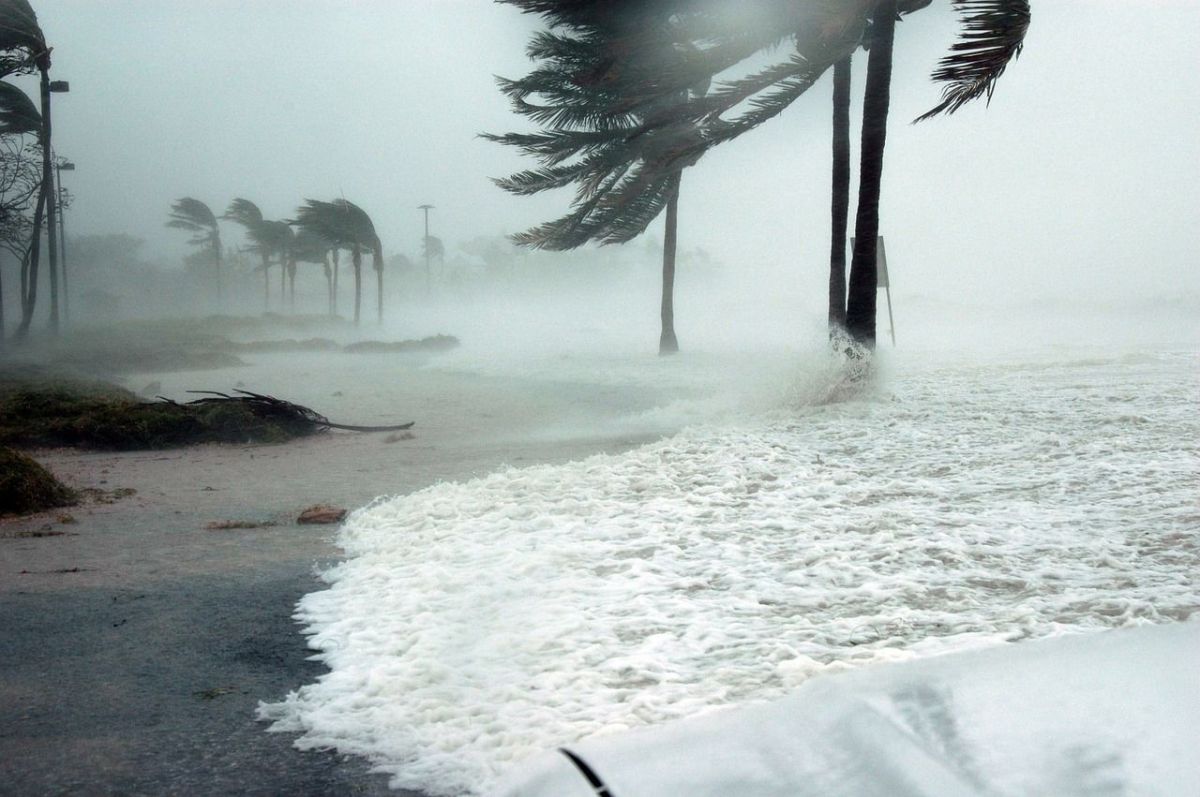
Hurricane Irma was an unprecedented storm that affected literally everyone in Florida. Most of us were either expecting or experiencing a direct hit. All of us were given at least a glancing blow. Even though the mess remains and recovery efforts are ongoing, it’s not too soon to share what we learned from Hurricane Irma.

Setnor Byer Insurance & Risk has been helping clients prepare for and recover from hurricanes for nearly 40 years, but Hurricane Irma was different. As the steadily intensifying storm made its way toward Florida, we received an unprecedented number of calls from clients asking about flood insurance for their homes and businesses. Why?

Obviously, everyone is concerned when a massive category 5 hurricane is heading their way, but there was another reason. We all saw the catastrophic flooding in Texas caused by Hurricane Harvey just a few weeks earlier. The damage was devastating. So was the news that nearly 80% of homeowners in the counties most directly affected by Hurricane Harvey did not have flood insurance.

According to the Federal Emergency Management Agency (FEMA), floods are the most common and costliest natural disaster. Unfortunately, too many businesses refuse to carry flood insurance simply because they are not located in a high-risk flood zone. Neither were a majority of those flooded by Hurricane Harvey.

Flood zones are always being remapped, but it’s a long process that can take years. Updated maps quickly become out-of-date. Moreover, the process of identifying property that is susceptible to flooding is not a perfect science. For example, flood zone determinations fail to adequately consider:

  • Localized drainage issues;
  • Long-term erosion;
  • Ongoing development;
  • Topographic variances on individual properties; or
  • The failure of flood control systems.

This is why every home and business should have flood insurance, regardless of whether they are located in a high-risk flood zone. Premiums are relatively affordable, particularly when you consider the risks assumed by a flood insurance policy, such as the:

  • Overflow of inland or tidal waters;
  • Collapse of land along a body of water from waves or currents; and
  • Rapid accumulation of surface waters from any source, including blocked storm drains and broken water pipes below the surface of the ground.

Even if the risk of flooding may not be particularly high for your home or business, this is also true of countless other risks covered by insurance policies. Yet, many would never go without insurance to cover their personal homes and cars. Just like they wouldn’t consider going go without general liability insurance, professional liability insurance, employment practices liability insurance or commercial auto insurance to protect their businesses.

Uninsured flood damage can devastate any home or business, even those not located in high-risk flood zones. Over the course of just a few weeks, we’ve seen the landfall of not one, not two, but three hurricanes that rank among the most powerful storms in recorded history.

Those relying on flood zone maps to justify their decision to not purchase flood insurance should seriously reconsider.

Please contact us to learn more about flood insurance for your home and business.

To receive regular updates, please subscribe to our weekly newsletters.