
“Young People Need Not Apply”: The Legality of Adult-Only Condominium Communities

As a country of laws, the United States has gone to great lengths to ferret out and eliminate discrimination, having deemed it antithetical to a free and fair society. Federal and state statutes are replete with anti-discrimination laws that affect virtually every facet of modern life. Interestingly, and perhaps ironically, one such law that was enacted primarily to eliminate discrimination expressly legalizes it against a particular group – the “young.”

Title VIII of the Civil Rights Act of 1968, known as the Federal Fair Housing Act (FHA), protects all citizens from discrimination in housing and real estate-related transactions on the basis of race, color, national origin, religion, sex, handicap, or familial status. The prohibition against discrimination on the basis of familial status, including an exemption for “older” persons, was added to the FHA in 1989. However, unclear drafting of the exemption led to significant confusion regarding its interpretation. In 1995, the confusion surrounding the exemption was addressed by the Housing for Older Persons Act (HOPA). Under the HOPA, the FHA’s prohibition against discrimination on the basis of familial status does not apply with respect to “housing for older persons,” a designation that includes condominiums. As a result, this exemption essentially gives a condominium association the authority to exclude “young people” from living in a community.

The HOPA designates three types of housing communities as eligible for consideration as “housing for older persons,” thereby qualifying them for the exemption from the FHA’s anti-discrimination provisions. The first type includes housing provided under any state or federal program that is specifically designated and operated to assist elderly persons. The second type includes housing that is intended for and solely occupied by, persons 62 years of age or older. The third type is housing for persons 55 years of age or older, the category into which some condominiums fall.

To qualify for the HOPA’s third type of exempt housing, the community must be intended and operated for occupancy by persons 55 years of age or older. The following factors may be considered relevant when determining whether or not a community has exhibited the necessary intent to operate as housing for persons at least 55 years of age:

  • The manner in which the community is described to prospective residents;
  • Any advertising designed to attract prospective residents to the community (although phrases such as “adult living” or “adult community” are insufficient to meet this requirement);
  • Lease provisions;
  • Written rules, regulations, or covenants adopted by the community;
  • The maintaining and applying of relevant procedures to community governance;
  • The community’s actual practices; and
  • Public postings in the community’s common areas.

This intent must also be evidenced by published policies and procedures to which the community adheres.

In addition to displaying the requisite intent, at least 80% of the occupied units must be occupied by at least one person who is 55 years of age or older. To calculate this figure, the total number of units in the community must be counted. From that number, the following units should be excluded from the calculation of the 80% requirement:

  • Units that have been continuously occupied by the same residents since September 13, 1998, none of whom are or were 55 years of age or older;
  • Unoccupied units;
  • Units occupied by employees of the community who are under the age of 55 and who provide substantial management and maintenance services to the community; and
  • Units occupied solely by persons who are necessary or essential to provide medical or health and nursing care services as a reasonable accommodation to residents.

From the remaining units, the percentage of units that are occupied by at least one person age 55 or older should be calculated.

The community must also comply with any applicable rules governing the verification of these occupancy requirements. Generally, verification of compliance with the 80% requirement must be done using reliable surveys and affidavits. Additionally, the validity of such information, whether obtained through surveys or other means, must be verified at least once every two years. The HOPA also contains several safe-harbor provisions that protect the designation as “housing for older persons.”

In addition to the HOPA, states have similarly exempted “housing for older persons” from their own anti-retaliation laws. For example, Florida’s Fair Housing Act and Georgia’s Fair Housing laws use language that is virtually identical to the HOPA with regard to exempting housing for older persons. Additionally, those communities that wish to be recognized as exempt “housing for older persons” may need to register with the appropriate state administrative office, such as the state of Florida’s Commission of Human Relations.

Despite its discriminatory effect, the HOPA has survived constitutional challenges because courts have held that Congress acted reasonably in enacting the HOPA to protect the interests “of senior citizens who live in retirement communities,” many of whom may have a particular need for an affordable, safe, and supportive environment. The exemption provided by the HOPA allows these communities to devote more resources to facilities and services for older persons, and fewer if any resources for schools, daycare facilities, and child safety programs. These are but some of the social benefits provided by this unique type of discrimination in the housing context.

Condominiums seeking to implement or maintain a community that provides “housing for older persons” have to jump through many procedural, and, depending on applicable state law, administrative hoops. However, since the HOPA runs contrary to the nation’s deep-rooted egalitarian ideals, such policing measures are certainly appropriate when permitting forms of discrimination not usually tolerated in other contexts.
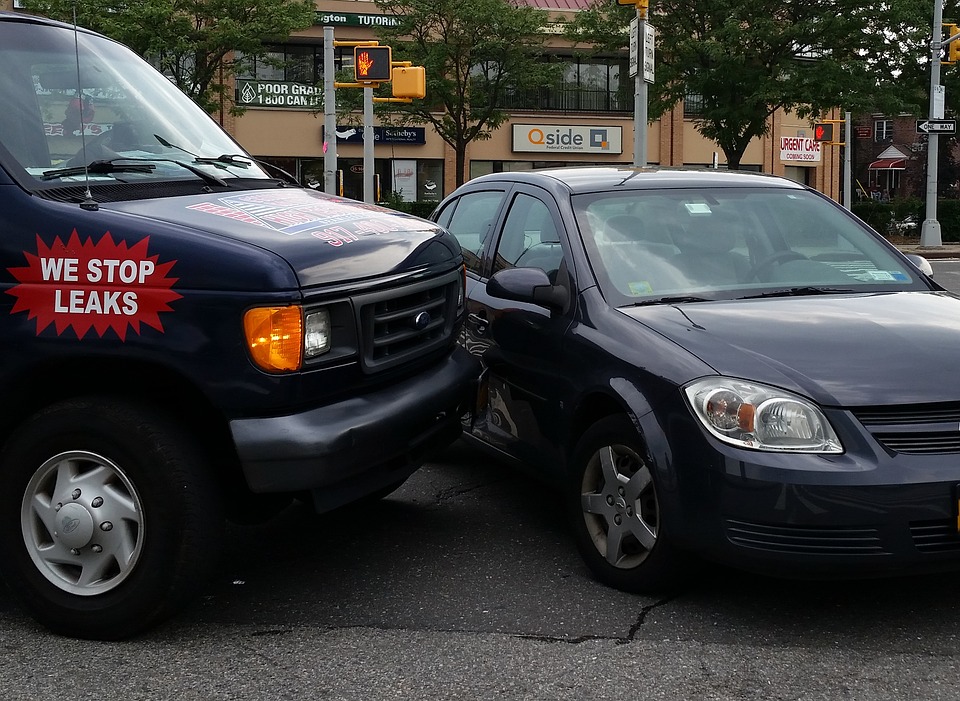

When Are Accidents Preventable? A Guide for Organizations Seeking to Minimize Losses and Keep Auto Insurance Rates Reasonable

Every organization’s risk manager dreads a phone call like this from one of the company’s drivers:

“I’ve been in an accident. I’m okay, and so is the other driver, but my vehicle is totaled. It wasn’t my fault, though – the other car just came from nowhere!”

Of course, you’re relieved no one was hurt, but you can’t help thinking with chagrin, “This could cost us a lot of money.”

And you have good reason to be concerned. Aside from the cost of replacing the vehicle and the likely disruption in business operations, you’re worried that another claim against your commercial auto policy could result in a substantial increase in your premium.

That’s why the time to act is before you send your drivers out on the road, and that means having in place a robust loss control and safety program that includes training drivers in accident avoidance. And since the objective of all safe driving courses is to teach drivers to prevent accidents from happening in the first place, drivers must be taught the concept of preventability.

Preventability is the basis for determining whether an accident could have been avoided in spite of any adverse driving conditions and in spite of any unsafe practices on the part of the driver who caused the accident. In other words, even if a driver is not ticketed for or charged with causing an accident, that doesn’t necessarily mean that the accident was not, from the driver’s perspective, preventable.

It should be made clear that preventability is not, in this context, a legal concept used to determine fault or establish negligence. Instead, preventability is a determination based on the belief that driving safely and minimizing the risk of accidents requires consistent adherence to defensive driving principles and techniques endorsed by the National Safety Council.

Of course, given the many factors involved in auto accidents, establishing specific criteria for determining when an accident should be deemed preventable is difficult. Nonetheless, managers must have in place standards for preventability that they explain clearly to drivers and that they apply consistently and impartially when assessing drivers’ performance.

Negotiating Intersections

It’s well known that many accidents occur at intersections, and while you might assume that even safe drivers are powerless against drivers who run red lights or stop signs, that’s not the case. A basic principle of defensive driving is that drivers should approach, enter, and cross intersections in a manner that compensates for other drivers’ failure to obey traffic signs or conform to traffic laws.

Here’s a perfect example: After the light at an intersection turns green, a driver immediately accelerates and is then struck by another vehicle, coming from the opposite direction, that has run a red light.

The driver whose vehicle was struck will not be charged with the accident, as it is clear that it was the other driver who broke the law. But the accident might still have been prevented if the driver not at fault had paused, looked to the left, to the right, and then to the left again before proceeding. In other words, that driver could have prevented the accident by allowing for the other’s recklessness.

That’s why defensive drivers, when they encounter the complex traffic flow, blind spots, and illegal maneuvers of other drivers that are all too common at busy intersections, can prevent accidents by proceeding with caution.

When Cars Collide

The key to preventing front-end collisions rests largely on whether drivers observe the proper following distance at all times. In ideal road conditions, a driver should maintain a two- to three-second following distance between his or her vehicle and the one immediately ahead; in bad conditions, an even greater following distance is recommended.

Nighttime front-end collisions often occur when drivers “overdrive their headlights,” that is, they travel at a speed at which they cannot come to a complete stop within the distance illuminated by their vehicle’s headlights. Instructing drivers to stay within “the headlight zone” is key to preventing nighttime collisions.

When their vehicle is struck from behind in a classic “rear-ender,” drivers may automatically assume that the accident could not have been prevented, but experience suggests otherwise. The risk of rear-end collisions increases if the lead driver has not maintained a proper following distance with the car in front. So when a driver must stop suddenly to avoid hitting the car ahead of his or her own, and then gets rear-ended by another tailgating driver, that accident may legitimately be deemed “preventable.”

Similarly, other rear-end collisions that can be prevented include those that occur when the driver in front:

  • Allows the vehicle to roll backwards;
  • Stops too abruptly when a traffic signal changes (usually because the driver was speeding); and
  • Fails to use turn signals.

Backing accidents are almost always preventable, even when the driver reversing the vehicle is getting “help” with the maneuver. Simply put, the driver is the only person who can control the vehicle and therefore is entirely responsible for checking the vehicle’s clearance by using rear- and side-view mirrors properly and looking backward when necessary.

So what should defensive drivers do to prevent both front- and rear-end collisions? Slow down, pay attention, maintain a safe distance from other cars, and be sure to signal their intentions to other drivers.

Passing Fancies

Accidents that occur during passing maneuvers are preventable for the simple reason that the act of passing another vehicle is almost always voluntary; therefore, the passing driver is responsible for and capable of preventing accidents that could result from his or her driving decisions.

Let’s say that a driver is struck by the vehicle he or she is attempting to pass because that vehicle unexpectedly and improperly speeds up to avoid being overtaken. While the other driver has technically “caused” the accident by striking the passing vehicle, it is possible that the passing driver’s judgment will be deemed poor and the maneuver ill-considered. Such an accident is certainly preventable.

And what about when a vehicle is sideswept or cut off by another vehicle attempting to pass it? If the driver being passed has failed to yield to the other vehicle by slowing down or by safely moving to the right, then the resulting accident, though not the fault of the driver being passed, could have been prevented by defensive driving.

Safe Driving is No Accident

Of course, there are other situations in which driving defensively can prevent accidents often thought of as unavoidable, and we’ll discuss some of these in next month’s newsletter.

But it’s always a good idea to review the standards of defensive driving with those employees who operate a vehicle as part of their job.

Defensive drivers:

  • Make allowances for other drivers’ lack of skill and improper driving habits;
  • Adjust their driving to the current weather, road, and traffic conditions;
  • Compensate for the unsafe actions of pedestrians;
  • Remain alert to accident-producing situations and take every precaution to avoid accidents; and
  • Know when they must yield right of way, slow down, or stop to avoid being involved in accidents.

Adherence to these standards is in both your employees’ and your organization’s best interest.

Filling the Risk Management Gap: How Employment Practice Liability Insurance Can Protect Your Business

Consider this scenario:

An employee in your organization files a discrimination lawsuit, alleging that she was not promoted because of her gender. You’re confident that the promotion went to the better-qualified candidate and believe you have sufficient documentation to support this decision. Still, having to defend your organization against her claim in a court of law could be costly; legal fees might seriously deplete your business’s cash reserves, perhaps even lead to bankruptcy. But you were smart: Two years ago, you purchased an Employment Practice Liability Insurance (EPLI) policy, which covers precisely this sort of situation. While you’ll have to do some serious damage control with your clients and work to boost employee morale, your business is protected from devastating financial losses.

Learn more about employment liabilities with our online course “An Overview of Employment Liabilities.”

Only $29.95

Such a scenario is quite possible in today’s increasingly litigious business climate, in which even the most proactive employers can find themselves in violation of one of the many employment laws governing the workplace. That’s why EPLI has become an almost necessary part of a business’s insurance umbrella. EPLI protects employers in the event of such workplace claims as discrimination, wrongful termination, and sexual harassment. Generally, a policy covers eligible losses stemming from such causes of action, as well as associated litigation costs, including attorneys’ fees. And the insurer will provide the services of attorneys who specialize in defending against such claims, significantly increasing the likelihood that employers will prevail in the event litigation does occur.

Maybe you think that your business’s Commercial General Liability (CGL) policy protects you in such situations. Think again. In most cases, CGL policies specifically exclude employment practice claims. All CGL policies protect your business against losses resulting in bodily injury or property damage; employment practice claims, however, generally involve injuries that are mental, emotional, and economic in nature and are therefore outside the range of protection offered by CGL insurance.

What does an EPLI policy typically cover? Among the most common situations are:

  • Discrimination and retaliation;
  • Sexual and general workplace harassment;
  • Negligent hiring;
  • Breach of employment contract;
  • Wrongful termination, dismissal, or discharge;
  • Violations of the Family and Medical Leave Act;
  • Situations involving defamation, libel, and slander; and
  • Denial of training or deprivation of seniority.

EPLI is available in many different forms. Most commonly purchased as a stand-alone policy or as an endorsement to a Directors & Officers policy, an EPLI policy is generally available in claims-made format, meaning that the policy will cover only those claims made during its term. An EPLI policy also requires that the insured give prompt notice to the carrier as soon as the insured becomes aware of facts or circumstances that might give rise to a claim. Most EPLI policies are subject to a single-policy aggregate limit of liability covering both defense and indemnity, meaning the costs of defending against a claim will diminish the amount paid to cover settlements or judgments. Some carriers will allow an insured to purchase defense as well as policy limits, thereby placing the litigation defense costs outside the amount available for indemnity. Ultimately, the best course of action is to consult your insurance agent, who can assist you in choosing the policy that suits your business’s needs and provides you with the appropriate level of protection.

As with any liability policy, EPLI may not cover certain risks, including:

  • Risks covered by other policies, such as a CGL;
  • Intentional, criminal, fraudulent, or malicious acts;
  • Contractual liability;
  • Strikes and lockouts; and
  • Violations of the Occupational Safety and Health Act.

Of course, EPLI insurance should be considered only the last line of defense in a healthy business’s risk management arsenal. As is the case in so many situations, knowledge is power: Providing your employees with comprehensive, regular training can substantially reduce the risk that they will engage in the sort of illegal or unethical behavior that leads to litigation. Also, well-written and properly enforced Human Resources policies and procedures are essential for keeping your business in compliance with the many and varied regulations covering the workplace. A good example of the inestimable value of training in preventing employee misconduct is the decline since 2000 in the number of sexual harassment claims filed each year; the drop is often attributed to the comprehensive sexual harassment training many employers now require as a condition of employment. By contrast, one area that seems to be giving rise to more claims against employers is that of wage and hour law; given the ambiguities of some businesses’ salary classifications and overtime policies, there is more room for charges of improper treatment that can lead to litigation against an employer. And though most EPLI policies currently exclude wage and hour claims, some insurers have begun offering coverage for these claims as an extension of an EPLI policy.

The good news is that EPLI policies are practical and usually quite affordable. You should carefully examine your business’s training programs, employment practices, and compliance record to determine its degree of exposure to litigation and weigh these factors against the costs of EPLI. Such a risk inventory may make clear that the cost of an EPLI policy may be a relatively small price to pay when measured against the ruinous financial penalties that can result from employment-practice litigation.