Did You Know? November 2008

Did you know that your business equipment is exposed to a unique set of risks not common to other types of property? When your equipment suffers a sudden, accidental breakdown, as a result of an event like an electrical short circuit or a power surge, your business operations and income flow may stop just as quickly. Standard property insurance does not provide protection against the unique risks associated with the breakdown of equipment. Equipment Breakdown Insurance, also referred to as Boiler and Machinery Insurance, covers accidents involving electrical equipment; air-conditioning and refrigeration systems; boilers and pressure vessels, computers and communications equipment; and mechanical equipment. This insurance will pay the cost of repairing and replacing damaged equipment covered under the policy, costs that often greatly exceed the policy’s premium. Any resulting losses in business income, as well as additional costs incurred in trying to restore operations quickly, may also be covered under such a policy.

Virtually every business needs equipment to operate. If you use electricity; heat, cool, or refrigerate your premises; or manufacture goods on machines, then you do rely on some type of equipment to generate revenue for your business. When that equipment stops, so does your business.

Don’t take that chance. For more information regarding Equipment Breakdown Insurance, please contact us today.

Protect Your Business: Dishonesty Bonds

True story: A bookkeeper for a gas station began stealing from his employer, embezzling thousands of dollars in just a few months. The owner, unaware of the employee’s dishonesty, went on vacation, leaving the bookkeeper with unsupervised access to the business’s bank accounts. Upon returning, the owner discovered that the bookkeeper had absconded and that the business had suffered a huge financial loss.

If you’ve ever had to deal with employee theft, then you know what a serious threat it poses to your business. But how bad is the problem? Consider these sobering statistics:

  • According to a study by the Association of Certified Fraud Examiners, businesses lose an average of 7% of their annual revenues to fraud, a figure that translates to about $994 billion in losses when measured against the projected Gross Domestic Product (GDP) for 2008.
  • The same study revealed that businesses with 100 employees or less, because they typically have fewer fraud-detecting resources than larger companies, suffer disproportionately higher losses, amounting to a median loss of $200,000.
  • A U.S. Chamber of Commerce survey reported that one-third of business bankruptcies are due to employee theft.

Given the current state of the U.S. economy, business trend watchers predict that employee theft is likely to increase next year. And while all employers would prefer to believe that their employees are above suspicion, experts recommend that they take sensible measures to protect their businesses from this insidious “inside” threat.

Some anti-theft measures include these:

  • Hire the Right People: Conducting background checks before hiring individuals, especially those whose positions give them access to cash or credit card information, is a necessity. The process includes past employment verification, criminal background checks, drug screenings, education/certification verification, etc
  • Implement Effective Controls: Limiting access to cash and financial information, keeping certain employees’ duties separate to prevent collusion, and conducting both regular and irregular audits all make it harder for employees to steal.
  • Keep Employees Informed: Regularly explaining to employees your company’s policies and procedures on preventing, detecting, and punishing fraud, as well as reviewing the company’s ethical standards, can discourage theft.
  • Provide a Confidential Reporting System: Giving employees access to an anonymous “hotline” by which they can safely report their suspicions has reduced theft and fraud significantly in companies that have implemented such a system.

Yet, even with strict controls in place, theft and fraud happen. That’s why businesses require the protection of a Dishonesty Bond.

The Dishonesty Bond is a type of fidelity bond in which the insurer agrees to indemnify an employer for any loss the employer sustains as a result of the dishonesty of its employees. Because employee dishonesty is now regarded to be as predictable as other common business risks such as fire and liability, the Dishonesty Bond is handled more like insurance than a surety. In fact, the Dishonesty Bond is sometimes referred to as a crime policy, or, more formally, as Employee Dishonesty Coverage and is usually written on either a schedule or a blanket bond.

There are two types of schedule bonds:

  • The Name Schedule Bond, which covers only those employees listed on the schedule for a set amount accorded to that person; 
  • The Position Schedule Bond, which covers any employees occupying any one of the positions listed on the schedule for a set amount accorded to that position.

The other type of Employee Dishonesty Coverage is the blanket bond, which covers all of the insured’s employees without specifically naming them.

The two bond forms each have their advantages and disadvantages, so employers must choose the form that best addresses their particular risks. An insurance professional will assist employers in selecting the right coverage, as well as explain the terms of a policy, including:

  • Eligibility;
  • Types of losses covered;
  • Liability limits; and
  • Continuity of coverage.

Dishonesty Bonds are relatively easy to obtain and not that expensive; smart employers would do well to consult their insurance specialists if they do not have coverage already.

Any business can become a victim of employee theft, so don’t wait until your company is hit. Protect the business you have worked so hard to build.

Did You Know? October 2008

Did you know that in the event of a disaster, business interruption insurance can be just as vital to the survival of your business as coverage for your building and its contents?

While many business owners are concerned about property damage and the accompanying financial loss that can result from a disaster, they often neglect to protect themselves against the impact such damage could have on their revenue stream. That’s why they should consider acquiring business interruption insurance, which covers reductions in net income and provides an organization with the funds needed to pay normal operating expenses. Remember that a forced temporary closure of your business does not mean that your expenses stop. Payroll, mortgage/rent payments, money owed to suppliers, taxes, and even your own salary draw are all necessary expenses that you must meet. Business interruption insurance will keep needed capital flowing when you need it the most.

Extra expense insurance is also available to cover those expenses over and above normal operating costs that your company may incur as a result of maintaining operations during the repair/reconstruction period. Extra expenses are those that would not have been incurred had there been no loss or damage to your property, including the costs associated with relocating your business, such as renting space in a temporary location, advertising the new location, and obtaining additional equipment and supplies to sustain operations.

You have worked hard to establish your business and make it profitable. Being forced to suspend operations because of a fire, hurricane, or any other disaster has the potential to cause severe financial hardship. Adding business interruption coverage to your current insurance program is a prudent measure that can ensure that your company remains operational in the most difficult of circumstances – the times when the value of having the right insurance coverage becomes immeasurable.

Surety Bonds for Construction Firms: What Contractors Should Know

It goes without saying that before entering into a contract, especially a construction contract, any prudent businessperson should make sure that the contractor is not only qualified to do the work but also able to meet all the financial obligations required by the job. After all, if the contractor cannot pay for the labor, equipment, and materials required for the job, the work will not get done. The problem is that obtaining vital information about a construction firm’s finances is no easy task.

That’s where surety companies can provide an invaluable service. By definition, a surety is one who has contracted to be responsible for another, especially one who assumes responsibilities or debts in the event of default; the term is also used to describe the promise to provide such security. In the construction industry, a surety company will prequalify a contractor, based on both the contractor’s expertise and financial stability, before assuming the risk of contractor failure by performing an in-depth review of the contractor’s financial position and business operations.

So what does a surety look for prior to issuing a bond to a contractor? The surety company must ascertain that the contractor has the following:

  • A good reputation in the industry, backed by solid references;
  • The ability to meet current and future contractual obligations;
  • The equipment necessary to do the work (or the ability to obtain it);
  • Experience that matches the requirements of the contract;
  • The financial strength to support the desired construction project;
  • An excellent credit history; and
  • An established banking relationship with an available line of credit.

In addition to the information listed above, the surety company will also seek to establish that the contractor’s business is well managed; a surety wants to know if the contractor deals with clients fairly, keeps its promises, and satisfies its obligations in a timely manner. In fact, because prequalifying a contractor is such a comprehensive process, surety bonds are usually underwritten with very little expectation of loss.

Contractors seeking to ensure that they remain competitive in the industry and win their fair share of bids, both big and small, should consult an insurance specialist, who can help them meet the requirements for bonding prequalification.

Ordinance and Law Coverage

Did you know that, following a major disaster, some of your rebuilding expenses may not be covered by your property insurance? The costs of demolishing an undamaged portion of a building or of improving a structure to bring it up to code are specifically excluded under most property policies. Yet often, building codes and ordinances require that such measures be taken to bring a building into compliance with current law.

Buildings are constructed to meet or exceed the codes in effect at the time of their construction. But as buildings age, those codes often become obsolete as construction standards change in an ongoing effort to improve the fire safety, structural integrity, and energy efficiency of buildings. Enforcement of these new standards is triggered when an insured building experiences a covered loss, such as a fire or hurricane, and the structure must be rebuilt according to current, and stricter, codes. So how do you protect yourself from the burden of financing the additional costs of bringing your structure up to code? By adding Ordinance and Law Coverage to your current property insurance. Ordinance and Law insurance consists of three separate coverages: 1) loss to the undamaged portion of the building; 2) increased demolition costs; and 3) increased costs of construction. To learn more about Ordinance and Law Coverage and the benefits of adding this valuable coverage to your current property policy, please contact our office.

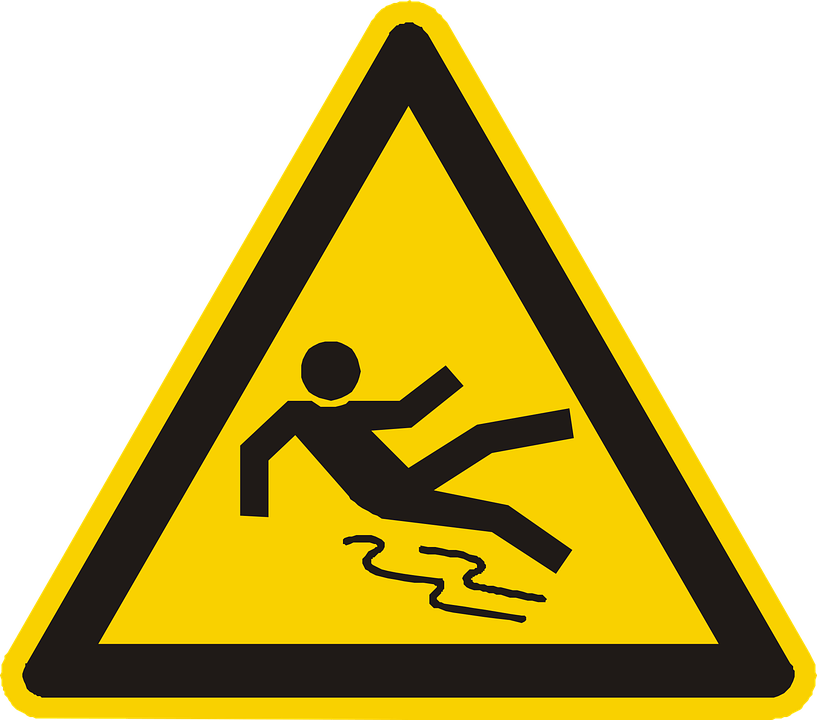
“Slippery When Wet”: Preventing Falls in Food Service Establishments

When asked to identify workplace hazards, people tend to recall extreme situations, such as collapsed mines or chemical explosions – incidents that make front-page headlines. Yet statistics show that employees face the greatest risk from falls, which can occur in any workplace – including yours.

According to the Bureau of Labor Statistics’ (BLS) Injuries, Illnesses, and Fatalities program, falls make up a significant percentage of nonfatal injuries in the workplace. Since 2003, the BLS has recorded approximately one quarter of a million nonfatal injuries per year that have resulted from employee falls in the workplace. In 2006, the BLS reported 151,750 nonfatal injuries from employee falls that caused them to miss work. Additionally, the BLS reported almost 800 employees died in 2006 due to a workplace fall.

Although falls can occur almost anywhere, some workplaces, by their very nature, pose a greater risk of falls than others. Food service establishments certainly fall within this category, particularly in back-of-the-house areas such as kitchens and storage rooms. Many of the risk factors for falls are found in food service establishments: frequent spills, slippery floors, and hurrying employees.

The good news is that the risk of falls in food service establishments can be significantly reduced, if not eliminated, by implementing a slip prevention program that includes the following elements:

  • Slip-Resistant Flooring: Slips and falls occur most often when an individual loses traction on a slick floor. The degree of traction afforded by a particular flooring surface can be measured by calculating the surface’s coefficient of friction. A higher coefficient of friction means more traction. Based on a study performed by the University of Michigan, the Occupational Safety and Health Administration (OSHA) noted that a coefficient of friction of 0.5 is recommended as a baseline for effective slip resistance. However, according to OSHA, a higher coefficient of friction may be necessary in certain workplaces. Thus, a food service establishment should consider installing flooring surfaces that provide the highest possible coefficient of friction for that workplace
  • Floor Coverings Made of Non-Slip Materials: Non-slip matting or floor coverings should be placed in all areas that routinely get wet. Areas exposed to oily or greasy substances, such as the floor around stoves and deep fryers, may require special matting specifically designed to maintain a high coefficient of friction even when these areas become greasy. Establishments that cannot afford to install slip-resistant flooring can use non-slip matting or floor coverings that provide better traction. And even workplaces that have slip-resistant flooring should use non-slip matting in areas regularly exposed to water or other slick substances.
  • An Appropriate Footwear Policy: Food service establishments should require that staff members wear slip-resistant shoes that provide a high coefficient of friction. The appropriate slip-resistant footwear may depend on the type of flooring surface in the establishment, so employers should determine which type of footwear is most suited to their workplace and make it a part of an employee’s required uniform.
  • Clean, Dry Walking Surfaces: OSHA regulations regarding walking surfaces require that employers keep floors clean and dry at all times, which can be accomplished by having in place a procedure for regular cleaning and drying of wet walkways. Additionally, an establishment’s maintenance policy should require the immediate cleanup of all spills. Employees must be trained in the proper methods of cleaning slick or oily surfaces and should be provided with the proper cleaning materials, such as warm water, brushes, wet/dry vacuum cleaners, and degreasing solvents.
  • Prominently Placed Warning Signs: In the hurried environment of a commercial kitchen, immediate cleanup may not always be possible. In such instances, signs that warn patrons and employees of wet floors or dangerous conditions should be used.
  • Sensible Service Policies: Anyone who has ever worked in a food service establishment knows that customers want their food immediately. However, harried employees under pressure to serve food and beverages quickly are at a significantly higher risk of falling themselves or of inadvertently increasing the risk of fall for others by spilling food or beverages they are carrying. Establishments must make sure that service policies encourage employees not to sacrifice safety for speed.
  • Consistent Rule Enforcement: It’s a given that anti-slip policies will protect employees and patrons only if rules are consistently enforced. Non-slip matting is useless if it is not properly placed, cleaned, and maintained. Warning signs serve no purpose if they are not placed when and where they are needed or if they have been left out so long that they are routinely ignored. And if employees are not reprimanded for wearing the wrong shoes, then a safe footwear policy becomes meaningless. Maintaining a safe workplace requires vigilance. Employees who repeatedly fail to abide by the rules created to protect them must be retrained, and, when necessary, appropriately disciplined

Workplace slips and falls can have dire consequences, resulting in serious, even fatal, injuries to employees, as well as damage to employers in the form of increased employee turnover, declines in productivity, and increased workers’ compensation costs. When employers make a coordinated and consistent effort to reduce the risk of slips and falls in the workplace, the benefits to both employees and the business itself exceed the costs associated with implementing fall prevention practices.

When Duty Calls, How Should Your Establishment Respond?

The Saturday night crowd in the popular restaurant is larger than usual. Guests are enjoying cocktails and conversations at the bar while waiting for a table. Food preparers are busy, but activity in the back of the house is going smoothly. Suddenly, a diner, in obvious distress, clutches his throat, seemingly unable to breathe. After a few tense moments, another member of the choking victim’s party gives his companion a few sharp blows to the upper back, dislodging the food that had caused the obstruction. Suffering from nothing more than some residual anxiety and a minor case of embarrassment, the diner appears no worse for wear.

The proprietor and staff breathe a collective sigh of relief, thankful that a calm, quick-thinking patron prevented what could have been a tragedy. Nevertheless, the incident raises an important question that all restaurant owners and operators must answer: What duty does a restaurant have to help a choking patron?

Generally speaking, the duty one individual owes to assist is necessarily relational. In other words, determining whether or not a duty is owed typically depends on the relationship between the individuals in question. For example, moral obligations aside, an individual who randomly comes across a stranger in need of assistance is generally under no legal obligation to render assistance to the distressed individual. However, if the law determines that a relationship does exist between the actors, then it may find that there is a legal duty to provide assistance.

In the restaurant context, a legal relationship does exist between the restaurant and its patrons because patrons are specifically invited to enter the restaurant’s premises for a purpose – buying and eating food – that is directly related to the restaurant’s business. Legally, this makes restaurant patrons invitees of the restaurant, as opposed to licensees (e.g., social guests) or trespassers. Once the relationship between the parties has been established, the duty a restaurant owes to its patrons can be determined.

Generally, a proprietor, a restaurant in this instance, is under an ordinary duty of care to render aid to an invitee after the proprietor knows or has reason to know that the invitee is ill or injured. In the context of choking patrons, courts have held that a restaurant must summon medical assistance within a reasonable time upon learning that a patron is choking.

Additionally, in the context of rendering first aid, courts have generally held that a restaurant is not under a duty to provide advanced first-aid, such as the Heimlich maneuver, to a choking patron. However, it is important to note that several states have enacted statutory provisions that may add to, or change, a restaurant’s obligations to choking patrons.

For example, Georgia’s statute requires the state’s Department of Human Resources to print and distribute notices explaining the proper procedure to be taken to assist or aid persons who are choking. Food service establishments are required to post and maintain these notices in conspicuous places on the premises. Like many other such statutes, Georgia’s provides immunity to any person who renders good faith emergency aid, without any charge, to persons who are choking.

Florida’s statute provides that a food service establishment must post a sign illustrating and describing the Heimlich maneuver. Additionally, the statute makes each food service establishment responsible for familiarizing its employees with the method of rendering such assistance. However, the statute expressly states that it does not impose a legal duty to render emergency assistance to a choking individual. Florida’s statute, like Georgia’s, also provides immunity to those who choose to render aid.

Oregon goes one step further by requiring food service employees in restaurants to be trained, within a reasonable time after hire, to administer emergency first aid to relieve any person choking on food particles. The Oregon statute contains an immunity provision similar to that found in the Georgia and Florida statutes.

The importance of being intimately familiar with any and all applicable state statutes or local regulations regarding choking patrons cannot be overstated. Owners and operators of restaurants should consult with a licensed attorney in every jurisdiction where their establishments operate to ensure strict compliance with the law.

Regrettably, the benefits of such compliance may become evident all too soon because, when it comes to choking, a situation can turn tragic in the blink of an eye. However, by making every effort the law demands, you not only decrease the likelihood of legal liability, but you also increase the likelihood that your patrons will enjoy pleasant and safe dining experiences.

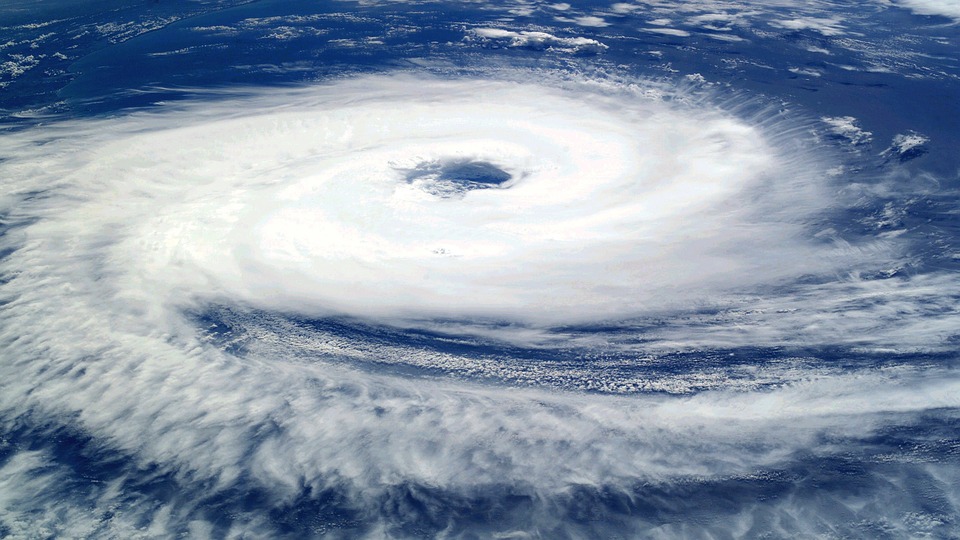
Hurricane Season 2008: Insureds Hope for the Best, Prepare for the Worst

With two catastrophic hurricane seasons behind us, we’ve all learned that insurance is not something that should be taken lightly. In fact, with the repeating cycle of hurricane seasons, concern over a repeat of 2005’s Wilma has become foremost in our minds, prompting discussion regarding property valuations, the meaning of certain language in policies, the application of deductibles and coinsurance, and a host of other issues.

Hurricane preparation is not unlike the sports philosophy of “the best offense is a good defense,” and Setnor Byer Insurance & Risk is available to assist insureds in their hurricane preparation.

A critical priority of each insured should be an analysis of their real and personal property values, and discussion of level of protection they need or want. The price of materials and labor has increased dramatically in the past few years, and many insureds are finding that their properties are significantly under-insured. Furthermore, due to a common clause in policies known as coinsurance, which restricts reimbursement for property that is underinsured, it is critical that real property be properly valued.

Commercial insureds need to develop mechanisms to recover or avert business interruptions due to storms and other catastrophic events. Clearly, insurance can be prohibitively expensive if an insured looks to transfer all such risks to its carrier. While interruptions attributed to direct damage to insured property are insurable and generally affordable, the cessation of business from damage to other properties (including overhead transmission lines or water and communications systems) are often uninsurable at a reasonable cost.

Deductibles should also be given some attention, particularly deductibles that are expressed as a percentage of Total Insured Values (TIV), which can cause the multiplication of the percentage by anything from all insured locations, whether damaged or not, to a more limited approach of multiplication by the TIV of a particular building or coverage line.

Debris removal, increased costs of construction due to ordinances, and demolition of undamaged premises is not necessarily standard within insurance contracts. These items need to be discussed more fully. Power surges, spoilage of food, and damage to property due to changes in temperature are all risks that need to be addressed, whether insured or not.

And, what about Flood Insurance? There are some insureds that are falsely lulled into a sense of comfort that their property is not prone to flooding, relying on a federal mapping system that is flawed. Although FEMA has undertaken a massive effort to identify and map high flood zones, the existing mapping system is aged and may not accurately reflect flood hazard conditions. Not only does this potentially create a false sense of security but it also places buildings, infrastructures, and individuals at risk because flood hazards are dynamic and may change rapidly due to community development and natural processes in the watershed. Thus, the peril of flood should be seriously considered.

Insureds who fair well after a catastrophe are those that are prepared, understanding when and to what degree insurance can be a reliable instrument, and what other alternatives are available to finance or limit loss. Here at Setnor Byer we are committed to helping you work past what may be another tumultuous hurricane season.

“After Hurricane Wilma, serious thought and numerous sessions with our service staff and clients revealed a few flaws in our catastrophe response, even with a detailed contingency plan that included satellite communication, remote technology systems, and a 24/7 emergency claims facility in Arkansas. For this reason, we’ve dedicated resources to building an alternative response system in our new Baldwin Park, Orlando facility. Now, more than ever, we are prepared to be there after the storm.”

Crossing Borders: The Deficiencies of Domestic Insurance Policies in International Commerce

Today, organizations from around the globe are expanding their presence and venturing into international markets. With the evolution of the Internet and advances in technology, world markets are more accessible than ever, and organizations like yours are seeking foreign opportunities or are already selling into them. But are you aware that most United States domestic insurance policies do not fully extend to protect you in these foreign territories? Whether doing business in the European Union, Central or South America, or some far-away exotic port, most insureds that export, trade, or sell in these territories are in fact uninsured.

All domestic insurers, including big names like The Hartford, CNA, Liberty Mutual, and State Farm, define the territories within which a named insured can operate and expect to receive policy benefits. Generally, these territories are limited to the United States (its territories and possessions), Puerto Rico, and Canada.

In assessing their degree of exposure, organizations currently doing business in foreign territories need to ask a number of questions, including:
What if organizations hire ‘foreign nationals’?
What if organizations sell their products directly into an overseas market, whether through a direct sales force or via the Internet?
What if a product or a component of a product is made overseas?
What about property that is in transit or in the custody of salespeople?
What about an injury to a foreign worker or an American worker in a foreign territory?
Fortunately, these and other risks presented by the global marketplace can be affordably transferred by express language within domestic policies or through alternative coverage forms known as ‘International Insurance.’

Read your current policy and note its limitations:

“Coverage territory” means: The United States of America (including its territories and possessions), Puerto Rico, and Canada… and all other parts of the world if the injury or damage arises out of goods or products made or sold by you in the territory described above.

The language further states that other covered injury or damage will be insured solely if it arises from the activities of a person whose home is in the territory above but who is away for a “short time” on business. But in no event does an insurance company have a duty to pay damages unless such damages are based on the merits of a suit brought within the stated territory.

The implications of an uncovered risk in a foreign territory may extend well beyond the obvious matters of defense and indemnity. If a lawsuit brought against you in a foreign court succeeds, your assets abroad may be seized to satisfy a judgment, or you may be barred from doing further business in that country. Furthermore, a long-arm statute may exist that could allow a foreign judgment to be satisfied by assets held here in the United States.

Liability and property exposures are not the only risks that need to be addressed when an organization conducts business internationally. State workers’ compensation laws typically extend benefits of the state to employees temporarily away from the workplace, but not away permanently or for an extended period of time. Although “temporary” may not be specifically defined in the policy, a period of six months is the usual standard. If an employee is moved overseas for an assignment longer than six months, a foreign voluntary workers’ compensation endorsement should be added to the domestic policy; such an endorsement provides state benefits for injuries to workers and includes, among other benefits, repatriation expenses. If, however, a foreign worker is hired in a foreign territory, or a United States worker is eligible for foreign benefits, as defined by the foreign territory, an organization needs to consider the international foreign workers’ compensation coverage form.

International insurance has additional benefits as well. Some of these policies provide limited health benefits, kidnap and ransom, and auto liability. Domestic health insurance programs often have limited medical benefits when an insured is ill or injured in a foreign territory. As important is the territorial limitation of domestic automobile policies. In the event of an accident or injury to a third party or property damage, domestic policies simply do not respond.

International policies also offer kidnap and ransom extensions, which are invaluable, considering that the risk of kidnapping is at an all-time high. Corporate executives, as well as wealthy citizens and their families, are attractive targets for kidnap and extortion when working or traveling in a foreign country. International policies can provide expert security consultation prior to going to a foreign country and may cover the cost of paying ransom in the event of an abduction.

As more and more business is transacted in many parts of the globe, the start of the new year may be the right time to get an insurance check-up to determine if your organization’s assets are sufficiently protected.

Soft Costs Hit Hard: Do You Know What Your Insurance Policy Does NOT Cover?

Most property insurance policies guarantee the replacement of your property in the event of a loss. These policies, which cover such things as concrete costs, flooring, ceilings, and plumbing systems are often silent when it comes to those costs you cannot visibly see. Costs such as consultant’s fees, communications costs, and moving or relocation costs, are referred to as soft costs, and more often than not, they go uncovered.

Soft costs can best be defined as those indirect expenditures that are incurred in the repair and rebuilding of a property. They are those costs that while just as necessary, do not include the “bricks and mortar” needed to complete the job. Soft costs most often must be the result of a “loss” to Covered Property from any of the Covered Causes of Loss which delays the project’s completion beyond the planned completion date.

While some insurance policies make a quick reference to soft costs, most do not include soft costs under the scope of “property insured,” and thus do not cover them. If policies do not directly reference the reimbursement of soft costs, many property owners can expect to foot the bill when it comes time to rebuild. This is a scary thought given that soft costs can account for as much as 30% of the costs incurred in rebuilding a home.

What insureds will find if they closely examine their insurance policies is that their “Statement of Values,” which outlines the replacement cost value of their property, does not include soft costs. This statement is the very basis for loss settlements that occur after a disaster. Therefore, if soft costs are not even considered as a replacement cost, how can insureds expect them to be covered?

Business owners should also consider soft costs when calculating their Business Interruption Insurance. Much like Direct Damage Insurance, it is unlikely that Business Interruption Insurance will cover such things as additional consulting fees, financial costs, permits, and interim housing, unless they are specifically addressed in the policy.

Many business owners mistakenly believe that because their Business Interruption Insurance policy includes a “Period of Indemnity” clause, that most soft costs will be covered. While they will be compensated for loss of profit following a disastrous loss, the period of indemnity only lasts so long, and many companies will find those soft costs accumulating after that time is up.

Insureds need to be aware of the reconstruction costs that are considered soft costs, and remember that they may or may not be covered. They should also speak with their insurance provider and determine which soft costs are covered under their particular policy. Some examples of soft costs are: