Gender Identity and Sex Stereotyping Under the Affordable Care Act

Did you know that the Affordable Care Act (ACA) contains a civil rights provision? The ACA prohibits discrimination on the basis of race, color, national origin, sex, age or disability in certain health programs and activities. Despite becoming law in 2010, final implementation rules were not issued by the Department of Health and Human Services (HHS) until May 2016. On July 18, 2016, the Nondiscrimination in Health Programs and Activities final rule went into effect.

Under the ACA, individuals cannot be excluded from participation in, be denied the benefits of, or otherwise be subjected to discrimination under any covered health program or activity on the basis of race, color, national origin, sex, age or disability. Though the final rule generally incorporates existing federal nondiscrimination laws and policies , provisions dealing with sex discrimination, primarily gender identity and sex stereotyping, are getting the most attention.

The final rule states that sex discrimination includes discrimination based on sex, pregnancy, childbirth and related medical conditions. Individuals cannot be denied health care based on their sex and women and men must be treated equally in terms of health care and insurance coverage. However, the final rule also prohibits discrimination on the basis of gender identity and sex stereotyping.

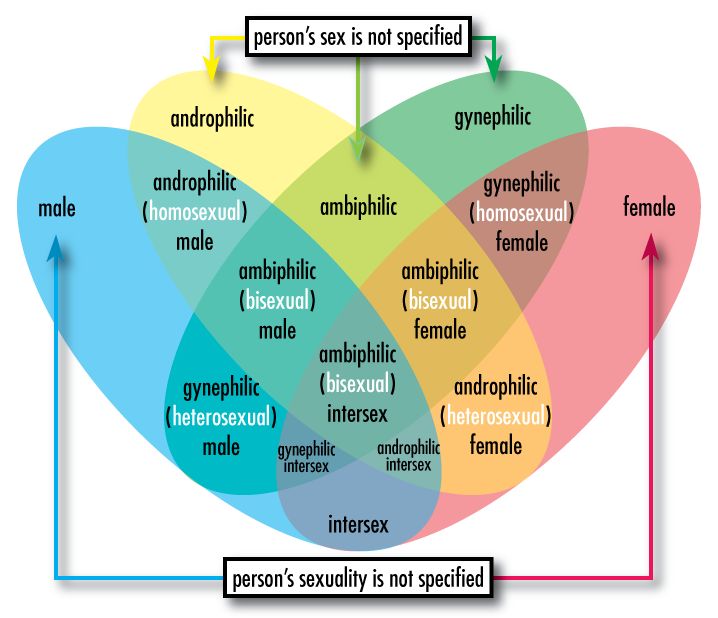
Gender identity is an individual’s internal sense of gender. It may be male, female, neither, or a combination of both. An individual’s gender identity may be different from the sex they were assigned at birth. A transgender individual is an individual whose gender identity is different from the sex assigned to that person at birth.

Sex stereotypes are stereotypical notions of masculinity or femininity. They include expectations of how individuals represent or communicate their gender to others and that individuals will consistently identify with and conform to stereotypes associated with their assigned gender. Sex stereotypes also include gendered expectations related to the appropriate roles of a certain sex.

According to HHS, categorical coverage exclusions or limitations for all health care services related to gender transition are discriminatory. Individuals must be treated in a manner consistent with their gender identity. Providers may not deny or limit treatment that is ordinarily or exclusively available to individuals of one gender because the person seeking treatment identifies as belonging to another gender.

The manner in which the final rule expanded the traditional scope of sex discrimination to include gender identity and sex stereotyping represents a fairly significant policy shift. However, HHS admits that the final rule does not resolve whether discrimination on the basis of an individual’s sexual orientation alone violates the ACA’s nondiscrimination provision. Nevertheless, HHS states that allegations of sexual orientation discrimination will be evaluated by the Office for Civil Rights to determine whether they involve the sorts of stereotyping that violate the ACA’s nondiscrimination provision.

Despite not being directly covered by the ACA’s nondiscrimination rules, many employers will be affected indirectly. Employers providing fully insured group health plans may be affected because their insurance companies are covered by the rule. Employers using a covered third-party administrator to manage their self-fund group plan may also be affected by the rule. Consequently, employers should have at least a basic understanding of the ACA’s nondiscrimination rules.

At Setnor Byer Insurance & Risk, we are committed to guiding you through the constantly changing health care landscape and offer a number of valuable risk management solutions to help you properly and efficiently manage your employee benefits, group health and business insurance programs.

Please contact us if you would like more information about complying with the Affordable Care Act or subscribe to our weekly risk mangement newsletter.


Is Your Self Storage Facility a Hazardous Workplace?

The fact that self storage facilities aren’t typically considered dangerous workplaces doesn’t mean operators can be casual about workplace safety. According to the most recent statistics from the Bureau of Labor Statistics, of over 3 million private industry nonfatal reportable injuries and illnesses in 2013:

  • 917,100 involved days away from work
  • 327,060 involved sprains, strains and tears
  • 170,450 involved injuries to the back
  • 229,190 involved falls, slips and trips.

Though employees are the primary victims of poor workplace safety standards, self storage facilities also pay the price. In addition to direct costs associated with workplace injuries, self storage facilities may also incur a variety of indirect costs, such as:

  • Wages paid to absent injured workers;
  • Wages lost during work stoppages;
  • Administrative time spent by supervisors following injuries;
  • Costs to train replacement employees;
  • Lost productivity and opportunity costs;
  • Replacement costs of damaged material, machinery and property; and
  • Higher workers’ compensation insurance premiums.

Self storage facilities can avoid or at least limit these costs by making workplace safety a priority. The Insurance Information Institute suggests taking the following steps:

Engage Management and Employees. Workplaces are safer when management and employees collaborate. Though specific employees should be in charge of safety programs, everyone should be responsible for workplace safety.

Evaluate Workplace and Operations. Perform a comprehensive evaluation of the entire operation, including equipment and all workplace activities, to identify all hazards. Talk to employees about their safety concerns.

Mitigate Hazards. Identified hazards must be eliminated or controlled. This may require implementing new safety measures, changing workplace operations or repairing/replacing equipment.

Training. Employees should receive training about workplace hazards and safety. Training should be part of the onboarding process. Refresher training should be provided on a regular basis and as needed.

Review, Respond and Improve. Maintaining a safe workplace is an ongoing process. Safety programs must be reviewed regularly. Safety incidents should be used as an opportunity for improvement. Employees should be reminded of their obligation to report hazards and incidents so they can be addressed.

Creating and maintaining a safe workplace requires commitment and vigilance. Despite the extra effort and expense, self storage facilities are sure to benefit from an effective workplace safety program. For example, maintaining a safe workplace is the best way to control workers’ compensation insurance premiums.

Setnor Byer Insurance & Risk’s Self-Storage Insurance Program and Risk Management Group work closely with self-storage facilities throughout Florida and nationwide to profile risks, compare coverage options, and match our clients with an insurance program that meets their needs.

If you have any questions or would like discuss how our programs can help your organization, please contact us

Offering Health Insurance to Same-Sex Spouses

Under the Affordable Care Act, health insurance issuers in the individual and group markets are generally required to guarantee insurance coverage to every employer and individual that applies. Beginning in 2015, this guarantee will extend to same-sex spouses.

On March 14, 2014, the Department of Health & Human Services (HHS) announced that insurance companies offering non-grandfathered health insurance plans can no longer refuse to offer health insurance coverage to same-sex spouses. In taking this position, the HHS relied on federal regulations prohibiting health insurance issuers from employing marketing practices or benefit designs that discriminate on the basis of, among other things, an individual’s sexual orientation.

According to HHS, an issuer is considered to employ discriminatory marketing practices or benefit designs if the issuer:

  • Offers health insurance coverage to a spouse in an opposite-sex marriage; and
  • Does not offer the same coverage to a spouse in a same-sex marriage that was validly consummated in a jurisdiction where the law authorizes same-sex marriages.

Importantly, the prohibition against discriminating against same-sex spouses applies regardless of the jurisdiction in which the insurance policy is offered, sold, issued, renewed, in effect, or operated, and regardless of where the policyholder resides. This means that insurance companies must offer coverage to legally married same-sex spouses even if they live in a state that does not allow same-sex marriages.

HHS noted that its position regarding coverage for same-sex spouses does not require a group health plan to provide coverage that is inconsistent with the terms of eligibility for coverage under the plan, or that otherwise interferes with the ability of a plan sponsor to define a dependent spouse for purposes of eligibility for coverage under the plan. It only prohibits an issuer from refusing to offer the option to cover same-sex spouses on the same terms and conditions as opposite sex-spouses.

According to HHS, it is only clarifying the current regulations’ prohibition against discrimination based on sexual orientation in a manner that is consistent with the policy of ensuring that all individuals have access to health coverage. However, since “some issuers may not have understood the prohibition,” HHS is not requiring immediate compliance. Rather, health insurance issuers must implement changes for plans or policies years beginning on or after January 1, 2015.

Though fewer than half the states allow same-sex marriages, employers in every state need to be aware of health insurance requirements for same-sex spouses. Beginning in 2015, the focus will need to be on the legality of the marriage rather than the gender of the spouses.

Recent developments with the Affordable Care Act suggest that change rather than stability should be expected. At Setnor Byer Insurance & Risk, we are committed to guiding you through the changes coming in 2014 and beyond. Check back with us periodically for future informational updates about the Affordable Care Act.

If you have specific questions about the Act or if you are ready to take action and would like to see how Setnor Byer Insurance & Risk can help, contact us.

If you would like to subscribe to our newsletters please click here.

Affordable Care Act Implementation in 2014

As 2013 comes to an end, many are making plans and resolutions for the New Year. 2014 is also a big year for the Affordable Care Act, as many of the Act’s provisions go into effect, such as:

Individual Mandate. Under the Act, most individuals who can afford basic health coverage will be required to obtain such coverage or pay a penalty to help offset the costs of caring for uninsured Americans. Various exemptions to the individual mandate are available, including one if affordable coverage is not available.

Employer Mandate. Beginning in 2014, large employers who failed to offer qualifying health care coverage to their employees may have been required to pay a penalty (tax). However, enforcement of this provision has been postponed from January 1, 2014 to January 1, 2015.

Health Insurance Marketplace (Exchanges). Starting in 2014, individuals and small businesses can shop for and buy qualified health benefit plans on the Health Insurance Exchanges. These new marketplaces are designed to offer consumers with various options for health plans that meet certain benefits and cost standards.

Essential Health Benefits. The Act creates essential health benefits packages that provide coverage for specific services. These packages are separated into four categories that vary based on the proportion of plan benefits they cover.

Elimination of Annual Coverage Limits. The Affordable Care Act prohibits new plans and existing group plans from imposing annual dollar limits on the amount of coverage an individual may receive.

Ban on Discrimination Due to Pre-Existing Conditions or Gender. In 2014, insurance companies cannot refuse to sell coverage or renew policies because of an individual’s pre-existing conditions. Also, in the individual and small group market, the law eliminates the ability of insurance companies to charge higher rates due to gender or health status.

Protection for Clinical Trials. Insurers will be prohibited from dropping or limiting coverage because an individual chooses to participate in a clinical trial. This protection applies to clinical trials that treat cancer or other life-threatening diseases.

Increasing Small Business Tax Credit. The Affordable Care Act’s second phase of the small business tax credit for qualified small businesses and small non-profit organizations starts in 2014. The credit is up to 50% of the employer’s contribution to provide health insurance for employees. There is also up to a 35% credit for small non-profit organizations.

Individual Tax Credits. Starting in 2014, tax credits will become available for people with income between 100% and 400% of the poverty line who are not eligible for other affordable coverage. The tax credit can be advanced, so it can lower premium payments each month. It’s also refundable, so moderate-income families can receive the full benefit of the credit. Individuals may also qualify for reduced cost-sharing (copayments, co-insurance, and deductibles).

Access to Medicaid. Americans who earn less than 133% of the poverty level (approximately $14,000 for an individual and $29,000 for a family of four) will be eligible to enroll in Medicaid. States may receive 100% federal funding for the first three years to support this expanded coverage, phasing to 90% federal funding in subsequent years.

At Setnor Byer Insurance & Risk, we are committed to guiding you through the changes coming in 2014. Check back with us periodically for future informational updates about the Affordable Care Act. If you have specific questions about the Act or if you are ready to take action and would like to see how Setnor Byer Insurance & Risk can help, contact us.

If you would like to subscribe to our newsletters please click here.

Learn more about our Affordable Care Act Program.