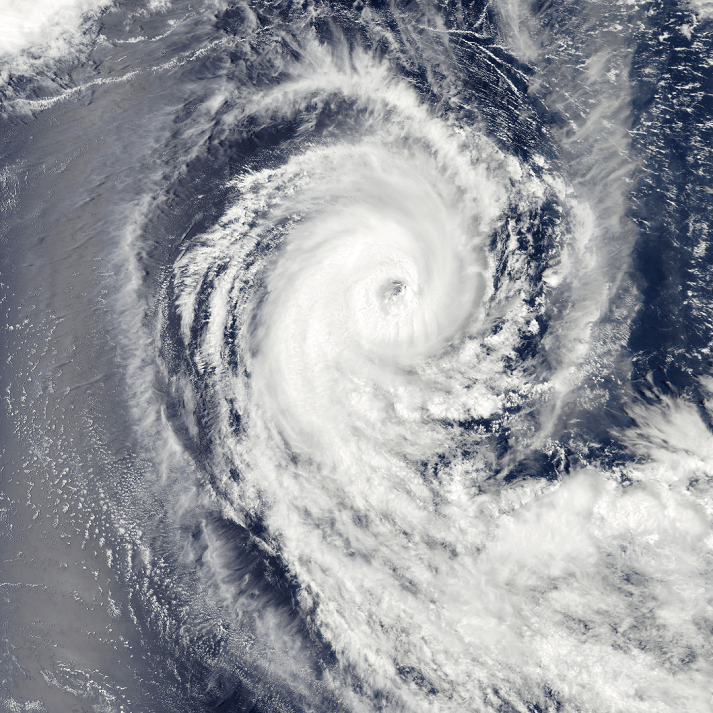
NOAA predicts near-normal 2023 hurricane season

By Anita Byer, Setnor Byer Insurance & Risk

The National Oceanic and Atmospheric Administration is predicting near-normal hurricane activity for the 2023 Atlantic hurricane season. NOAA forecasters predict a 40% chance of a near-normal season, a 30% chance of an above-normal season and a 30% chance of a below-normal season. Unlike the last three hurricane seasons with La Niña present, NOAA scientists predict a high potential for El Niño to develop this summer, which can suppress hurricane activity. The Atlantic hurricane season runs from June 1 to November 30.

This year, NOAA is forecasting (with 70 percent confidence):

  • 12 – 17 total named storms (winds of 39 mph or higher)
  • 5 – 9 hurricanes (winds of 74 mph or higher)
  • 1 – 4 major hurricanes (winds of 111 mph or higher)

Forecasters at Colorado State University’s Tropical Meteorology Project currently expect the 2023 Atlantic hurricane season to have slightly below-average storm activity. Their latest forecast is for 13 named storms, including 6 hurricanes and 2 major hurricanes. The probability of a major hurricane (Category 3-4-5) making landfall somewhere along the east coast of the United States (including Florida) is 22 percent. The probability of a Gulf Coast landfall (from the Florida Panhandle westward to Brownsville, Texas) is 28 percent.

Although El Niño is expected to suppress hurricane activity this year, NOAA notes that its potential influence on storm development could be offset by favorable conditions throughout the tropical Atlantic Basin. According to NOAA, favorable conditions include the potential for an above-normal west African monsoon, which produces easterly waves and seeds some of the stronger and longer-lived Atlantic storms. NOAA also identified warmer-than-normal sea surface temperatures in the tropical Atlantic Ocean and Caribbean Sea, which creates more energy to fuel storm development.

A lot is made of these annual predictions, but it only takes one storm to make it an active hurricane season for you. “As we saw with Hurricane Ian, it only takes one hurricane to cause widespread devastation and upend lives. So regardless of the number of storms predicted this season, it is critical that everyone understand their risk and heed the warnings of state and local officials. Whether you live on the coast or further inland, hurricanes can cause serious impacts to everybody in their path,” said FEMA Administrator Deanne Criswell.

Now is the time to start preparing for the upcoming hurricane season. Contact our team of experienced and responsive insurance and risk management professionals to find affordable options to protect your home and your business in the event of a hurricane.
NOAA updates 2022 hurricane forecast; above-normal activity still expected

By Anita Byer, Setnor Byer Insurance & Risk

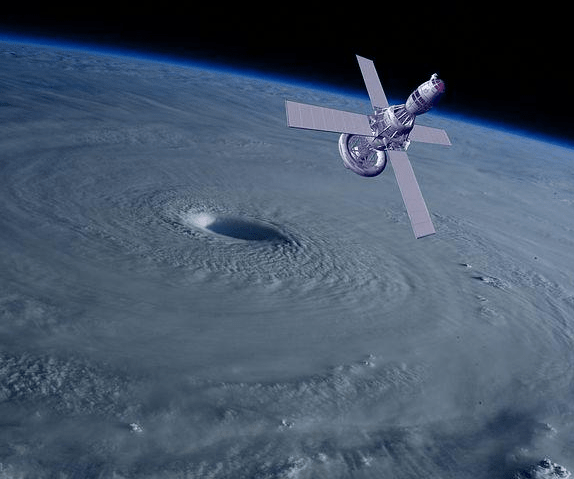
The National Oceanic and Atmospheric Administration recently updated its 2022 Atlantic hurricane season outlook. Despite relatively little storm activity so far, NOAA maintains that atmospheric and oceanic conditions still favor an above-normal 2022 hurricane season. “We’re just getting into the peak months of August through October for hurricane development,” cautions NOAA Administrator Rick Spinrad, Ph.D., “and we anticipate that more storms are on the way.” In other words, stay prepared and don’t let your guard down just yet.

NOAA initially forecast a 65 percent chance of an above-normal season, a 25 percent chance of a near-normal season and a 10 percent chance of a below-normal season. Since then, NOAA forecasters have slightly decreased the likelihood of an above-normal Atlantic hurricane season from 65 percent to 60 percent. The likelihood of near-normal activity increased from 25 percent to 30 percent, while the likelihood of a below-normal season remains unchanged at 10 percent.

NOAA’s updated outlook, which covers the entire six-month hurricane season, is also forecasting:

  • 14–20 Named Storms (was 14–21)
  • 6–10 Hurricanes (no change)
  • 3–5 Major Hurricanes (was 3–6)

According to NOAA, several atmospheric and oceanic conditions still favor an active hurricane season. La Niña conditions, which are predicted to remain in place for the rest of 2022, could allow the ongoing high-activity era conditions to dominate or slightly enhance hurricane activity. Weaker tropical trade winds, an active west African Monsoon and likely above-normal Atlantic sea-surface temperatures also set the stage for an active hurricane season consistent with the ongoing high-activity era for Atlantic hurricanes.

Hurricane season is long and maintaining preparations is hard, but the peak of tropical activity is not the time to let things slide. NOAA’s updated forecast should provide all the motivation you need to remain alert, prepared and ready to act if your home, business or boat is in the path of a storm. Remember, it only takes one hurricane making landfall to make it an active season for you. It’s better to be safe than sorry.

Please contact us about protecting your personal and business property against tropical storms and hurricanes.

NOAA predicts above-average hurricane activity for seventh consecutive year

By Anita Byer, Setnor Byer Insurance & Risk

The National Oceanic and Atmospheric Administration released its predictions for the 2022 Atlantic hurricane season. For the seventh consecutive year, forecasters are predicting above-average storm activity. More specifically, NOAA predicts a 65 percent chance of an above-normal season, a 25 percent chance of a near-normal season and a 10 percent chance of a below-normal season. The Atlantic hurricane season runs from June 1 to November 30.

This year, NOAA is forecasting (with 70 percent confidence) a likely range of:

  • 14 – 21 Named Storms (winds of 39 mph or higher)
  • 6 – 10 Hurricanes (winds of 74 mph or higher)
  • 3 – 6 Major Hurricanes (winds of 111 mph or higher)

Forecasters at Colorado State University’s Tropical Meteorology Project are similarly predicting an active 2022 Atlantic hurricane season. They are forecasting 19 named storms, including 9 hurricanes and 4 major hurricanes. The probability of a major hurricane (Category 3-4-5) making landfall somewhere along the east coast of the United States (including Florida) is 47 percent. The probability of a Gulf Coast landfall (from the Florida Panhandle westward to Brownsville, Texas) is 46 percent.

The likelihood of increased activity is attributed to several climate factors, including the ongoing La Niña that is likely to persist, warmer-than-average sea surface temperatures and weaker tropical trade winds. An enhanced west African monsoon also supports stronger African Easterly Waves, which seed many of the strongest and longest-lived hurricanes during most seasons. In light of these factors, NOAA is urging everyone to understand their risk and to start preparing for what is expected to be an active hurricane season.

A lot is made of these annual predictions, but it only takes one storm to make it an active hurricane season for you. Start preparing now with Setnor Byer Insurance & Risk’s 2022 Hurricane Checklist. Our team of experienced and responsive professionals can help you find affordable options to protect your home and your business in the event of a hurricane.
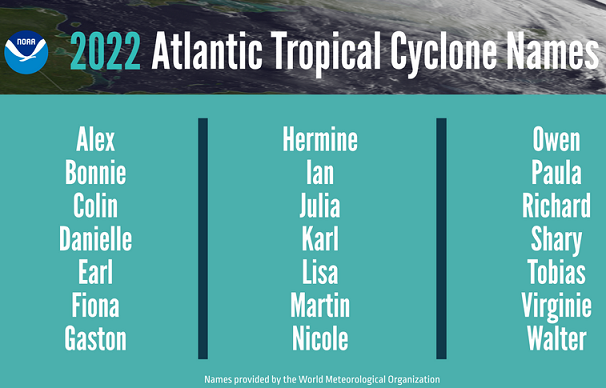
Please contact us to discuss affordable insurance options to protect your personal and business property during the 2022 Hurricane Season.