Up In Smoke? Clearing the Workplace Haze of Medical Marijuana

Marijuana, the most commonly used illicit drug in America at home and in the workplace, is earning respect from mainstream citizens who support its ‘legalized’ use for medical reasons. If estimates are true, and millions of workers are stoned on the job, the question and concern is: how many of these users will move to legitimize their use of the drug, on the job, and what impact will its use have on the productivity and quality of the American worker.

Legalized marijuana has sparked a new concern for employers that can’t simply be passed around until it burns out. While it may be a bit early to draw any conclusions, there are some facts and myths that should put an employer’s mind at ease, and yet, others that will require employers to proceed with caution (particularly when state and federal law are in conflict).

Myth: It’s not illegal to use medical marijuana if your state allows it.

Fact: Federal law supersedes state law, and marijuana is illegal under federal law. It’s in the same category as heroin and cocaine.

Myth: Employees legally using medical marijuana (under state law) are protected by the Americans with Disabilities Act (ADA).

Fact: The ADA generally does not protect current users of drugs that are illegal under federal law, like marijuana. But, employees using medical marijuana may still suffer from a disability that is protected by the ADA. If medical marijuana comes up, employers should engage in the interactive process to determine whether the employee may be entitled to a reasonable accommodation that does not involve marijuana use.

Myth: The legalization of medical marijuana will not affect my business or workplace.

Fact: Sooner or later, most businesses will be affected by the legalization of medical marijuana. In some cases, accommodating the use of medical marijuana can have unexpected consequences. For example, it may violate applicable federal laws or regulations, like DOT requirements for safety-sensitive positions or OSHA requirements to provide a safe working environment. And, if an employee using medical marijuana hurts someone else, the employer may be sued for negligent hiring, retention or entrustment.

More myths and facts will emerge now that the marijuana debate is burning at both ends. Until the picture gets clearer, employers should proceed cautiously. In the meantime, employers should consider Employment Practices Liability Insurance to protect against inadvertent violations.

Please contact us if you would like to learn more about protecting your business against employment-related liabilities. To receive regular updates about developments which may affect your business, subscribe to Setnor Byer Insurance & Risk’s weekly risk management news brief


What Does Florida’s New Medical Marijuana Law Mean for Employers?

Florida has joined the growing number of states that regulate and permit the medical use of marijuana after more than 6.5 million Floridians voted to approve Amendment 2. As a result, the Florida Constitution now includes the right for people with one or more of the following Debilitating Medical Conditions to use marijuana if such use has been certified by a physician:

  • Cancer;
  • Epilepsy;
  • Glaucoma;
  • Positive status for human immunodeficiency virus (HIV);
  • Acquired immune deficiency syndrome (AIDS);
  • Post‐traumatic stress disorder (PTSD);
  • Amyotrophic lateral sclerosis (ALS or Lou Gehrig’s disease);
  • Crohn’s disease;
  • Parkinson’s disease;
  • Multiple sclerosis; or
  • Other debilitating medical conditions of the same kind or class as or comparable to those enumerated.

The use of medical marijuana requires written certification from a licensed physician that in the physician’s professional opinion, the patient suffers from a debilitating medical condition and that the medical use of marijuana would likely outweigh potential health risks. The certification, which must state the recommended duration of use, may only be provided after the physician has conducted a physical examination and fully assessed the patient’s medical history.

Amendment 2 becomes effective on January 3, 2017. (An amendment without a specific effective date becomes effective on the first Tuesday after the first Monday in January following the election.) As of the effective date, the Florida Department of Health has six months to issue procedural regulations and nine months to begin issuing identification cards and registrations to those who qualify for the medical use of marijuana.

The extent to which Amendment 2 may affect employers is uncertain. However, there are limits to how far employers must go to accommodate the medical use of marijuana. For example, Amendment 2 expressly states that it does not require any accommodation for the on‐site medical use of marijuana in any place of employment or for smoking medical marijuana in any public place. It also doesn’t require health insurance providers to reimburse expenses related to the medical use of marijuana.

Perhaps the most significant limitation of Amendment 2 comes from the fact that marijuana is an illegal drug under federal law, regardless of what the Florida Constitution provides. This is important because the Americans with Disabilities Act does not cover individuals who are currently using drugs that are illegal under federal law. As a result, the protections afforded to qualified individuals with disabilities under the ADA do not apply to the use of medical marijuana even if it is legal under Amendment 2.

Another aspect of the state vs. federal distinction may limit the impact of Amendment 2 even more. Since 2013, the U.S. Department of Justice’s policy has been to defer the right to challenge state marijuana legalization laws. This voluntary hands-off policy may change under the new administration.

Despite these limitations and uncertainties, employers can start the process of adapting to Amendment 2 by updating handbooks and policies to clarify that the use of any illegal drug, including the medical use of marijuana pursuant to a physician’s certification, is strictly prohibited. Until procedural regulations are issued, employers should proceed cautiously when it comes to medical marijuana.

Since the likelihood of inadvertent violations can increase dramatically when the law changes, employers should consider Employment Practices Liability Insurance to protect against the financial consequences associated with employment-related claims. Please contact us if you would like to learn more about protecting your business with employment practices liability insurance.

To receive regular updates about developments which may affect your business, subscribe to Setnor Byer Insurance & Risk’s weekly risk management news brief.

Insurance Applications: Small Lies Can Create Big Problems

Is it wrong to lie on an insurance application? Many believe that it’s no big deal, like lying to the IRS. In reality, it can have serious consequences, like lying to the IRS. If an insurance application contains false or incorrect information, a claim that may have otherwise been covered may end up being denied. To keep this from happening, it is important to understand what is required when completing insurance applications.

When it comes to completing applications, whether it’s for business, homeowners, auto or another kind of insurance, not all lies are created equal. A majority of states have statutes that strictly limit an insurance company’s ability to deny coverage because an application contains false information. These statutes aren’t intended to protect those who lie on their applications, but to prevent insurance companies from relying on insignificant misstatements to deny coverage.

Under these statutes, insurance companies are typically allowed to deny coverage only if the misrepresentation, omission, concealment of fact or incorrect statement is significant enough to warrant such a harsh result. In other words, only material misstatements, omissions, etc. justify a denial of coverage.

False or undisclosed information submitted in an application is generally considered material if the insurer would have altered the terms of the policy had the true facts been known, or if the true facts would have served as a basis for denying the policy application. In Florida, for example, an insurance company can deny coverage under a policy only if:

  • the misrepresentation, omission, concealment, or statement is fraudulent or is material either to the acceptance of the risk or to the hazard assumed by the insurer; or
  • if the true facts had been known to the insurer pursuant to a policy requirement or other requirement, the insurer in good faith 1) would not have issued the policy or contract; 2) would not have issued it at the same premium rate; 3) would not have issued a policy or contract in as large an amount; or 4) would not have provided coverage with respect to the hazard resulting in the loss.

In some states, insurance companies don’t need to establish that a false statement was made knowingly or intentionally. Even innocent mistakes can be used to deny coverage if they are material. In other states, like Massachusetts and Tennessee, an insurance company cannot avoid coverage unless a misrepresentation increases the risk of loss or is made with the actual intent to deceive.

Depending on the applicable law, if an insurance company is able to establish the materiality of a misstatement or that it was made with the actual intent to deceive, it may be able to deny a claim or void the entire policy. In the event of a claim, insurance applications are often reviewed to determine whether there are any material misstatements that can be used to deny coverage. This should be incentive enough to complete applications truthfully and accurately.

Please contact us if you have questions or concerns about completing an application for insurance.

Please subscribe to our weekly newsletters.

Gender Identity and Sex Stereotyping Under the Affordable Care Act

Did you know that the Affordable Care Act (ACA) contains a civil rights provision? The ACA prohibits discrimination on the basis of race, color, national origin, sex, age or disability in certain health programs and activities. Despite becoming law in 2010, final implementation rules were not issued by the Department of Health and Human Services (HHS) until May 2016. On July 18, 2016, the Nondiscrimination in Health Programs and Activities final rule went into effect.

Under the ACA, individuals cannot be excluded from participation in, be denied the benefits of, or otherwise be subjected to discrimination under any covered health program or activity on the basis of race, color, national origin, sex, age or disability. Though the final rule generally incorporates existing federal nondiscrimination laws and policies , provisions dealing with sex discrimination, primarily gender identity and sex stereotyping, are getting the most attention.

The final rule states that sex discrimination includes discrimination based on sex, pregnancy, childbirth and related medical conditions. Individuals cannot be denied health care based on their sex and women and men must be treated equally in terms of health care and insurance coverage. However, the final rule also prohibits discrimination on the basis of gender identity and sex stereotyping.

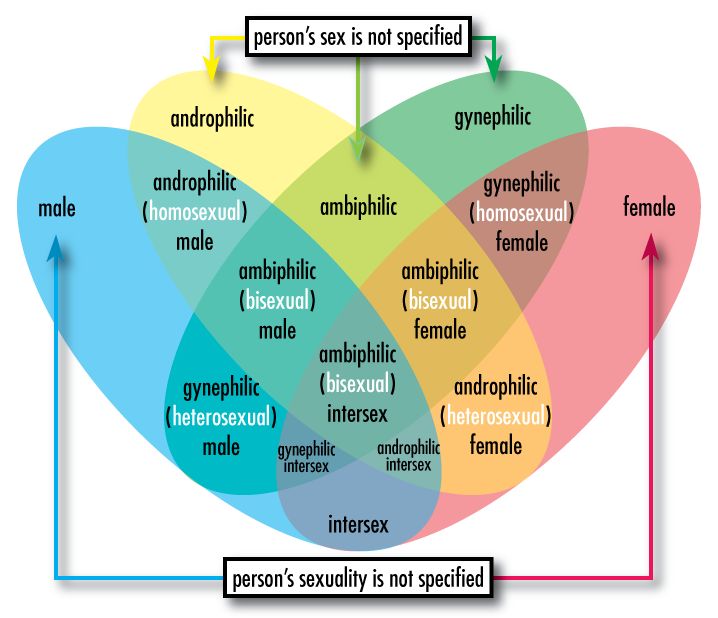
Gender identity is an individual’s internal sense of gender. It may be male, female, neither, or a combination of both. An individual’s gender identity may be different from the sex they were assigned at birth. A transgender individual is an individual whose gender identity is different from the sex assigned to that person at birth.

Sex stereotypes are stereotypical notions of masculinity or femininity. They include expectations of how individuals represent or communicate their gender to others and that individuals will consistently identify with and conform to stereotypes associated with their assigned gender. Sex stereotypes also include gendered expectations related to the appropriate roles of a certain sex.

According to HHS, categorical coverage exclusions or limitations for all health care services related to gender transition are discriminatory. Individuals must be treated in a manner consistent with their gender identity. Providers may not deny or limit treatment that is ordinarily or exclusively available to individuals of one gender because the person seeking treatment identifies as belonging to another gender.

The manner in which the final rule expanded the traditional scope of sex discrimination to include gender identity and sex stereotyping represents a fairly significant policy shift. However, HHS admits that the final rule does not resolve whether discrimination on the basis of an individual’s sexual orientation alone violates the ACA’s nondiscrimination provision. Nevertheless, HHS states that allegations of sexual orientation discrimination will be evaluated by the Office for Civil Rights to determine whether they involve the sorts of stereotyping that violate the ACA’s nondiscrimination provision.

Despite not being directly covered by the ACA’s nondiscrimination rules, many employers will be affected indirectly. Employers providing fully insured group health plans may be affected because their insurance companies are covered by the rule. Employers using a covered third-party administrator to manage their self-fund group plan may also be affected by the rule. Consequently, employers should have at least a basic understanding of the ACA’s nondiscrimination rules.

At Setnor Byer Insurance & Risk, we are committed to guiding you through the constantly changing health care landscape and offer a number of valuable risk management solutions to help you properly and efficiently manage your employee benefits, group health and business insurance programs.

Please contact us if you would like more information about complying with the Affordable Care Act or subscribe to our weekly risk mangement newsletter.

Supreme Court Requests Compromise Options in ACA Contraception Case

In Zubik v. Burwell, the U.S. Supreme Court is considering whether the rights of religiously affiliated nonprofit organizations are violated by the Affordable Care Act’s contraceptive-coverage mandate. Given the sensitive, often contentious issues raised in this case, the public is anxiously awaiting the Court’s decision. However, many were surprised when less than a week after hearing oral arguments, the Court ordered the parties to provide potential compromise solutions.

The ACA generally requires group health insurance plans to cover preventive care and screenings for women without cost sharing elements (copayment, coinsurance, deductible), including all contraceptive methods approved by the Food and Drug Administration. Though generally mandatory for nonprofit employers with no religious affiliation and for-profit employers that are not closely-held (the Hobby Lobby case), religious and religiously affiliated employers can avoid the contraceptive-coverage mandate, either by exemption or accommodation.

  • Exemption. Federal regulations authorize an exemption for nonprofit religious employers, including churches and their integrated auxiliaries. These employers are not bound by the contraceptive-coverage mandate. Their employees and dependents do not have guaranteed contraceptive coverage.
  • Accommodation. Religiously affiliated nonprofit corporations may obtain an accommodation that relieves them from complying with the mandate. These employers must notify their insurance company, third-party administrator or the Department of Health and Human Services of their religious objections to providing insurance coverage for contraceptives.

Under the ACA, religious employers are exempt from the mandate, but religiously affiliated employers must take steps to obtain an accommodation. Nevertheless, these employers are not required to contract, arrange or pay for contraceptive coverage. According to the Secretary of Health and Human Services (Burwell), the regulatory process to obtain an accommodation does not substantially burden religiously affiliated employers seeking to avoid the mandate.

Though some of the employers in Zubik are entitled to an accommodation, they argue that the process itself violates their sincerely held religious beliefs. According to these employers, complying with the regulatory mechanism to obtain an accommodation would make them “complicit in providing contraceptive coverage” in violation of their religion.

The passing of Justice Scalia leaves only eight justices to decide this case. Many believe they are evenly divided. In the event of a 4-4- tie, the lower court rulings would remain intact, which could lead to inconsistent application of the law nationally because the Zubik case is actually a consolidation of several different cases from across the country. Perhaps this explains why the Court issued an order directing the parties to discuss ways to reach an acceptable compromise.

We may never know for sure why the Court did this, but it will be interesting to see if this exercise produces any results. Fortunately, we shouldn’t have to wait long because the Court didn’t give the parties much time. All briefs must be filed by April 20, 2016.

Stay tuned…

At Setnor Byer Insurance & Risk, we are committed to guiding you through the constantly changing health care landscape. In addition to our other valuable risk management solutionse, Setnor Byer Insurance & Risk has an online tool to help clients complete their ACA information reports.

Please contact us if you have any questions or would like to discuss how we can help you comply with health care reform.

Is Telemedicine Right for Your Business?

Industry experts estimate that 80% of employers will offer telemedicine by 2018. So what exactly is this trending health care benefit? Well, telemedicine generally refers to the practice of using telecommunications technologies (phone, Internet, etc.) to diagnose and treat patients, and in case you haven’t noticed, it’s come a long way.

If you ask a Group Benefits Manager at Setnor Byer Insurance & Risk you’ll discover:

  • The Centers for Medicare & Medicaid Services describes telemedicine as a cost-effective alternative to providing medical care.
  • The American Medical Association says telemedicine is a key innovation that can maintain patient safety, improve access to health care and control costs.
  • Industry analysts expect significant growth in the telemedicine market over the next few years.

You’ll also learn that employers are increasingly relying on telemedicine. According to a recent survey, a third of U.S. employers currently offer telemedicine services to employees as a low-cost alternative to doctor office visits for non-serious medical issues. In 2014, only 22% offered telemedicine services.

A primary benefit of telemedicine is fewer unscheduled absences by employees needing to see or take their child to a doctor for non-serious medical issues. Research shows that a majority of doctor visits are unnecessary. A cough, for example, can often be treated safely and effectively with telemedicine. (According to the Centers for Disease Control and Prevention, the most frequent reason for going to the doctor is, ahem…a cough.)

Employers offering telemedicine services also benefit from:

  • Healthier employees
  • Fewer employee sick days
  • Increased productivity
  • Measureable reduction in health care (insurance) costs

Telemedicine service plans are typically structured as discount card programs. These plans are not insurance and should not be considered a substitute for health insurance. Employers considering a telemedicine program should work with a reputable broker to not only find the right plan, but to also avoid those trying to take advantage of a rapidly growing market.

At Setnor Byer Insurance & Risk, we can help you:

  • Evaluate options
  • Find the best solution
  • Obtain competitive pricing
  • Implement and integrate a new plan into existing benefit programs

If you would like more information, please contact a Group Benefits Manager at Setnor Byer Insurance & Risk.

For more information about group health and other benefits, you can subscribe to our weekly risk management newsletter.

Is Your Group Health Plan Considered ‘Affordable’ under the ACA?

Applicable Large Employers (ALEs) are generally employers that average at least 50 full-time and full-time equivalent employees. Under the Affordable Care Act, ALEs can either provide health insurance coverage to employees or pay a penalty. To avoid a penalty, ALEs must offer health coverage to at least 95% (70% in 2015) of its full-time employees and their dependents. But, not any old group health insurance coverage will do.

Coverage that is offered must provide minimum value and must be affordable. The minimum value requirement is generally met if the plan covers at least 60% of the costs of benefits. To be affordable, the employee’s share of the premium cannot be more than 9.5% of that employee’s annual household income.

Since employers generally will not know each full-time employee’s household income, employers may use one or more of the ACA’s three affordability safe harbors. If an employer satisfies one or more of these safe harbors, coverage will be considered affordable even if it costs more than 9.5% of a particular employee’s annual household income.

Form W-2. Coverage will generally be considered affordable if the employee’s required calendar year contribution for the employer’s lowest cost self-only coverage does not exceed 9.5 percent of that employee’s Form W-2 wages.

  • Calculated on an employee-by-employee basis at the end of the calendar year.
  • Employee’s required contribution amount or percentage must be consistent throughout the calendar year, so discretionary adjustments to employee contribution requirements for a pay period are not allowed.
  • Wages are adjusted if coverage is not offered for an entire calendar year.
  • Generally produces the highest ‘affordable’ monthly contribution because the calculation is based on wages for all hours worked and paid time off wages (sick, vacation, etc.).
  • Optimal for employers with a relatively stable workforce that are unlikely to reduce compensation levels during the year.


Rate of Pay. Coverage will generally be considered affordable if the employee’s required monthly contribution for the lowest cost self-only coverage does not exceed 9.5% of an amount equal to 130 multiplied by the employee’s lowest hourly rate of pay during the calendar month or the hourly rate on the first day of the coverage period (generally the first day of the plan year), whichever is lower. Monthly salaries are used for non-hourly employees.

  • Calculated monthly on an employee-by-employee basis.
  • Employees credited with 130 hours of work per month, regardless of hours actually worked.
  • Generally produces a lower ‘affordable’ monthly contribution than the Form W-2 safe harbor because the calculation is based on wages for 130 hours of work per month (30 hours per week).
  • The maximum monthly ‘affordable’ contribution for an employee making the federal minimum wage of $7.25 per hour is $89.54 ($7.25 x 130 = $942.50 x .095 = $89.54). The monthly maximum would be $123.50 for an employee making $10 per hour and $148.20 for an employee making $12 per hour.


Federal Poverty Line. Coverage will generally be considered affordable if the employee’s required monthly contribution for the lowest cost self-only coverage does not exceed 9.5% of the applicable calendar year’s federal poverty line (FPL) for a single individual, divided by 12.

  • The 48 contiguous states are given a single FPL; Alaska and Hawaii each have their own FPL.
  • The 2015 FPL for the 48 contiguous states is $11,770, so the maximum monthly ‘affordable’ contribution would be $93.18.
  • Generally produces the lowest ‘affordable’ monthly contribution of all the safe harbors.


These safe harbors are optional. ALEs may use one or more of these safe harbors and can apply them to any reasonable category of employees, but they must be applied uniformly and consistently to all employees in a category. Reasonable categories can be based on specified job categories, compensation type (hourly or salary), geographic location or other similar bona fide business criteria.

At Setnor Byer Insurance & Risk, we are committed to guiding you through the constantly changing health care landscape. In addition to our other valuable risk management solutions, Setnor Byer Insurance & Risk has an online tool to help clients complete their ACA information reports.

Please contact us if you have any questions or would like to discuss how we can help you comply with health care reform.

Automatic Deadline Extensions Now Available for Affordable Care Act Information Reports

For the first time, all applicable large employers must comply with the Affordable Care Act’s annual healthcare reporting requirements. Employers that averaged at least 50 full-time or full-time equivalent employees in 2014 must report specific 2015 healthcare information to the Internal Revenue Service. Reports for the calendar year 2015 are due in early 2016, so time is running out. Or is it?

The IRS recently amended Form 8809–Application for Extension of Time to File Information Returns–so applicable large employers can now request an automatic 30-day extension to file the following forms with the IRS:

  • Form 1095-C (Employer-Provided Health Insurance Offer and Coverage); and
  • Form 1094-C (Transmittal of Employer-Provided Health Insurance Offer and Coverage Information Returns).

The deadline to request an extension is the due date of the ACA form for which an extension is being requested. In other words, employers cannot request an extension after missing the original IRS filing deadline. For the calendar year 2015, the deadline to file Forms 1095-C and 1094-C with the IRS is February 29, 2016 (March 31st if filed electronically), so this is also the deadline to request an IRS filing extension. To avoid missing the deadline, employers should request an extension as soon as they realize more time is needed.

However, Form 8809 only extends IRS filing deadlines, not deadlines to furnish copies to recipients. Applicable large employers must furnish the calendar year 2015 Form 1095-C to each full-time employee by February 1, 2016. Form 8809 cannot be used to extend this deadline. Instead, employers must request an extension by submitting a letter to the IRS. These extension requests are not automatically approved and must include an explanation.

There are other nuances to requesting an IRS filing extension, such as:

  • Form 8809 can be filed on paper, online or electronically through the IRS’s FIRE system.
  • No explanation is necessary.
  • The automatic extension is 30 days from the original due date.
  • Employers may request a second 30-day extension before the end of the first extension period by submitting a second Form 8809; however, these requests are not automatically granted and generally require a showing of extenuating circumstances.

IRS previously stated that employers making a good faith effort to comply with the ACA’s information reporting requirements for the calendar year 2015 will not be penalized for incomplete or incorrect information reports filed with the IRS or furnished to employees in 2016. However, employers will not be able to show a good faith effort if they fail to timely file information returns with the IRS or furnish statements to employees. Though incorrect reports may be forgiven by the IRS, late reports will not.

In addition to other valuable resources, Setnor Byer Insurance &Risk has an online tool to help clients complete their ACA information reports. If you have any questions or would like to discuss how we can help you navigate the constantly changing healthcare landscape, please contact us.

If you’d like to subscribe to our weekly newsletters please click here.

Is Telemedicine Right For You?

Telemedicine generally refers to the practice of using telecommunications technologies (phone, Internet, etc.) to diagnose and treat patients, and in case you haven’t noticed, it’s come a long way. Consider this:

  • The Centers for Medicare & Medicaid Services describes telemedicine as a cost-effective alternative to providing medical care.
  • The American Medical Association says telemedicine is a key innovation that can maintain patient safety, improve access to health care and control costs.
  • Industry analysts expect significant growth in the telemedicine market over the next few years.

Employers are taking notice of the benefits of telemedicine. According to a recent survey, 22% of large U.S. employers currently offer telemedicine services to employees as a low-cost alternative to doctor office visits for non-serious medical issues; 37% expect to begin doing so in 2015.

A primary benefit of telemedicine is fewer unscheduled absences by employees needing to see or take their child to a doctor for non-serious medical issues. Research shows that a majority of doctor visits are unnecessary. A cough, for example, can often be treated safely and effectively with telemedicine. (According to the Centers for Disease Control and Prevention, the most frequent reason for going to the doctor is…a cough.)

Employers offering telemedicine services also benefit from:

  • Healthier employees
  • Fewer employee sick days
  • Increased productivity
  • Measureable reduction in health care (insurance) costs

Telemedicine service plans are typically structured as discount card programs. These plans are not insurance and should not be considered a substitute for health insurance. Employers considering a telemedicine program should work with a reputable broker to find the right plan and avoid those trying to take advantage of a rapidly growing market.

At Setnor Byer Insurance & Risk, we make it easy to:

  • Evaluate options
  • Find the best solution
  • Obtain competitive pricing
  • Implement and integrate a new plan into existing benefit programs

If you would like more information, please contact us.

Small Group Health Premiums under the Affordable Care Act

Controlling health insurance premiums was a primary goal of health care reform. Before the Affordable Care Act (ACA), small group health insurers could vary premiums for a number of reasons, such as a group’s overall health status, size, age, gender, history or industry. As a result, some small groups had significantly higher premiums than others. Small groups could even face large premium increases based on a new diagnosis for a single employee.

For small group health insurers, these discriminatory premium variations are no longer allowed. Under the ACA, small group health insurers can only consider four factors when varying premium rates.

Individual vs. Family Coverage: Small group health insurers are allowed to vary rates based on who is enrolled in the plan. Different rates can be charged depending on whether the plan covers only an individual or a family.

Rating Area: Rating areas allow insurers to charge more in areas where medical costs are higher. Under the ACA, each state is authorized to establish their own rating areas; otherwise, federally-established default rating areas will be used.

A state’s rating areas must be based on the following geographic boundaries: counties, three-digit zip codes, or metropolitan and non-metropolitan statistical areas. The Centers for Medicare & Medicaid Services may evaluate rating areas to confirm whether they are actuarially justified, not unfairly discriminatory, reflect significant differences in health care costs, lead to stability in rates over time, and apply uniformly to all issuers in a market.

Age: Small group health insurers are allowed to vary premium rates based on age. However, variations cannot exceed a 3:1 ratio for those 21 and older. In other words, premiums for the highest price age groups cannot be more than three times the lowest price age groups.

The ratio is calculated using three uniform age bands:

  • Child (0-20): A single age band with the same actuarially justified premium rate based on a standard population.
  • Adult (21-63): One-year age bands with increasing rates based on an age-rating curve.
  • Older Adult (64+): A single age band with the same premium rate.

Tobacco Use: Small group health insurers can also vary premium rates for tobacco users, though variations cannot exceed a 1.5:1 ratio. (Premiums for tobacco users cannot be more than 1.5 times higher than for non-users.) The regulations define tobacco use as using tobacco an average of four or more times per week within the past 6 months, excluding religious or ceremonial usage, and includes all tobacco products.

At Setnor Byer Insurance & Risk, we are committed to guiding you through the ever-changing health care landscape. Check back with us periodically for informational updates about the Affordable Care Act. In the meantime, if you have specific questions, contact us.

Learn more about our Affordable Care Act Program.

If you would like to subscribe to our newsletters please click here.