Insurance Premiums — 2018: Following one of the Costliest Catastrophic Years

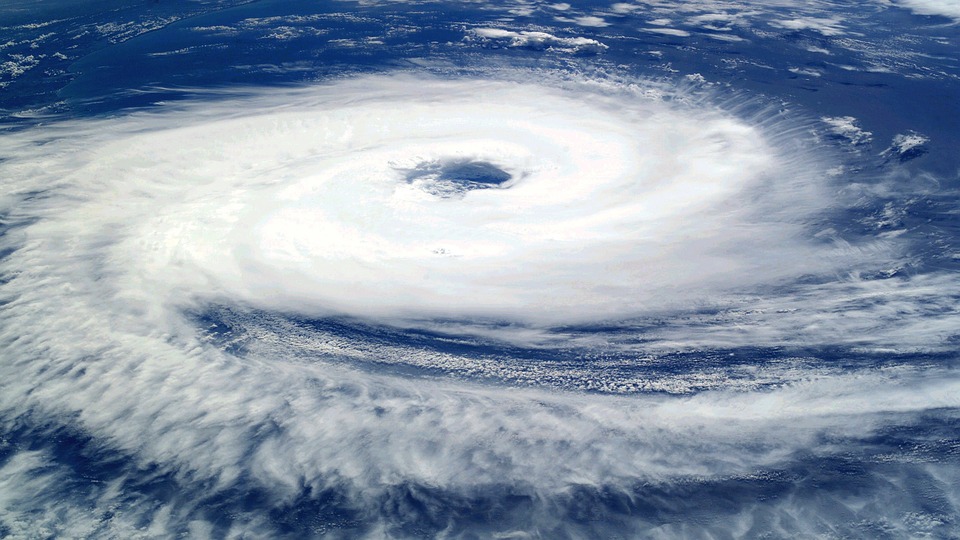
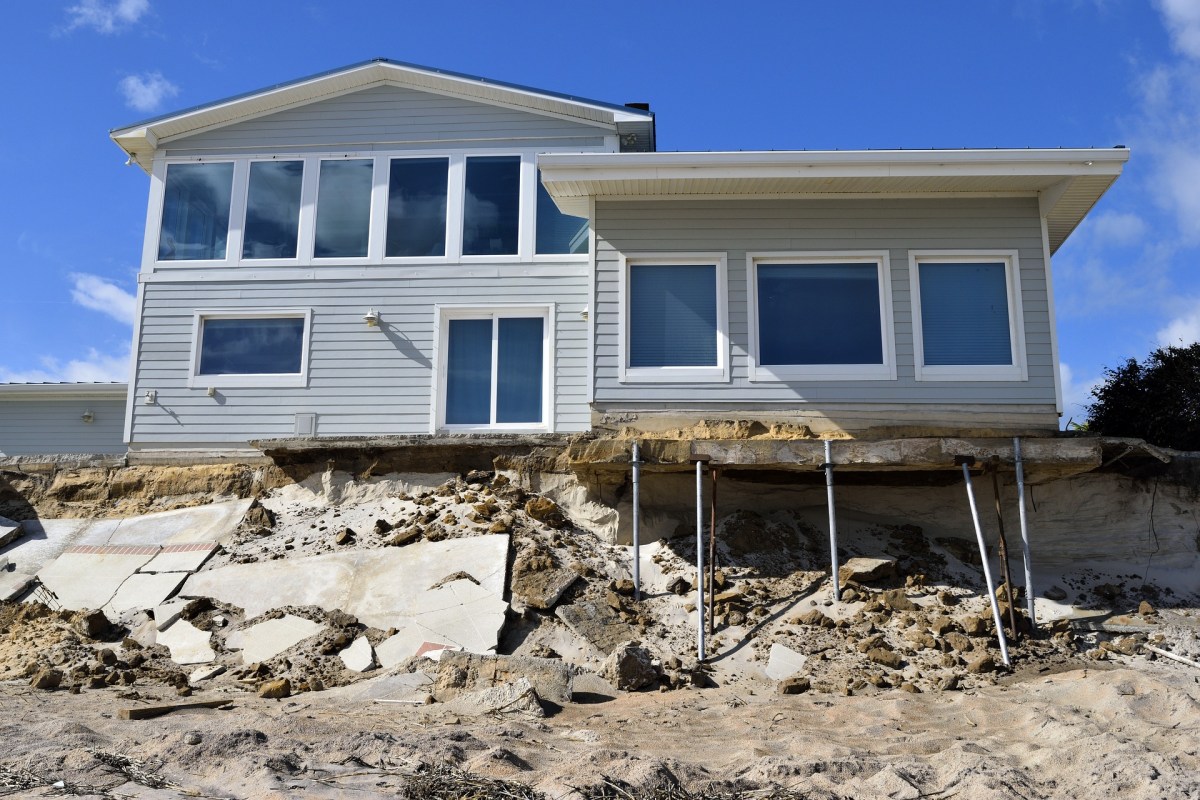
While it is yet too early to know the ultimate cost to the United States property/casualty insurance sector for 2017’s catastrophic losses, experts are in agreement that the storm, fire and flood events could cost US insurers as much as 100 Billion – making 2017 one of the costliest ‘catastrophe’ loss years in US history.

The Insurance Information Institute provides context to the referenced numbers by reporting that 2016 insured losses from natural disasters totaled north of 20 Billion, while 2015 approximately 15 Billion. These numbers consider personal and commercial properties, as well as direct and indirect insured losses, such as business interruption.

There is little disagreement that the 2017 catastrophes materially strained capital for many insurers, but there is little evidence to suggest that the insurers won’t recover, especially if they are able to replenish capital with premium increases, particularly on catastrophe-exposed risks with recent losses.

While it is a bit soon to accurately predict rate increases, early indications are that premiums may rise 10 to 20 percent for catastrophe-exposed risks and 20 to 25 percent for catastrophe-exposed risks with recent losses. Other property insurance buyers can expect flat rates or low single-digit increases.

At minimum, it is reported that insurers are retooling their catastrophe models in response to some of the unusual attributes of the 2017 hurricanes — namely, high wind speeds, significant rainfall and storm surge. This retooling will be particularly pronounced for coastal communities, including our very own Florida.

For insurance buyers, this may mean that the long, soft market which began 13 years ago and introduced substantial renewal rate decreases, is over, at least temporarily. Buyers can expect to see property premium increases as early as the 1st half of 2018, with the final quarters ushering in the largest hikes. 

There is possibly some good news, despite projections of premium increases. According to Willis Towers Watson’s 2018 Marketplace Realities report, several factors could dampen the upward pressure on rates, including still-abundant capacity and what experts view as “still eager” alternative capital providers.

While it may still be unclear as to how insurers will respond to the 2017 losses, it is wise, nonetheless, for organizations and individuals to prepare for changing market conditions that are likely to make catastrophe prone properties the target of unfavorable pricing. To counter this, all positive risk characteristics of properties should be noted and negative characteristics should be addressed in order to ensure that insurance underwriters apply fair and actuarially sound pricing to the risk. More so than ever, it is critical to uncover the features that set a property ‘apart from the crowd.’

Those living in coastal communities exposed to high severity wind and flood events are urged to do all they can to fortify their properties against these risks so that insurance remains an affordable and viable risk financing instrument. These same property owners may want to consider what actions they can take, now and in the future, to address the Sea Level Rise (SLR) of 3” – 7” expected by 2030 and 9” – 24” expected by 2060.

Alec Bogdanoff, Ph.D., a resilience expert, noted, “A relatively small investment in storm hardening can generate a large return on investment by limiting the direct and indirect damage a property sustains from a weather or flood event. While insurance can finance a majority of direct property loss, insurance comes with the cost-sharing exposure of large deductibles and waiting periods. Additionally, an interruption of business, even if insured, can have long term consequences to the business’s reputation and perceived reliability. Resiliency is about how quickly one can bounce back from a disaster.”

Dr. Bogdanoff also stated that, ‘sea level rise, if addressed earlier rather than later, is a threat that can be managed. From driveway grading to service equipment placement above grade, minor improvements can substantially reduce the property damage caused by flood, surface runoff or tidal waters. It is anticipated that a private flood insurance market (versus the federally subsidized market), will continue to expand and offer an affordable insurance option, but only to those properties that have flood proofing features.’

And, for the remainder of the property/casualty marketplace:

  • Casualty rates are predicted to be flat or increase by a small percentage.
  • Commercial auto rates for businesses will maintain single-digit increases except for metropolitan areas of some states that are exposed to excess litigation and fraud.
  • Workers’ compensation rates are expected to be stable in most states, with Florida benefiting from a rate reduction for most businesses. Unfortunately, this trend may reverse within a couple of years.
  • All other lines of insurance pricing will be based upon sound underwriting practices that consider individual risk characteristics (-5% – +10%). This applies to Directors and Officers, Environmental and Cyber Risks.


Lessons from Hurricane Irma

Hurricane Irma was an unprecedented storm that affected literally everyone in Florida. Most of us were either expecting or experiencing a direct hit. All of us were given at least a glancing blow. Even though the mess remains and recovery efforts are ongoing, it’s not too soon to share what we learned from Hurricane Irma.

Setnor Byer Insurance & Risk has been helping clients prepare for and recover from hurricanes for nearly 40 years, but Hurricane Irma was different. As the steadily intensifying storm made its way toward Florida, we received an unprecedented number of calls from clients asking about flood insurance for their homes and businesses. Why?

Obviously, everyone is concerned when a massive category 5 hurricane is heading their way, but there was another reason. We all saw the catastrophic flooding in Texas caused by Hurricane Harvey just a few weeks earlier. The damage was devastating. So was the news that nearly 80% of homeowners in the counties most directly affected by Hurricane Harvey did not have flood insurance.

According to the Federal Emergency Management Agency (FEMA), floods are the most common and costliest natural disaster. Unfortunately, too many businesses refuse to carry flood insurance simply because they are not located in a high-risk flood zone. Neither were a majority of those flooded by Hurricane Harvey.

Flood zones are always being remapped, but it’s a long process that can take years. Updated maps quickly become out-of-date. Moreover, the process of identifying property that is susceptible to flooding is not a perfect science. For example, flood zone determinations fail to adequately consider:

  • Localized drainage issues;
  • Long-term erosion;
  • Ongoing development;
  • Topographic variances on individual properties; or
  • The failure of flood control systems.

This is why every home and business should have flood insurance, regardless of whether they are located in a high-risk flood zone. Premiums are relatively affordable, particularly when you consider the risks assumed by a flood insurance policy, such as the:

  • Overflow of inland or tidal waters;
  • Collapse of land along a body of water from waves or currents; and
  • Rapid accumulation of surface waters from any source, including blocked storm drains and broken water pipes below the surface of the ground.

Even if the risk of flooding may not be particularly high for your home or business, this is also true of countless other risks covered by insurance policies. Yet, many would never go without insurance to cover their personal homes and cars. Just like they wouldn’t consider going go without general liability insurance, professional liability insurance, employment practices liability insurance or commercial auto insurance to protect their businesses.

Uninsured flood damage can devastate any home or business, even those not located in high-risk flood zones. Over the course of just a few weeks, we’ve seen the landfall of not one, not two, but three hurricanes that rank among the most powerful storms in recorded history.

Those relying on flood zone maps to justify their decision to not purchase flood insurance should seriously reconsider.

Please contact us to learn more about flood insurance for your home and business.

To receive regular updates, please subscribe to our weekly newsletters.

Are the New White-Collar Overtime Exemption Rules Finally Dead?

Can you believe it’s been nearly three and a half years since President Obama first directed the Secretary of Labor to update the white-collar overtime exemption regulations? Since then, employers endured the uncertainty of not knowing if, when or how they would be affected by the new overtime rules.

But now, at long last, it looks like employers can stop thinking and worrying about the 2016 white-collar overtime exemption regulations. Finally.

Recall that under the new regulations, which were published May 23, 2016, the minimum salary level for exempt white-collar employees increased from $455 per week ($23,660 annually) to $913 per week ($47,476 annually). The new regulations also created an automatic updating mechanism that adjusts the minimum salary level every three years, starting January 1, 2020.

Shortly after the new regulations were published, two federal lawsuits challenging their validity were filed, one by a group of states and the other by a group of national business organizations. These two cases were later consolidated into a single case.

On November 22, 2016, the court in the consolidated case issued a temporary injunction blocking the new white-collar regulations from going into effect on December 1, 2016. The Department of Labor (Department) immediately appealed the injunction and requested expedited briefing. Though progress slowed when control over the Department passed from the Obama administration to the Trump administration, the appeal process continued.

Then, on August 31, 2017, the lower court essentially rendered the appeal moot when it ruled that the new white-collar overtime exemption regulations were invalid. According to the court, the new regulations were inconsistent with Congress’s unambiguous intent, which was to define the white-collar exemptions with regard to duties. As such, the Department exceeded its authority by essentially rendering an employee’s duties irrelevant when it more than doubled the previous minimum salary level.

“[T]the Department creates a Final Rule that makes overtime status depend predominately on a minimum salary level, thereby supplanting an analysis of an employee’s job duties. The Department estimates 4.2 million workers currently ineligible for overtime, and who fall below the minimum salary level, will automatically become eligible under the Final Rule without a change to their duties.”

Having determined that the Department lacks the authority to use a salary-level test that will effectively eliminate the duties test required by the Fair Labor Standards Act, the court deemed the Department’s new white-collar overtime exemption regulations invalid. Five days later, the Department voluntarily dismissed the appeal regarding the November 2016 injunction that prevented the new regulations from ever becoming effective.

For the time being, it looks like the prospect of new overtime exemption rules is gone. Since the new regulations never went into effect, the manner in which employers must evaluate and apply the white-collar overtime exemptions has not changed. Neither has the need for employers to consider Employment Practices Liability Insurance to protect against various employment-related claims, including limited coverage for wage and hour claims.

Please contact us if you would like to learn more about protecting your business with employment practices liability insurance.

To receive regular updates about developments which may affect your business, subscribe to Setnor Byer Insurance & Risk’s weekly risk management news brief.

Are You Ready for the 2017 Hurricane Season?

It’s that time of year again. If you live or work in the Atlantic hurricane region, it’s hard to forget that hurricane season officially starts June 1st. The beginning of hurricane season, which runs through November 30th, is not a time for panic. Instead, it’s a time to finalize the plans and protective measures that will be needed if a storm is coming your way.

The National Oceanic and Atmospheric Administration made the following predictions about the 2017 Atlantic Hurricane Season.

  • 45% chance of an above-normal season
  • 35% chance of a near-normal season
  • 20% chance of a below-normal season

NOAA forecasters also predict a 70% likelihood of:

  • 11 – 17 Named Storms (winds of 39 mph or higher)
  • 5 – 9 Hurricanes (winds of 74 mph or higher)
  • 2 – 4 Major Hurricanes (winds of 111 mph or higher)

These predictions include pre-season Tropical Storm Arlene, which formed over the eastern Atlantic in April. An average season produces 12 named storms, six of which become hurricanes, including three major hurricanes.

A strong El Nino and wind shear typically suppress the development of Atlantic hurricanes. Warmer sea surface temperatures tend to fuel hurricanes. However, NOAA is expecting “a weak or non-existent El Nino, near- or above-average sea-surface temperatures…and average or weaker-than-average vertical wind shear.”

Regardless of predictions, it only takes one hurricane making landfall to make it an active season for you. Since it’s better to be safe than sorry, here are a few tips that can help your home and business weather a storm.

Before the Storm

  • Monitor the news to allow time to prepare.
  • Identify tools and equipment that will be needed to secure property before and recover after the storm (flashlights, batteries, caulking, tarpaulins, sandbags, cutting and fastening equipment, etc.).
  • Clear drains and downspouts to minimize the risk of flooding.
  • Unplug electrical equipment and move items inside and away from windows
  • Check and secure all documents and records.
  • Take or update photographs of real and personal property.
  • Gather insurance policies and agent/insurer contact information.

After the Storm

  • Only after it has been declared safe to do so, take reasonably necessary steps to protect against any further property damage.
  • Report fallen power lines to power company immediately—stay away from them!
  • Check exterior walls and roof for damage.
  • Check interior perimeter walls, floors and roof for leaks and water damage.
  • Document all damage with photographs and video.
  • Prepare detailed damage reports.
  • Call your insurance company or agent as soon as possible to report damage.

With over 30 years of experience dealing with tropical storms and hurricanes, we know that taking preventative measures before a hurricane is the most effective way to limit the damage. To help you get started, we created a 2017 Hurricane Season Checklist.

Setnor Byer Insurance & Risk has a long history of helping clients prepare before the storm and, more importantly, recovering after the storm. Our team of experienced and responsive professionals can help protect your personal and business property in the event of a hurricane.

Please contact us if you would like more information about protecting your personal and business property during the 2017 Hurricane Season.

You can receive regular updates about developments that may affect your home or business by subscribing to Setnor Byer Insurance & Risk’s weekly risk management news brief.

Up In Smoke? Clearing the Workplace Haze of Medical Marijuana

Marijuana, the most commonly used illicit drug in America at home and in the workplace, is earning respect from mainstream citizens who support its ‘legalized’ use for medical reasons. If estimates are true, and millions of workers are stoned on the job, the question and concern is: how many of these users will move to legitimize their use of the drug, on the job, and what impact will its use have on the productivity and quality of the American worker.

Legalized marijuana has sparked a new concern for employers that can’t simply be passed around until it burns out. While it may be a bit early to draw any conclusions, there are some facts and myths that should put an employer’s mind at ease, and yet, others that will require employers to proceed with caution (particularly when state and federal law are in conflict).

Myth: It’s not illegal to use medical marijuana if your state allows it.

Fact: Federal law supersedes state law, and marijuana is illegal under federal law. It’s in the same category as heroin and cocaine.

Myth: Employees legally using medical marijuana (under state law) are protected by the Americans with Disabilities Act (ADA).

Fact: The ADA generally does not protect current users of drugs that are illegal under federal law, like marijuana. But, employees using medical marijuana may still suffer from a disability that is protected by the ADA. If medical marijuana comes up, employers should engage in the interactive process to determine whether the employee may be entitled to a reasonable accommodation that does not involve marijuana use.

Myth: The legalization of medical marijuana will not affect my business or workplace.

Fact: Sooner or later, most businesses will be affected by the legalization of medical marijuana. In some cases, accommodating the use of medical marijuana can have unexpected consequences. For example, it may violate applicable federal laws or regulations, like DOT requirements for safety-sensitive positions or OSHA requirements to provide a safe working environment. And, if an employee using medical marijuana hurts someone else, the employer may be sued for negligent hiring, retention or entrustment.

More myths and facts will emerge now that the marijuana debate is burning at both ends. Until the picture gets clearer, employers should proceed cautiously. In the meantime, employers should consider Employment Practices Liability Insurance to protect against inadvertent violations.

Please contact us if you would like to learn more about protecting your business against employment-related liabilities. To receive regular updates about developments which may affect your business, subscribe to Setnor Byer Insurance & Risk’s weekly risk management news brief

How Can You Limit the Damage Caused by Identity Theft?

What’s worse than filing your taxes? Finding out that your return was already filed and your refund check was already cashed. Yep, that’s definitely worse. Unfortunately, tax season has become the time of year when many first discover that their identities have been stolen.

According to Javelin Strategy & Research’s 2017 Identity Fraud Study, there were 15.4 million U.S. victims of identity theft in 2016, which is 16 percent higher than 2015. It was the highest rate since Javelin began tracking identity fraud in 2003.

So, what should you do if your identity has been stolen? According to the Federal Trade Commission (FTC), you must take immediate action to limit the damage.

What to do right away.

Contact the fraud department of each company (retailer, bank, etc.) where you know fraud occurred. Explain that someone stole your identity and ask them to close or freeze the accounts so no one can add new charges unless you agree. Change logins, passwords and PINS for your accounts.

Contact one of the three credit bureaus to place a free 90-day fraud alert. That company must tell the other two. A fraud alert makes it harder for someone to open new accounts in your name. When you have an alert on your report, a business must verify your identity before it issues new credit in your name.

Get your credit reports from Equifax, Experian and TransUnion. Review your reports and note any accounts or transactions you don’t recognize.

Report identity theft to the FTC. The FTC will create an Identity Theft Report and recovery plan. An identity theft report proves to businesses that someone stole your identity. It also guarantees you certain rights.

File a report with your local police department. Tell the police someone stole your identity and that you need to file a report. Ask for a copy of the police report.

What to do next.

Close new accounts. Ask the fraud department of each business where an account was opened to close the account. Request a confirmation letter and keep a record of who you contacted and when.

Remove fraudulent charges from your accounts. Let the fraud department know which charges are fraudulent and ask that they be removed from your account. Request a confirmation letter and keep a record of who you contacted and when.

Correct your credit report. Write each of the three credit bureaus. Identify what information on your report came from identity theft and ask them to block that information. You have the right to block fraudulent information so that it won’t show up on your credit report and companies can’t try to collect the debt from you. If you have an Identity Theft Report, credit bureaus must honor your request to block this information.

Consider an extended fraud alert or credit freeze. Both can help prevent further misuse of your personal information, but there are important differences between the two. For example, an extended fraud alert allows access to your credit reports as long as steps are taken to verify your identity. A credit freeze stops all access until it’s removed. Though fraud alerts are free to place and remove, there may be small fees associated with credit freezes.

Protective measures to protect against identity theft are important, but they’re not always enough. However, there is insurance that is specifically designed to protect both individuals and businesses against identity thieves and hackers. For example, identity theft coverage can help individuals cover the cost of clearing their name. Cyber Liability and Security Breach (Cyber Perils) coverage can protect businesses against various cyber threats, including the cost of complying with data breach notice laws.

Please contact us if you would like more information about insurance specifically designed to protect against identity theft.

Additional information is also available in our weekly Risk Management Newsletters.

Are Transportation Network Companies Putting You at Über-Risk on the Roads?

Have you ever heard of a Transportation Network Company or TNC? If you don’t think you have, think again. Uber, Lyft and Sidecar are all TNCs that arrange transportation for a fee using technology platforms like mobile apps and websites. Given their relative infancy, TNCs are experiencing some growing pains, particularly when it comes to insurance.

Since TNCs fall somewhere between traditional ride-sharing or carpooling activities and taxi or limousine services, there may be potentially significant insurance coverage gaps. If there is an accident involving a TNC, these gaps can affect not only TNC drivers and passengers, but others motorists and pedestrians sharing the roadways.

Coverage gaps are primarily caused by TNC drivers relying on their personal automobile insurance policy for coverage instead of obtaining a commercial insurance policy. Standard personal automobile policies typically exclude coverage when the vehicle is used for commercial purposes, like carrying passengers for a fee. As a result, personal automobile insurance coverages, including liability, physical damage, uninsured motorist and medical payments coverage, may not be available if there is a TNC-related accident.

Gaps are also caused by risk exposures that are unique to the TNC industry. The personal vs. commercial distinction, which was once relatively straightforward, has been blurred by TNCs. Since this distinction is used to determine coverage under a driver’s personal automobile policy, the challenge has become identifying the exact moment an insured personal driver becomes an uninsured commercial TNC driver.

Under the TNC business model, there are three distinct risk exposure periods.

  • Period 1 (Pre-Match): Starts when the TNC driver logs into the TNC application, but is not matched with a passenger.
  • Period 2 (Match Accepted): Starts when a match is made and accepted, but before the passenger enters the vehicle.
  • Period 3 (Occupancy): Starts when the passenger has been picked up and is occupying the vehicle.

Standard personal automobile policies don’t specifically address these periods, so there can confusion and uncertainty when it comes to determining the scope of insurance coverage, if any. However, some insurance companies have amended their exclusions to clarify that once a driver logs into their TNC platform, they are no longer covered under the policy.

Due to their growing popularity, many states have enacted or are in the process of enacting statutory insurance requirements for TNCs and drivers. Florida, for example, has recently proposed legislation to create specific insurance requirements for TNCs. Interestingly, the amount of insurance required under this proposed legislation varies depending on which period the TNC driver happens to be in. Higher coverage limits apply when a driver moves from Period 1 (Pre-Match) to Period 2 (Match Accepted).

Until the current uncertainty surrounding TNCs and insurance coverage is resolved, steps can be taken to reduce the risk of falling into an insurance coverage gap, such as:

  • TNC Drivers: Review your personal automobile insurance policy to find out whether, and to what extent, TNC-related uses are covered or excluded. Find out what kind of insurance coverage is provided by your TNC. Compare your personal insurance and any TNC-provided insurance to identify potential coverage gaps. Obtain additional insurance to fill the gaps.
  • TNC Riders: Find out what insurance requirements apply to TNCs in your area. Confirm (or require) that your driver meets or exceed these requirements.
  • Employers: Update employment and fleet policies to strictly prohibit employees from using company-owned vehicles to engage in any TNC-related activities. This prohibition should also apply to employees using personal vehicles for work-related purposes, so they don’t pick up passengers while running work-related errands.

Please contact us to discuss how we can help you identify and close TNC-related insurance coverage gaps.

To receive regular updates about important insurance developments, subscribe to Setnor Byer Insurance & Risk’s weekly risk management news brief.

Keep Conflicts of Interest Out of the Condominium Association Board Room

Condominium board members are required by law to act in the best interests of the association and the unit owners. Unfortunately, this duty of loyalty can be compromised by conflicts of interest. Even the appearance of conflicting interests can cause unit owners to lose faith and trust in the board. This cannot happen.

There are a number of statutory requirements that are designed to prevent harmful conflicts of interest. For example, Florida’s Condominium Act requires association contracts for maintenance or management services to disclose any financial or ownership interest a board member has with the contracting party.

There is an even broader obligation that applies to “any contract or other transaction between an association and one or more of its directors or any other corporation, firm, association, or entity in which one or more of its directors are directors or officers or are financially interested.”

If an association enters into any contract or transaction involving a potentially conflicting relationship or interest, then:

  • The relationship or interest must be disclosed or known to the board of directors or committee which authorizes, approves, or ratifies the contract or transaction by a vote that does not count the votes of such interested directors;
  • The relationship or interest must be disclosed or known to the members entitled to vote on such contract or transaction, if any, and they authorize, approve, or ratify it by vote or written consent; or
  • The contract or transaction must be fair and reasonable as to the corporation at the time it is authorized by the board, a committee or the members.

These disclosures must be entered into the written minutes of the meeting. The contract or transaction must also be approved by an affirmative vote of two-thirds of present directors.

The purpose of these requirements is to make sure no one uses their position as a board member to profit or gain at the expense of the association. More often than not, if a board member hides his or her potentially conflicting interest in an association contract or transaction, it is because they are putting their own interests ahead of the association’s interests.

Please contact us if you would like to learn more about effective condominium management.

Clients of Setnor Byer’s Condominium Insurance Programs enjoy access to various risk management services, such as Setnor Byer’s Risk Management Group, Unit Owners’ Report Line, and our New Board Member Education Certification training, which has been approved by the Division of Florida Condominiums, Timeshares, and Mobile Homes.

To receive regular updates about developments which may affect your association, subscribe to Setnor Byer Insurance & Risk’s weekly risk management news brief.

Risk Transfers: Indemnification and Additional Insured Status

Risk allocation involves identifying who is responsible for what and for how much. In some cases, a contract requires one party to assume the liability of another party. These risk transfers are commonly found in construction and landlord/tenant agreements, and are becoming common practice in other industries as well.

Assuming responsibility for the acts of another is obviously a big deal. So it’s important to know the nature and extent of the risk being assumed, and to have a plan to pay in the event of a loss. At a minimum, this requires an understanding of indemnification and Additional Insured status.

Indemnification

An indemnification provision requires one party (the indemnitor) to assume the liability of another party (the indemnitee). In the event of a loss that is specified in the contract, the indemnitor agrees to compensate the indemnitee for their loss. It is important to understand that these provisions commonly require the indemnitor to assume liability that would not otherwise exist.

For example, construction contracts routinely include broad indemnification provisions that transfer liability for not only bodily injury or property damage, but also for pollution, design flaws, delays, and other perils not typically understood or contemplated by the indemnitor. Therefore, the indemnitor must understand all the risks being assumed.

Additional Insured Status

Insurance coverage may be available to cover those risks assumed (or transferred) by the indemnification agreement, and indemnitors may purchase insurance to finance these risks. On the other hand, indemnitees often request or require their indemnitors to not only purchase insurance, but to also name them as an Additional Insured on the policy so they can have direct access to benefits under the indemnitor’s policy.

Though Additional Insured status can be used to finance indemnification obligations, it is important to know that there are limitations. For example,

  • Additional Insured status only protects against losses covered by the insurance policy, regardless of what the indemnification agreement requires.
  • Indemnitees must satisfy the policy’s requirements, such as meeting the definition of an Additional Insured and having a written contract.
  • An indemnitee’s protection may be compromised by shared coverage limits and a lack of control over the terms and conditions of an indemnitor’s policy.
  • Certificates of Insurance cannot be used to create or modify coverage under an insurance policy, regardless of what they say.

Perhaps the most common and potentially costly problem occurs when an indemnitor assumes a risk that is not covered by their insurance. For example, a plumber agrees to indemnify a general contractor for economic damages caused by the plumber’s delay in completing the work. The plumber takes a week longer than expected to finish the job. The general contractor hires additional workers to make up for the lost week and sends the bill for the extra labor to the plumber. Under the indemnification agreement, the plumber must pay for the extra workers. Unfortunately, since there was no bodily injury or property damage to trigger coverage under the plumber’s general liability insurance policy, the plumber must pay the cost himself. Remember that Additional Insured status cannot be used to cover indemnification obligations that are broader than the insurance coverage.

Before signing on the dotted line, ask the following questions:

  • What are the terms and implications of the indemnification provision?
  • Is the indemnitor required to obtain additional insured status for another?
  • Is the language of the additional insured endorsement adequate, covering the indemnitor’s responsibilities or must additional measures be taken to ensure that contractual obligations are properly financed?

Given their significance and complexity, these questions should be discussed with your insurance agent or attorney.

Please contact us if you would like to speak with one of our Risk Management Professionals.

You can also receive additional information by subscribing to our weekly Risk Management Newsletters.

IRS Extends Deadline to Furnish ACA Forms to Individuals and Good-Faith Relief from ACA Reporting Penalties

On November 18, 2016, the Internal Revenue Service gave employers averaging at least 50 full-time or full-time equivalent employees in 2015 (Applicable Large Employers or ALEs) an early holiday gift. The IRS extended the Affordable Care Act’s due date to furnish 2016 Forms 1095-C to individuals from January 31, 2017 to March 2, 2017. The IRS also extended last year’s transition relief to protect ALEs from penalties if they make a good-faith effort to comply with the ACA’s 2016 information and reporting requirements.

The IRS did NOT extend the due date for ALEs to file their 2016 Forms 1094-C and 1095-C, which must still be filed with the IRS by February 28, 2017 (March 31, 2017, if filed electronically).

Under the ACA, ALEs are required to annually furnish Form 1095-C (Employer-Provided Health Insurance Offer and Coverage) to individuals on or before January 31 of the following calendar year. ALEs must also file Forms 1095-C and 1094-C (Transmittal of Employer-Provided Health Insurance Offer and Coverage Information Returns) with the IRS on or before February 28 (March 31 if filed electronically) of the following calendar year.

The IRS determined that a substantial number of employers need additional time beyond January 31, 2017 to prepare and furnish their 2016 Forms 1095-C to individuals, which is why the due date was extended to March 2, 2017. This extension does not require the submission of a request or other documentation. However, the IRS determined that employers do not need additional time to meet filing deadline, so the due date to file 2016 Forms 1095-C and 1094-C with the IRS remains February 28, 2017 (March 31, 2017, if filed electronically).

Perhaps more important is the extension of last year’s transition relief from penalties that may be imposed for failing to comply with the ACA’s 2016 information and reporting requirements, which can be substantial. The penalty for failing to timely furnish correct Forms 1095-C to individuals is generally $250 per individual. The penalty for failing to timely file correct Forms 1095-C with the IRS is generally $250 per form.

To avoid these penalties, an ALE must show that it made a good-faith effort to comply with the ACA’s 2016 requirements to furnish information about employer-provided health insurance coverage to individuals and file this information with the IRS. This relief only applies to forms with incorrect or incomplete information, such as missing or inaccurate taxpayer identification numbers, dates of birth, etc. It does not apply to ALEs that do not make a good-faith effort to comply with the reporting requirements or that fail to file or furnish forms by the due dates.

In determining good faith, the IRS will consider whether an ALE made reasonable preparation efforts to furnish and file the necessary forms, such as gathering and transmitting the necessary data to an agent to prepare the data for filing with the IRS or testing its ability to transmit information to the IRS. The IRS will also consider the extent to which an ALE is taking steps to ensure that it will be able to comply with the 2017 reporting requirements.

These extensions only apply to the ACA’s 2016 reporting requirements. The IRS does not anticipate extending this transition relief, either with respect to the due dates or with respect to good faith relief from penalties, to reporting for 2017.

Setnor Byer Insurance & Risk is committed to helping clients protect their businesses and navigate the ACA’s reporting requirements. Please contact us for more information about our online tool for preparing, furnishing and filing ACA forms.

To receive regular updates about developments which may affect your business, subscribe to Setnor Byer Insurance & Risk’s weekly risk management news brief.