Does Florida’s Hurricane Irma Emergency Order Affect You?

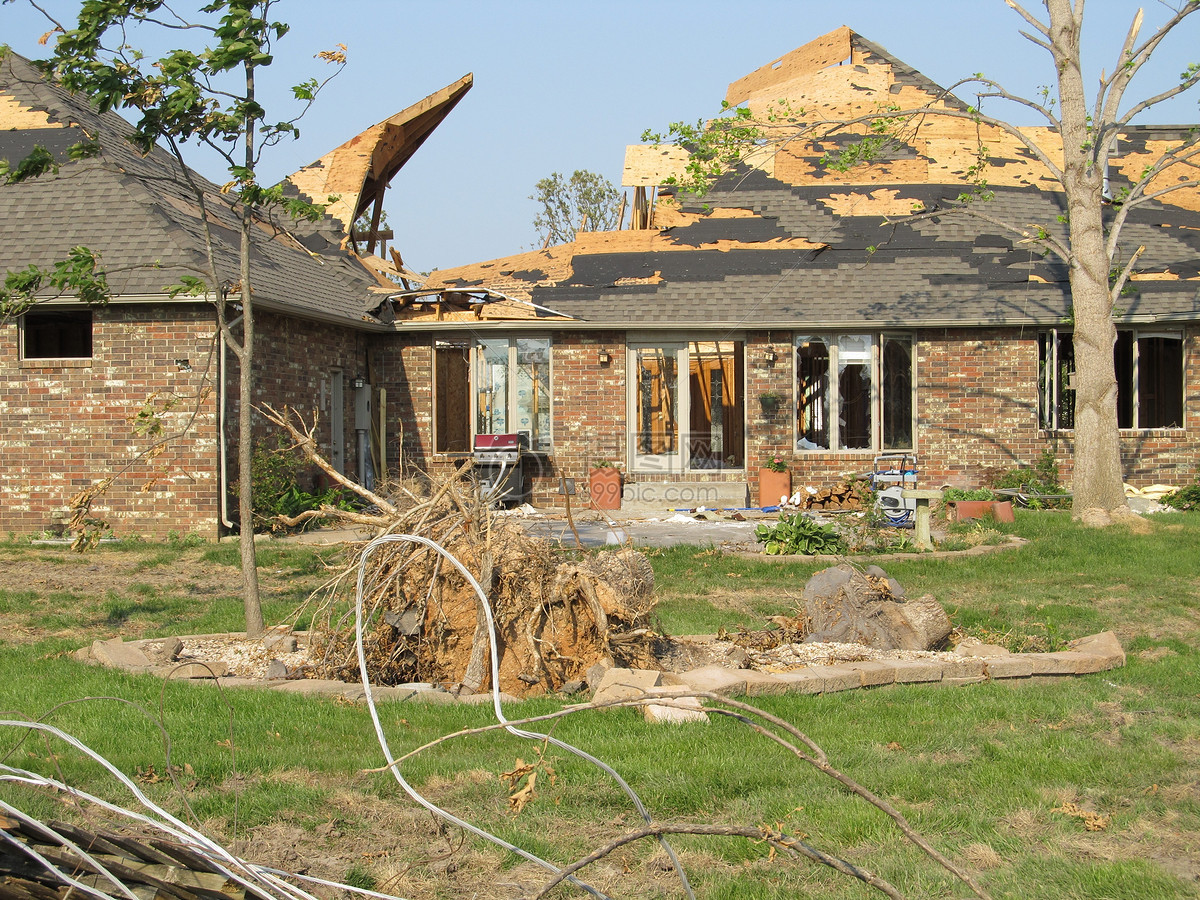
Hurricane Irma was as big as it was powerful. After making landfall in the Florida Keys, Irma continued on a path of destruction across the entire state. Irma left an unprecedented number of Floridians with storm-related residential property damage. This means a lot of you need to know about the Emergency Order issued by Florida’s Insurance Commissioner.

The order was issued on September 13, 2017, but the process began before Hurricane Irma ever made landfall in Florida. On September 4th, Governor Scott declared a state of emergency in every county in the State of Florida. This cleared the way for the Insurance Commissioner to issue an Emergency Order to “protect the public health, safety and welfare of Florida’s policyholders.”

Here is a summary of provisions that may be particularly important for those left with residential property damage as a result of Hurricane Irma.

Cancellation & Non-Renewals

Residential property insurance policies that cover a dwelling or residential property located in the state that was damaged by Hurricane Irma cannot be cancelled or non-renewed until 90 days after the property has been repaired. A structure is deemed to be “repaired” when it is substantially completed and restored to the extent that it is insurable by another authorized insurer that is writing policies in this state.

The Emergency Order also provides that notices of cancellation that were issued or mailed on or after August 25, 2017 through and including September 3, 2017, must be withdrawn and reissued no earlier than October 15, 2017. The premium for the extended period of coverage will be a pro rata portion of the premium for the entire policy term.

Deadline Extensions

If a policy provision, notice, correspondence or law imposes a deadline for policyholders to perform an act or transmit information that falls on or after September 4, 2017, that deadline is extended to December 3, 2017. However, policyholders with Hurricane Irma claims must still provide information and cooperate in the claim adjustment process.

Though no interest, penalties or other charges can accrue or be assessed as the result of the new deadline, this extension does not apply to premiums due in the normal course of business. The extension also does not apply to new policies effective on or after September 10, 2017.

Payment of Claims

Under Florida law, insurance companies need written authorization to pay claims by debit card or other form of electronic transfer. However, if an insurance company verifies the identity of the recipient and does not charge a fee, the written authorization requirement is waived for the duration of the state of emergency. Insurance companies remain liable for payment if funds are misdirected.

Are You Ready for the 2017 Hurricane Season?

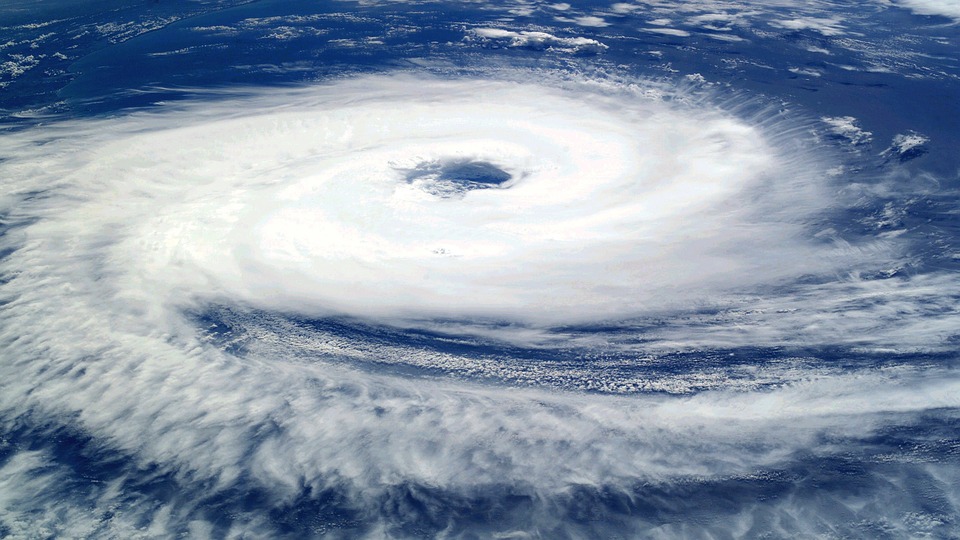
It’s that time of year again. If you live or work in the Atlantic hurricane region, it’s hard to forget that hurricane season officially starts June 1st. The beginning of hurricane season, which runs through November 30th, is not a time for panic. Instead, it’s a time to finalize the plans and protective measures that will be needed if a storm is coming your way.

The National Oceanic and Atmospheric Administration made the following predictions about the 2017 Atlantic Hurricane Season.

  • 45% chance of an above-normal season
  • 35% chance of a near-normal season
  • 20% chance of a below-normal season

NOAA forecasters also predict a 70% likelihood of:

  • 11 – 17 Named Storms (winds of 39 mph or higher)
  • 5 – 9 Hurricanes (winds of 74 mph or higher)
  • 2 – 4 Major Hurricanes (winds of 111 mph or higher)

These predictions include pre-season Tropical Storm Arlene, which formed over the eastern Atlantic in April. An average season produces 12 named storms, six of which become hurricanes, including three major hurricanes.

A strong El Nino and wind shear typically suppress the development of Atlantic hurricanes. Warmer sea surface temperatures tend to fuel hurricanes. However, NOAA is expecting “a weak or non-existent El Nino, near- or above-average sea-surface temperatures…and average or weaker-than-average vertical wind shear.”

Regardless of predictions, it only takes one hurricane making landfall to make it an active season for you. Since it’s better to be safe than sorry, here are a few tips that can help your home and business weather a storm.

Before the Storm

  • Monitor the news to allow time to prepare.
  • Identify tools and equipment that will be needed to secure property before and recover after the storm (flashlights, batteries, caulking, tarpaulins, sandbags, cutting and fastening equipment, etc.).
  • Clear drains and downspouts to minimize the risk of flooding.
  • Unplug electrical equipment and move items inside and away from windows
  • Check and secure all documents and records.
  • Take or update photographs of real and personal property.
  • Gather insurance policies and agent/insurer contact information.

After the Storm

  • Only after it has been declared safe to do so, take reasonably necessary steps to protect against any further property damage.
  • Report fallen power lines to power company immediately—stay away from them!
  • Check exterior walls and roof for damage.
  • Check interior perimeter walls, floors and roof for leaks and water damage.
  • Document all damage with photographs and video.
  • Prepare detailed damage reports.
  • Call your insurance company or agent as soon as possible to report damage.

With over 30 years of experience dealing with tropical storms and hurricanes, we know that taking preventative measures before a hurricane is the most effective way to limit the damage. To help you get started, we created a 2017 Hurricane Season Checklist.

Setnor Byer Insurance & Risk has a long history of helping clients prepare before the storm and, more importantly, recovering after the storm. Our team of experienced and responsive professionals can help protect your personal and business property in the event of a hurricane.

Please contact us if you would like more information about protecting your personal and business property during the 2017 Hurricane Season.

You can receive regular updates about developments that may affect your home or business by subscribing to Setnor Byer Insurance & Risk’s weekly risk management news brief.

Does Homeowners’ Insurance Protect Airbnb and other Home-Sharing Hosts?

Most of us don’t care whether homeowners’ insurance covers claims caused by renters. After all, how many people actually rent their homes to strangers? As it turns out, a lot of people do. Home-sharing services have turned a growing number of ordinary homeowners into part-time innkeepers.

According to the Pew Research Center, 11% of American adults have used online home-sharing services like Airbnb or VRBO. Airbnb boasts of having over 3 million listings worldwide. This means that a lot of people really need to care about whether homeowners’ insurance covers claims caused by renters.

The Risks

Home-sharing is not without risk. For example, host homeowners face an increased exposure to:

  • Personal and structural property damage or loss.
  • Criminal activity, theft and vandalism.
  • Liability to guests for property damage or bodily injury that occurs on the premises.
  • Liability to third-parties for property damage or bodily injury caused by guests.

Standard Homeowners’ Insurance

Standard homeowners’ insurance policies don’t directly address home-sharing because it didn’t exist when these policies were created. Nevertheless, there are a number of long-standing provisions in standard policies that could limit or exclude coverage for the host homeowner.

  • Eligibility. Many policies are restricted to dwellings used exclusively for private residential purposes.
  • Property Coverage: Standard policies generally do not cover the theft of a host’s personal property from areas that are rented to guests. The same is true for a guest’s personal property. They can also limit coverage for appliances, carpeting and household furnishings in areas that are rented to others.
  • Liability Coverage: Standard policies don’t provide liability coverage for business conducted from the home, like renting your home guests.

As you can see, standard policies may not cover a host homeowner’s losses even though home-sharing is not expressly mentioned or excluded. These coverage gaps are common when standard (old) policies are used to insure non-standard (new) activities.

Unfortunately, the insurance industry doesn’t move as fast as the Airbnb’s and Über’s of the world. So, before joining the sharing economy, review your standard insurance policies carefully to identify any potential coverage gaps. If you’re not sure, ask an experienced insurance agent.

Please contact us to learn more about home-sharing host insurance coverage.

To receive regular updates about important insurance developments, subscribe to Setnor Byer Insurance & Risk’s weekly risk management news brief.

Does Homeowners’ Insurance Cover Damage Caused by a Meteorite?

Nearly 95 percent of homeowners have some form of homeowners’ insurance. Most have a basic understanding about their insurance policies. But, a survey by the Insurance Information Institute revealed that many homeowners have significant knowledge gaps about what is and what is not covered by a standard homeowner’s insurance policy. As you might imagine, these gaps can be very costly.

The good news is that according to the survey, a majority of homeowners correctly identified perils that are covered by a standard homeowner’s insurance policy.

  • Fire (91%)
  • Theft (79%)
  • Hail (73%)
  • Burst Pipes (71%)

The not so good news is that many homeowners think other perils are covered even though they aren’t. For example,

  • 43% think damage caused by flooding from heavy rain is covered.
  • 28% think hurricane storm surge flood damage is covered.

Standard homeowners’ insurance does not cover damage caused by flooding from heavy rain or a hurricane-driven storm surge. A separate flood insurance policy is needed to cover this kind of damage. Though flood insurance is available through the National Flood Insurance Program and from some private insurers, the Insurance Information Institute found that only 12% of homeowners carry flood insurance.

Another common misperception involves “earth movement” coverage. According to the survey, many homeowners incorrectly believe the following perils are covered by standard homeowners’ insurance:

  • Sinkhole (31%)
  • Mudslide (24%)
  • Landslide (23%)

Supplementary insurance is often needed to cover these perils. Mudslide damage can be covered by a flood insurance policy, but landslides, sinkholes and earthquakes typically require separate, specialized policies.

The survey also found that many homeowners were not aware of various coverages that are included in a standard policy.

  • 43% didn’t know that theft of possessions from their car may be covered.
  • 54% didn’t know that theft of a camera while vacationing may be covered.
  • 70% didn’t know that theft of a child’s laptop while at school may be covered.
  • 56% didn’t know that damage caused by airplane debris may be covered.
  • 73% didn’t know that damage caused by a meteorite may be covered.

Given the complexities of homeowners’ insurance and the wide range of risks associated with owning a home, homeowners are encouraged to speak with a reputable and experienced insurance agent. Knowledge is the key to protecting your most valuable asset.

Please contact us to learn more about obtaining adequate homeowners’ insurance coverage.

To receive regular updates about developments which may affect you, subscribe to Setnor Byer Insurance & Risk’s weekly risk management news brief.

Save Money on Homeowners’ Insurance with Wind Mitigation Credits

Did you know that 15 to 70 percent of your homeowners’ insurance premium can be attributed to the risk of wind damage? Taking steps to prevent or reduce wind damage is known as wind mitigation. These steps can save your home from catastrophic storm damage. They can also save you money. In some cases, wind mitigation credits can reduce the wind-specific portion of a homeowners’ insurance premium by more than 50 percent.

Insurance companies offer premium discounts for specific structural and nonstructural building techniques that are designed to prevent or lessen the risk of damage caused by high winds. Though each home has unique characteristics, some structural or design elements are riskier than others.

According to Florida’s Division of Emergency Management, the highest risk elements include:

  • Non-wind rated shingle roofs.
  • Gable ends with wide overhangs, poorly attached roof sheathing, or over 6’ high.
  • Big windows (over 5’ wide and over 5’ tall).
  • Small jalousie, awning type and mulled windows.
  • Gable end walls for rooms with cathedral or vaulted ceilings.
  • Garage, double entry, and sliding glass doors.
  • Roofs supported by poorly fastened posts or columns.
  • Attached structures of almost any type.

If your home has high-risk elements, now is a good time to start thinking about wind mitigation. Though storm shutters tend to be the most obvious type of wind mitigation, there are other less visible types that can be equally effective. For example, wind mitigation may involve:

  • Water Barriers. Providing a sealed roof deck if pieces of roof covering (shingles, tiles, etc.) are blown away.
  • Anchoring. Reinforcing foundation-to-wall and wall-to-roof connections (toe nails, metal clips, single and double wraps) to establish a continuous load path. A continuous load path allows your home to resist high-wind forces as a unit. Weak links are generally where damage occurs.
  • Gable Ends. Strengthening connections between the roof and the wall by reinforcing the framing and bracing the top and bottom of the gable. Connections can be weakened by gable ends that bow in and out in strong winds.
  • Doorways. Replacing doors, including garage doors, with hurricane-rated doors. Additional bracing can also be applied to existing garage doors.

The availability of wind mitigation credits depends on various factors, many of which are very specific. For example, credits may be denied if the size, spacing or number of roofing nails fail to meet specific minimum standards. Specific inspection reports may also be required to qualify for wind mitigation credits. Florida, for example, requires the use of a Uniform Mitigation Verification Inspection Form.

Wind mitigation inspections, which typically cost less than $250 and take about an hour, are often done by licensed building inspectors, contractors, architects and engineers. Since state laws and specific insurance company requirements may dictate who is qualified to perform wind mitigation inspections, be sure to confirm licenses and check references before hiring an inspector.

Depending on when your home was built, you may be entitled to some wind mitigation credits even without an inspection! If you’re looking for a way to save money on homeowners’ insurance, please contact us to discuss premium discounts and wind mitigation credits.

To receive regular updates about developments which may affect you, subscribe to Setnor Byer Insurance &Risk’s weekly risk management news brief.

Want to Get Away This Summer? Your Local Burglars Hope You Will

Are you planning a summer getaway? The American Automobile Association reports that over half of U.S. drivers are planning a road trip this summer. With over 650 million long distance trips made each year between Memorial and Labor Day, many of us are looking forward to some much needed time away. Unfortunately, so are robbers and thieves.

According to the Department of Justice, rates of household larceny and burglary are highest during the summer. To avoid becoming a statistic, summer vacation preparations must include preventative measures to protect your home. Here are some simple and effective ways to secure your home while you are away, many of which take only minutes to complete.

  1. Lock and secure all doors and windows. Deadbolt locks make it harder and more time-consuming for someone to break in. Doors with glass panels should be secured with a deadbolt lock that can only be opened with a key from the inside.
  2. Place a pipe or piece of wood in the tracks of sliding glass doors.
  3. Unplug automatic garage door openers.
  4. Ask the post office to hold your mail or have a friend or neighbor pick it up everyday.
  5. Use automatic timers to turn lights, TVs and radios on and off at appropriate times of the day. Lights that are always off (or on) make it obvious that no one is home.
  6. Hire a landscaper to tend to the lawn while you are away.
  7. Have a trusted neighbor park in front of you house.
  8. ‘Case’ your home from the street like a potential burglar might to identify potential weaknesses and to make sure valuables are not plainly visible.
  9. Let trusted neighbors know that you will be away and ask them to keep an eye out for any suspicious activity.
  10. Remove the spare key you have hidden outside your home.
  11. Depending on the size of your city or town, consider notifying the police if you’re going to be gone for longer than a week.
  12. Turn off and disconnect your computer from the Internet. In case your computer gets stolen, use security features to make it difficult for thieves to access any personal or sensitive data stored on the device.
  13. Lock away (or at least hide) valuables .
  14. Have someone pick up the newspaper or any other items delivered to your house.
  15. Have someone put trash containers out for pick-up and bring them back again.
  16. Activate your home security system. Make sure the alarm is functioning and that authorities are immediately notified if someone breaks in.
  17. Bring valuable outdoor items indoors.
  18. Lock and secure cars, recreational vehicles and boats.
  19. Tell only people you trust that you are going away.
  20. Think twice before posting vacation pictures on Facebook, Twitter or other social media sites.

Vacations are supposed to be fun, relaxing and carefree, which is why we spend so much time preparing for our time away from home. Since all vacations must end, time should also be spent preparing for our return home. After all, nothing erases pleasant vacation memories faster than returning to a burglarized home.

Please contact us to discuss whether your insurance can protect you while you are away.

To receive regular updates about developments which may affect your business, subscribe to Setnor Byer Insurance &Risk’s weekly risk management news brief.

Hey, Your Dog Bit Me! Understanding Liability and Insurance Coverage for Dog-Bite Claims

Did you know that nearly 78 million dogs live in more than 54 million U.S. households? According to the Centers for Disease Control and Prevention, there are approximately 4.5 million dog bites every year, nearly 20 percent of which require medical attention. Being that it’s almost National Dog Bite Prevention Week (the 3rd full week of May), now’s a good time to take a closer look at the potentially significant liability created by dogs.

( Obviously, we’re talking about other people’s dogs, not yours. You’re a good dog, aren’t you? Yes, you are!)

According to the Insurance Information Institute, in 2015:

  • More than one-third of every dollar paid for homeowners’ liability insurance claims were for dog bites and dog-related injuries, such as dogs knocking down children, cyclists, the elderly, etc.
  • The nationwide average cost per dog-bite claim increased 16 percent to $37,214, even though the number of claims decreased 7.2 percent.
  • California had the most dog-bite claims (1,684).
  • Arizona had the highest cost per claim ($56,654).

As a general rule, owners may be held liable for injuries caused by their dogs. However, specific dog-bite liability laws can vary significantly from state to state. They can even vary by city and county within a state. Nevertheless, these laws usually fall into one of three categories:

  • One-Bite Laws adopt a negligence approach by imposing liability on owners who knew or should have known about their dog’s dangerous or vicious propensities based on prior behavior.
  • Strict Liability Laws impose liability regardless of what the owner knew or should have known. The first bite isn’t free.
  • Mixed Laws impose liability using a combination of negligence and strict liability, depending on the circumstances. In Florida, for example, owners are strictly liable, but damages may be reduced if the person who was bitten carelessly or mischievously provoked the dog. In some cases, a Florida owner may avoid liability by posting a “Bad Dog” sign on the premises.

Regardless of which kind of law may apply, homeowners are likely to be held liable or at least get sued for damages if someone is bitten by their dog. Given the high costs of defending and paying dog-bite liability claims, homeowners are increasingly relying on their homeowners’ or renters’ insurance for protection. Of course, that’s assuming their policy covers dog-bite claims. Not all do.

Dog-bite claims are typically covered under standard homeowners’ insurance policies. However, insurers are increasingly taking steps to limit their exposure to dog-bite claims. Some insurance companies are asking about and excluding coverage for specific breeds that are considered too aggressive. Others are excluding coverage altogether. Upon discovering that a dog has already bitten someone, insurance companies may increase the premium, exclude the dog from coverage under the policy or refuse to renew the policy.

Dog-bite claims can create potentially significant liability, so owners need to know whether they have coverage under their homeowners’ policy, preferably before someone is bitten. Check your policy to see if dog-bite (animal) claims are covered. If not, other options should be considered. Insurance options, that is. We know getting rid of the dog isn’t an option for most dog owners.

Please contact us if you have any questions or would like to explore coverage options for dog-bite claims.

To receive regular updates about developments which may affect your business, subscribe to Setnor Byer Insurance &Risk’s weekly risk management news brief.

Can You Save Money by Customizing Your Homeowners’ Insurance Coverage?

Many believe that expensive homeowners’ insurance is just the reality of living the American Dream. But, there are ways to lower your premium. This year, instead of (only) cringing and cursing about the cost of renewing your homeowners’ insurance, find out if any of these tips can reduce your policy premium.

Increase Your Deductible: The deductible is the amount you have to pay before the insurance company starts paying a claim. As a general rule, policies with higher deductibles have noticeably lower premiums. Also, find out if a hurricane-only deductible can be expanded to an all-wind deductible, which can produce policy credits and lower premium.

Bundle Policies: Some insurers offer substantial multi-policy discounts. Consider buying your homeowners’, automobile and umbrella policies from the same insurance company.

Eliminate Unnecessary Coverages: Homeowners’ policies often include coverages or limits that may be unnecessary or excessive. For example, Coverage B (Other Structures) under a standard homeowners’ policy generally covers structures that are not attached to the home, like sheds, detached garages, gazebos and pools. Homeowners with inexpensive or nonexistent ‘other structures’ may be able to lower their premium by removing or reducing this coverage.

Discuss Ordinance and Law coverage and other ‘Bells & Whistles’ endorsements. Weigh the benefits against costs. Consider how you want personal property (content) claims to be settled. Do you need replacement cost or can you settle for depreciated actual value?

Think Twice Before Filing a Claim. Gone are the days when homeowners’ insurance was used for every conceivable claim. Since filing a claim can lead to higher premiums, it may be cheaper to pay minor claims and claims that are clearly not covered out of your own pocket. If you’re not sure whether to file a claim, ask your agent.

Assess Your Personal Property. Make sure your personal property values are in line with the automatic coverage provided in most policies. Oftentimes, an accurate valuation reveals that coverage limits are significantly higher than necessary.

Your Home More Disaster Resistant: Insurance companies typically provide premium credits and discounts for improvements that increase the structural security of your home, like adding storm shutters or reinforcing the roof.

Improve Home Security: Discounts are often available for various safety and security features, many of which are relatively inexpensive, such as smoke and carbon monoxide (CO) detectors, burglar alarms and deadbolt locks. Bigger discounts may also be available for more advanced security devices, like sprinkler systems and monitored fire and burglar alarms.

Eliminate Recreational Safety Hazards: Did you know that in 2014 there were nearly 105,000 hospital emergency room-treated injuries associated with trampolines? Your insurance company did. Getting rid of recreational items like trampolines, tree houses and jungle gyms may lower your premium.

Maintain a Good Credit Rating: Insurers are increasingly using credit information to price homeowners’ insurance policies and charging higher premiums to those with lower credit scores. It’s a good idea to review your credit reports regularly and promptly correct any errors.

Work with an Independent Insurance Agent: Shopping around may be a good way to save money, but it can be time consuming and frustrating. Since independent insurance agents have access to multiple insurance companies, they can do the shopping around for you. Reputable independent agents are also more likely to know about special rates and discounts that may be available.

There are a number of other ways to reduce your premium, but options may be limited by market conditions or individual circumstances. Nevertheless, you should at least consider all the alternatives before renewing your homeowners’ insurance policy.

If you have any questions or would like to learn more about premium discounts that may be available, please contact us.

If you’d like to subscribe to our weekly newsletters, please click here.

Homeowners’ Insurance Claims: By the Numbers

Homeowners insurance is designed to protect against losses to your home and its contents, as well as liability for accidents that may occur on the property. Since the United States homeownership rate is nearly 65%, homeowners’ insurance is an important topic for many of us. To get a better understanding about the nature of homeowners’ losses and insurance claims, let’s take a look at some research compiled by the Insurance Information Institute.

  • Approximately 1 in 15 insured homes have a claim each year.
  • Wind and hail claims, which are experienced by approximately 1 in 30 insured homes each year, are the most frequent.
  • Claims related to fire, lightning or debris removal, which are experienced by approximately 1 in 230 insured homes every year, are the costliest.
  • Approximately 1 in 55 insured homes have a damage claim caused by water or freezing each year.
  • Approximately 1 in 190 insured homes have a theft claim each year.
  • Approximately 1 in 830 homeowners have a liability claim related to the cost of lawsuits for the bodily injury or property damage of others.

Loss Claims

Loss claims can be calculated in terms of frequency and severity. Claims frequency is the average number of claims filed per 100 policies. According to the Insurance Services Office (ISO), the most frequent homeowners’ loss claims are:

  • Wind and hail (3.37)
  • Water damage and freezing (1.79)
  • All other property damage (1.04)
  • Theft (.52)
  • Fire, lightning and debris removal (.43)
  • Bodily injury and property damage (.12)

Claims severity is the average amount paid for each claim. According to ISO, the most severe homeowners’ loss claims are:

  • Fire, lightning and debris removal ($34,306)
  • Bodily injury and property damage ($18,804)
  • Wind and hail ($7,307)
  • Water damage and freezing ($7,195)
  • All other property damage ($4,684)
  • Theft ($3,428)

Content Claims

The Content Claims Index shows the top contents categories of homeowners’ claims filed with approximately 300 insurers. The top categories, ranked by dollar value as a percent of total claims, include:

  • Jewelry (16%)
  • Electronics (13%)
  • Apparel (13%)
  • Furniture (10%)
  • Tools (5%)
  • Appliances (4%)
  • Sporting goods (3%)

Injury Claims

According to the National Safety Council (NSC), injuries requiring medical attention occur more often at home than in public places, in the workplace and motor vehicle incidents combined. In 2012, one in 16 people experienced an unintentional injury in the home that required medical attention. The NSC identified the following causes of the 63,000 deaths from unintentional home injuries in 2012:

  • Poisoning (50.5%)
  • Falls (28.1%)
  • Other (12.1%)
  • Fire, flames or smoke (4.1%)
  • Choking (3.7%)
  • Drowning (1.6%)

In addition to showing how claims happen, these statistics show that claims are likely to happen. Adequate homeowners’ or renters’ insurance is the key to recovering after a claim. An experienced and reputable independent insurance agent can help you identify those risks associated with your home and obtain the right insurance coverage to protect it.

If you have any questions or would like to see how Setnor Byer Insurance & Risk can help protect your home, please contact us.

Shopping for Homeowners Insurance Video from Tower Hill® Insurance

For most people, their biggest purchase is their home. Following the four must-dos for shopping for homeowners insurance can help you find the best value and the best protection for your home:

  • Get advice from a professional agent who will take the time to guide you through the selection process
  • Shorten your list to the best companies, those with a great reputation for financial strength, claims handling, and customer service.
  • Compare multiple quotes for similar coverages, and ask your agent to explain any differences in coverages.
  • Tailor your policy to your wants and needs, as well as your tolerance for risk. Make sure price is not the primary factor.

The video below does a great job discussing these items in further detail.

https://youtu.be/us4P2QNnI70

If you would like to learn more about this coverage please contact us.