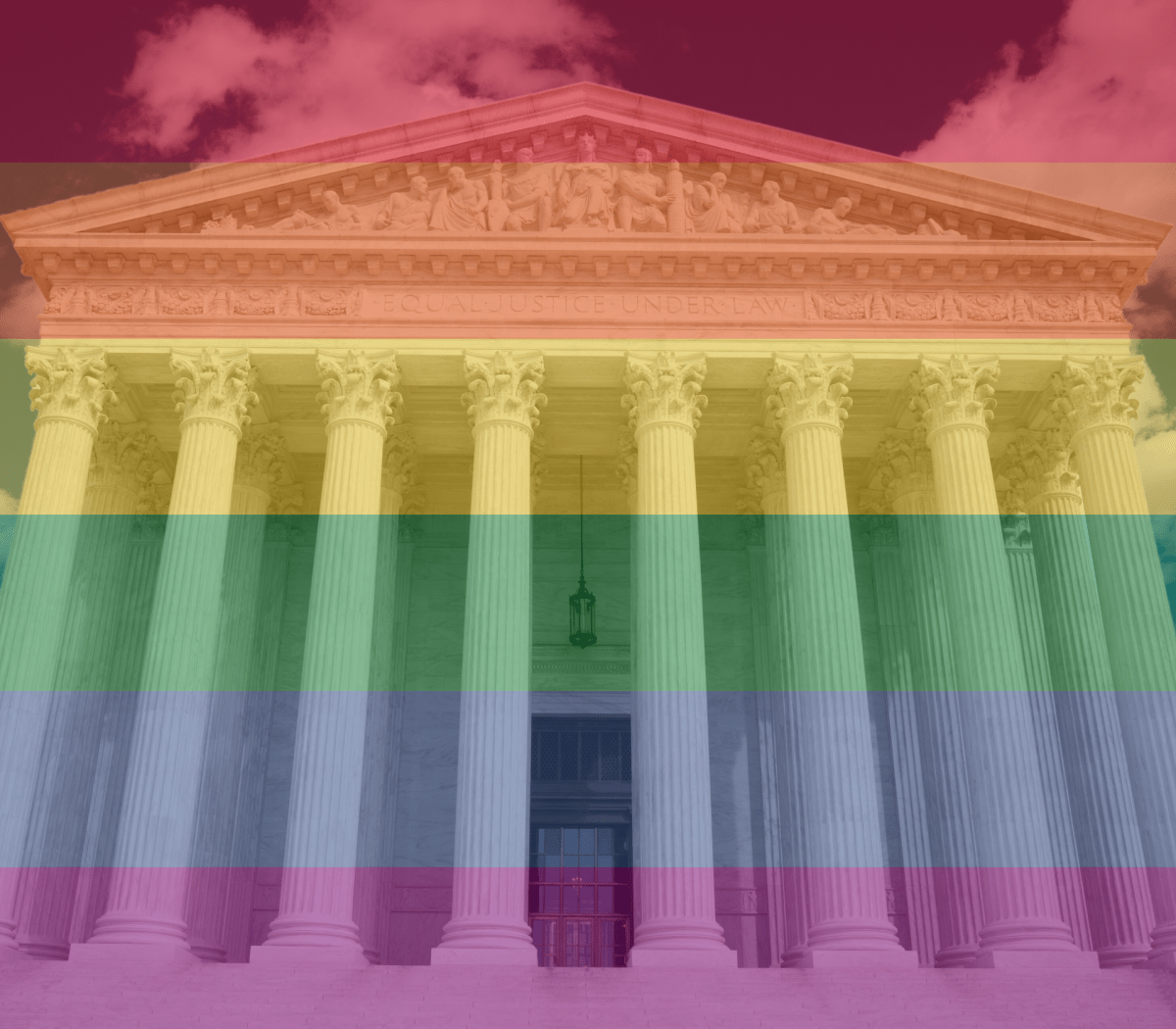
The Supreme Court’s landmark decision in Bostock v. Clayton County is significant yet simple. “An employer who fires an individual merely for being gay or transgender defies the law.” Discrimination on the basis of an individual’s sexual orientation or gender identity (transgender status) is now considered an unlawful employment practice under Title VII of the Civil Rights Act. As of June 15, 2020, millions of LGBT workers may raise Title VII’s broad shield to resist unlawful workplace harassment and discrimination. They may also unsheathe its broad sword.
Bostock has immediate consequences for all employers subject to Title VII, including those in states that already prohibit LGBT harassment and discrimination. Bostock must be integrated into the workplace culture and reflected in workplace practices, policies and procedures. Employers must take action to ensure (or confirm) compliance with the Court’s decision.
Identify all employment-related documentation that involves “sex” or gender-based characterizations. Employee handbooks and existing harassment and discrimination policies are a good place to start, but employers must go beyond the obvious. Sex and gender-based characterizations can be found in other documents too, like dress code policies, job applications and benefits enrollment forms.
Update relevant documentation to include sexual orientation and gender identity (transgender status) among the list of protected categories. Some documents may require little more than adding sexual orientation and gender identity (transgender status) wherever the word “sex” appears. Others may require more extensive revisions.
Update equal employment opportunity (EEO) statements to include sexual orientation and gender identity (transgender status) among the list of protected categories. EEO statements are often posted on websites and included in job postings and marketing materials. They can also appear in non-employment related contexts as well, such as bids for contracts and project proposals.
Communicate policy changes to employees. Don’t assume employees know about the Supreme Court’s ruling or the resulting change in the law. Updated policies should be distributed to and acknowledged by all employees.
Train managers and supervisors. Don’t assume managers and supervisors grasp the dynamics of LGBT harassment and discrimination. Those in positions of authority must be trained to understand, recognize and address these new forms of unlawful conduct.
Train employees. Rules cannot be followed unless they are known. Rank and file employees need updated harassment and discrimination training to help them understand expectations and conduct themselves accordingly.
Claims of unlawful conduct often increase when laws change. Bostock’s limits will likely be tested for years to come. In addition to taking necessary remedial measures, employers should carry Employment Practices Liability Insurance to protect against the uncertainty that typically follows landmark decisions like Bostock. Please contact us if you would like to learn more about employment practices liability insurance.

 Setnor Byer Insurance & Risk